Why does this project matter?
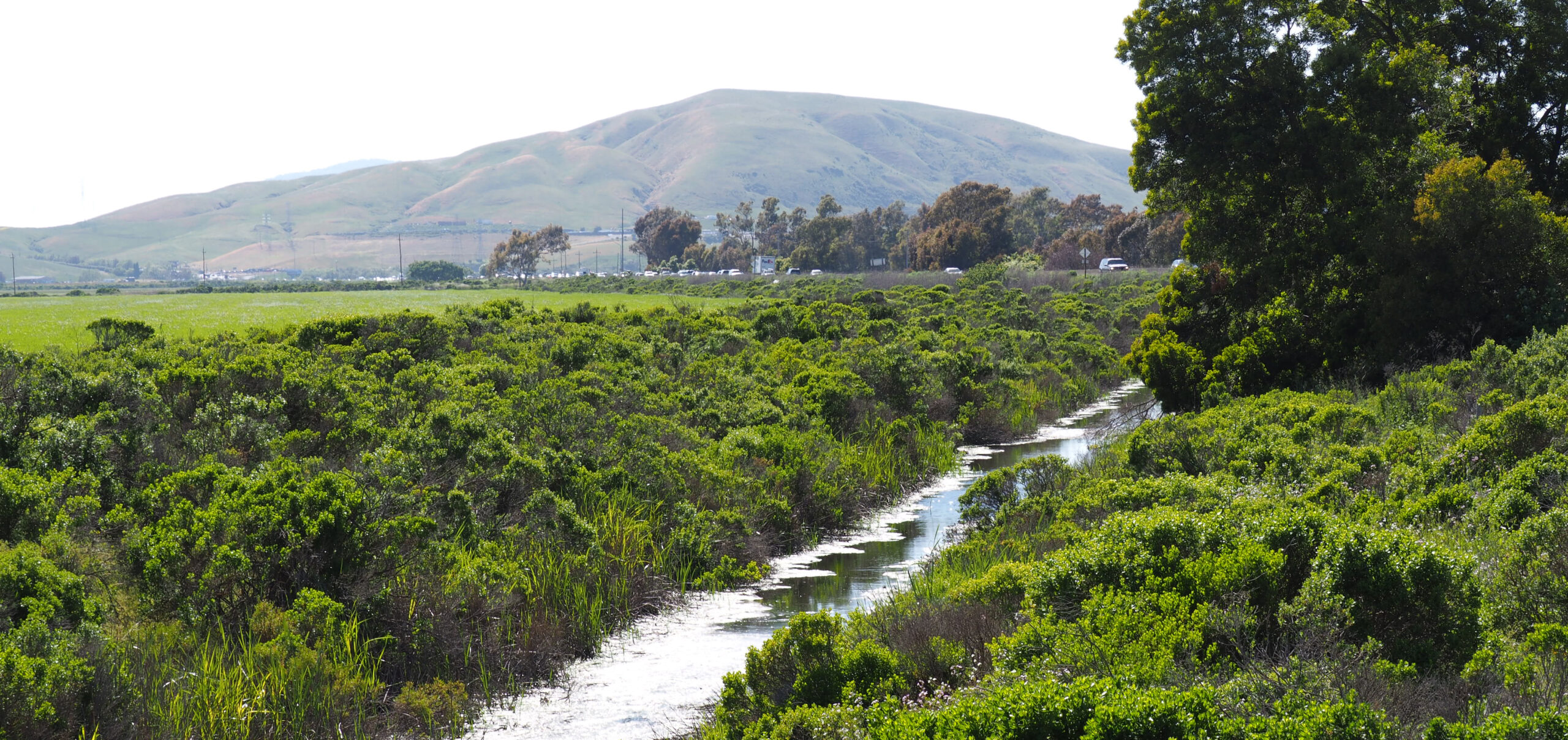
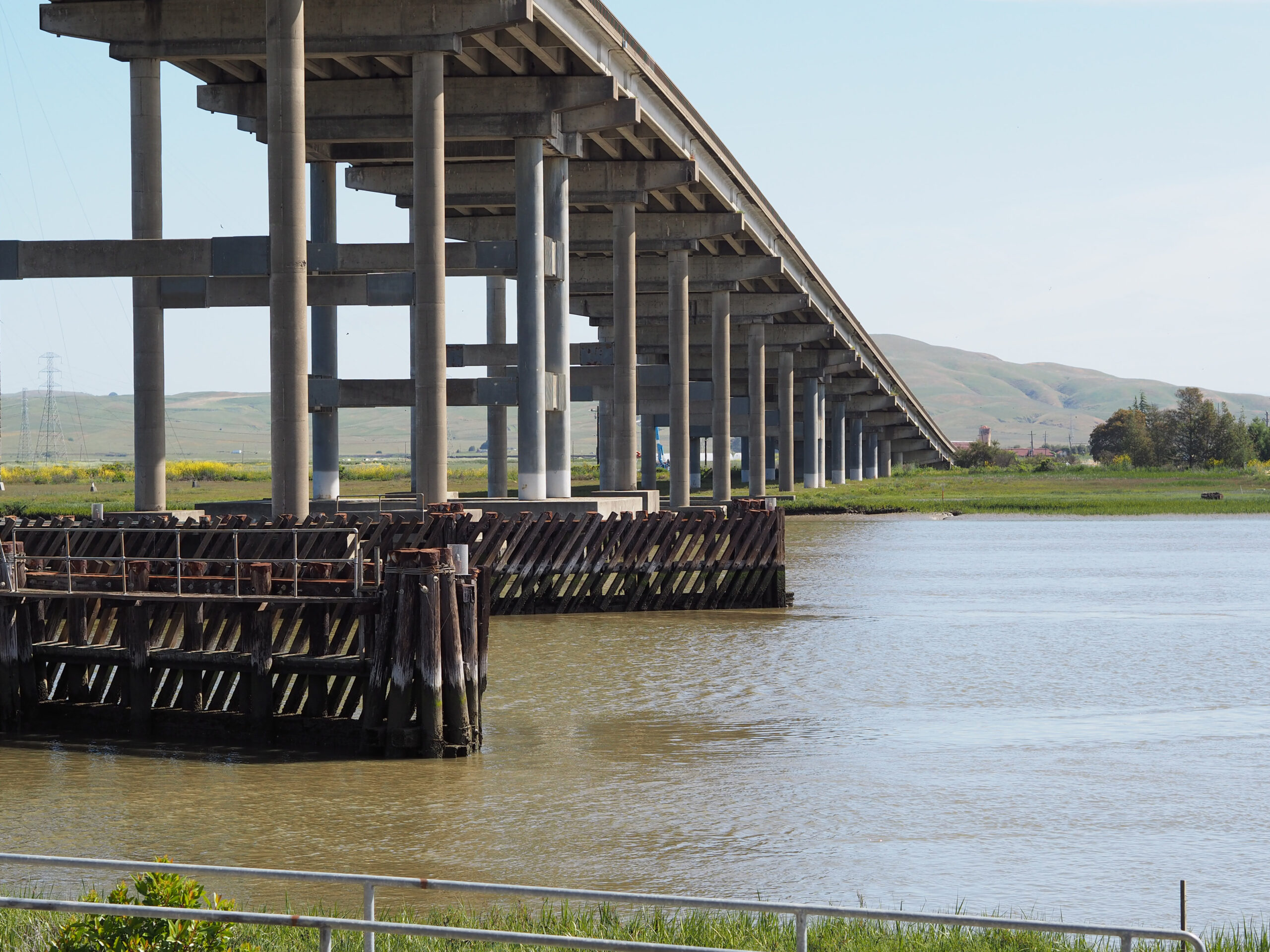
This project developed a comprehensive plan to protect and restore tidal marsh, freshwater marsh, and upland areas that provide critical wildlife habitat. The plan identifies actions for conserving land, adapting to sea level rise and climate change, restoring historic habitats, improving habitat connectivity, establishing partnerships, identifying and addressing data gaps, and more. The RCIS is designed to help local governments, conservation organizations, and land managers more strategically plan and fund projects with ecosystem benefits.
What is ESA doing to help?
ESA in partnership with the Metropolitan Transportation Commission (MTC), Caltrans, San Francisco Estuary Partnership, and Sonoma County Transportation Authority to develop the Regional Conservation Investment Strategy (RCIS) for the San Pablo Bay (North Bay) Baylands Region. ESA served as the prime consultant for this project, providing overall strategic direction, ecological technical studies, document preparation, and public engagement. ESA also assisted the project team in getting the RCIS approved by the California Department of Fish and Wildlife in May 2024. Now approved, the RCIS can be used to support planning efforts, funding applications, and Mitigation Credit Agreements, a new tool advance mitigation.