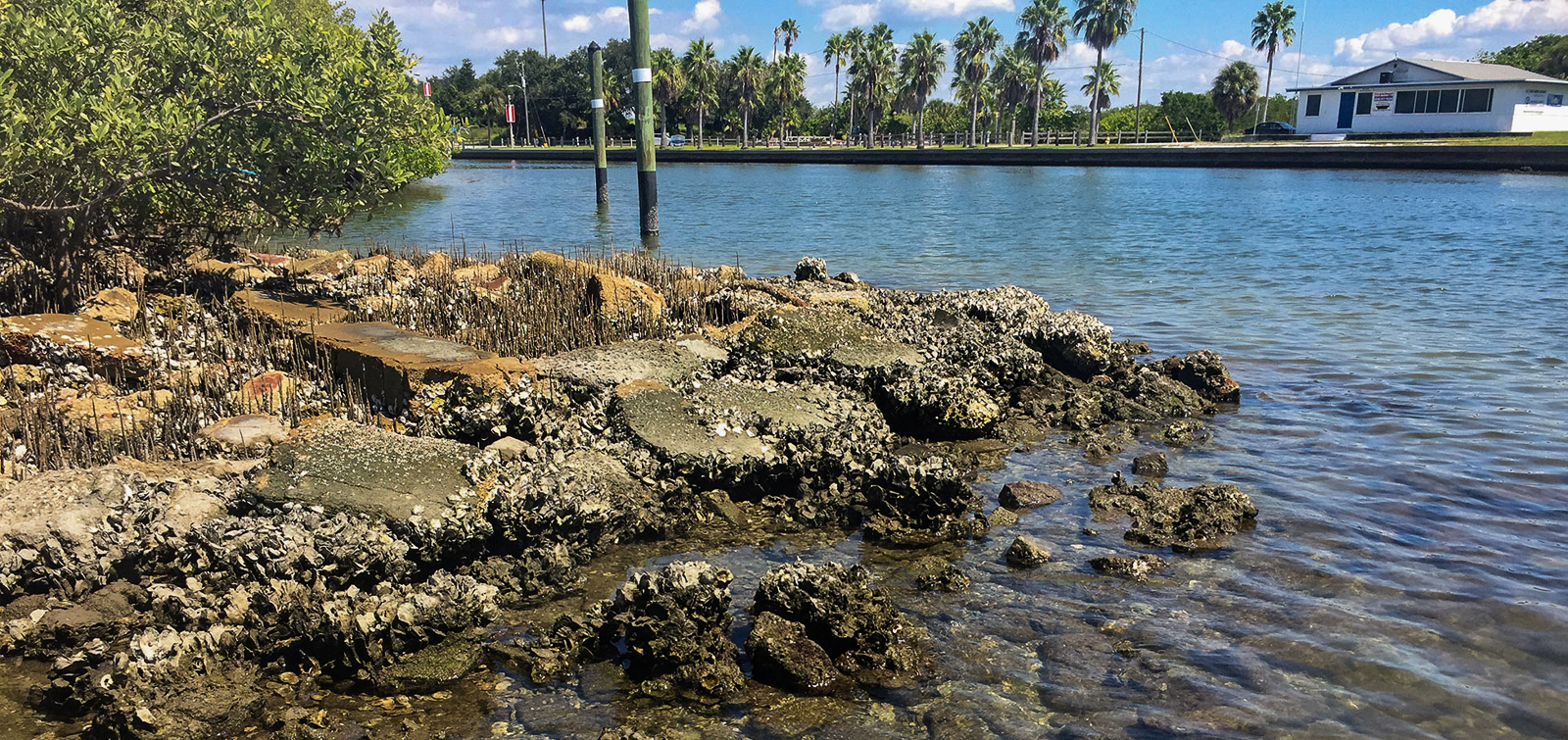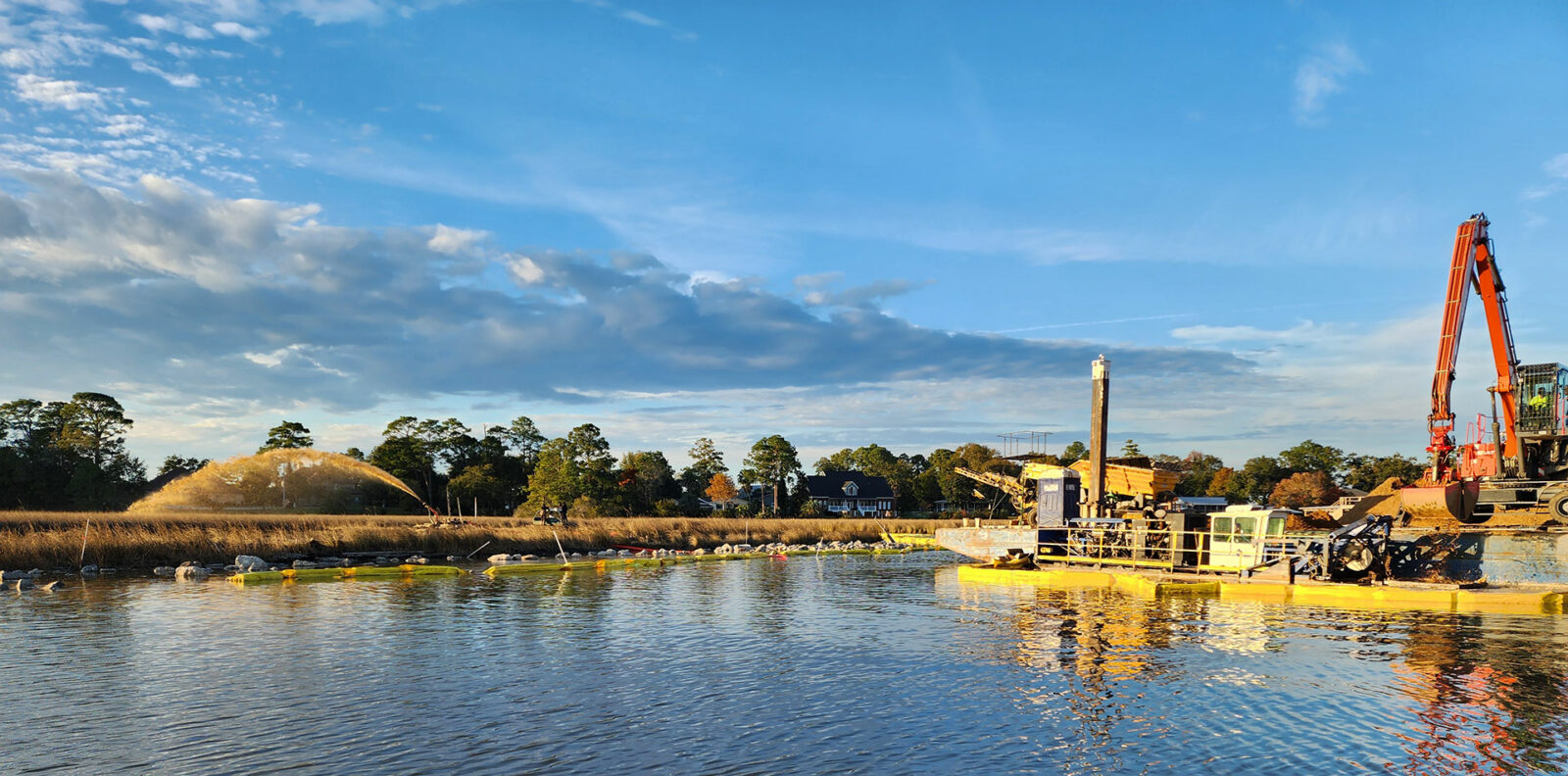

Florida’s coastal resiliency bill, Senate Bill 302 (SB302), aims to stimulate nature-based solutions to help fortify and rebuild state shorelines threatened by recurring storm events, flooding, and erosion. Implementation of green infrastructure like mangrove forests, coastal dunes, and oyster reefs can help protect coastlines more effectively and longer than human-made structures, as well as reduce infrastructure costs over the long term. With this wave of green infrastructure hitting the mainstream in development and resilience projects, Florida coastal developers can expect to feel the shift in both project approach and permitting.
What is SB302?
SB302, signed into law by Governor DeSantis in March 2026, becomes effective in July 2026 after receiving broad bipartisan support from the Florida legislature. With the goals of protecting sensitive ecosystems and shifting the state to leverage and implement nature-based approaches to coastal protection and resilience, the bill directs Florida’s Department of Environmental Protection to develop new guidance and standards for resilience projects, update the permitting process, and promote and educate the public on the benefits of nature-based solutions for coastal resiliency.
What to Expect
As the new standard for coastal projects in Florida shifts, nature-based solutions to shoreline erosion, sea-level changes, and other adverse effects of severe weather events will become standard practice. Increased demand for living shorelines, restoration of wetlands and mangrove forests, and innovative hybrid systems that combine green and gray infrastructure will affect the types of projects that move forward.
Similarly, the permitting landscape will shift. SB302 aims to streamline the permitting of nature-based projects in response to the slow and unpredictable approval process that has been common for this type of infrastructure in the past. In short, the bill establishes a framework for more effective planning, evaluation, approval, and implementation of a suite of ecosystem-based approaches to protect Florida’s coastal communities and environments.
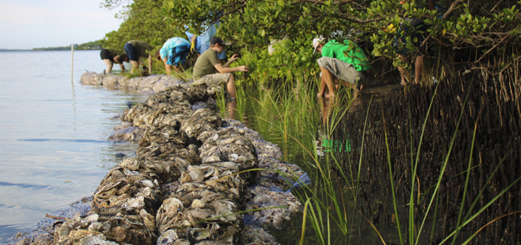
Engineering with Nature in Pinellas County
ESA continues to support Pinellas County’s Environmental Management and Stormwater programs with watershed management planning, green infrastructure stormwater improvements, shoreline restoration, hydrologic and hydraulic data review, resource mapping, and regulatory permitting.
Our team of coastal engineers has designed and permitted four living shoreline projects: Ozona Park Seawall Enhancement, Crystal Beach Living Shoreline, and the Living Shoreline and Seawall Enhancement Demonstration at Phillippe Park. They are currently working on a 5th design at the popular Fort De Soto Park.
Beyond design and permitting, ESA has helped secure grant funding to implement nature-based shoreline and stormwater solutions.
How ESA Can Help
This shifting approach doesn’t need to change the goals of existing or future projects. Nature-based solutions are proven to be just as—if not more—effective than gray infrastructure approaches and can cut costs in the long term when applied and implemented correctly.
ESA’s team of coastal engineers, resilience planners, and regulatory experts are strategic partners in this space, and can answer any questions you have about incorporating nature-based design solutions. With more than 25 years of demonstrated success with nature-based approaches on resilience projects across the country and a team of nature-based design experts, we are well-equipped for the shift in state priorities. Reach out to Chris Warn or Tara Brenner to learn more on how ESA can partner with you on these types of projects.