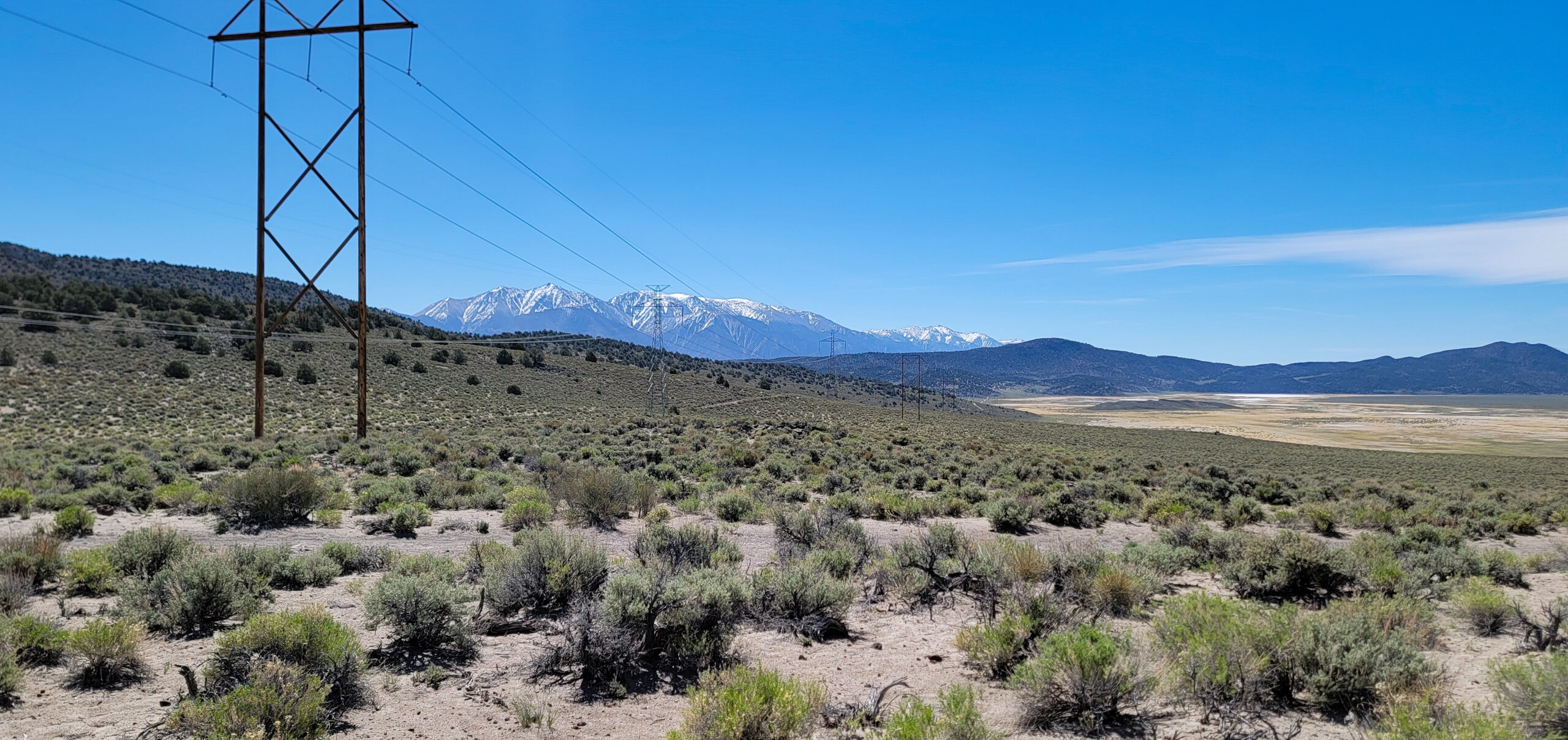
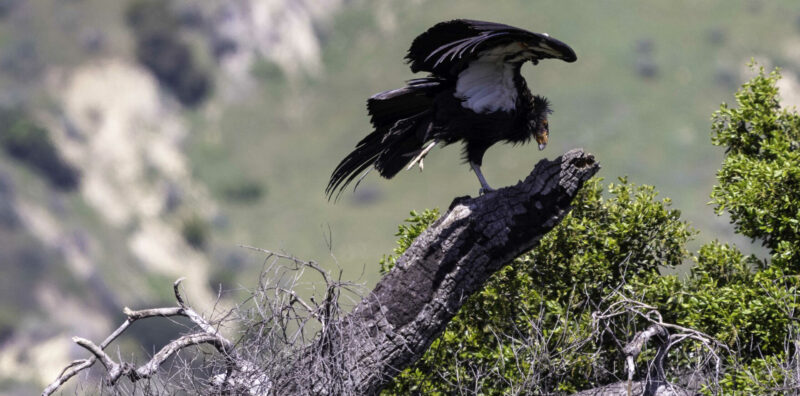
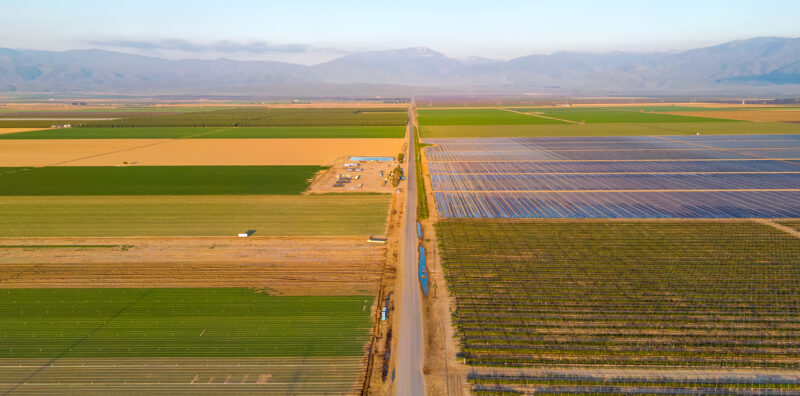
Spanning 214 miles from Fallon, Nevada to Bishop, California, the Dixie Valley Generator Interconnection Line is an underutilized transmission line that can potentially deliver 300 – 400 megawatts of geothermal-powered electricity to Southern California.
Why does this project matter?
The 230kV transmission line, which was previously owned and operated by the Oxbow Geothermal Corporation, was acquired by Ormat in 2021 as the energy provider works to expand geothermal operations in Nevada and California. Ormat currently has a power purchase agreement with Southern California Edison through 2038 and aims to enhance the transmission line’s electricity capability, allowing for more clean energy to be delivered to the communities within the Southern California Edison territory. The project is a critical component of the utility’s plan to reach net zero and support California’s climate goals.
What is ESA doing to help?
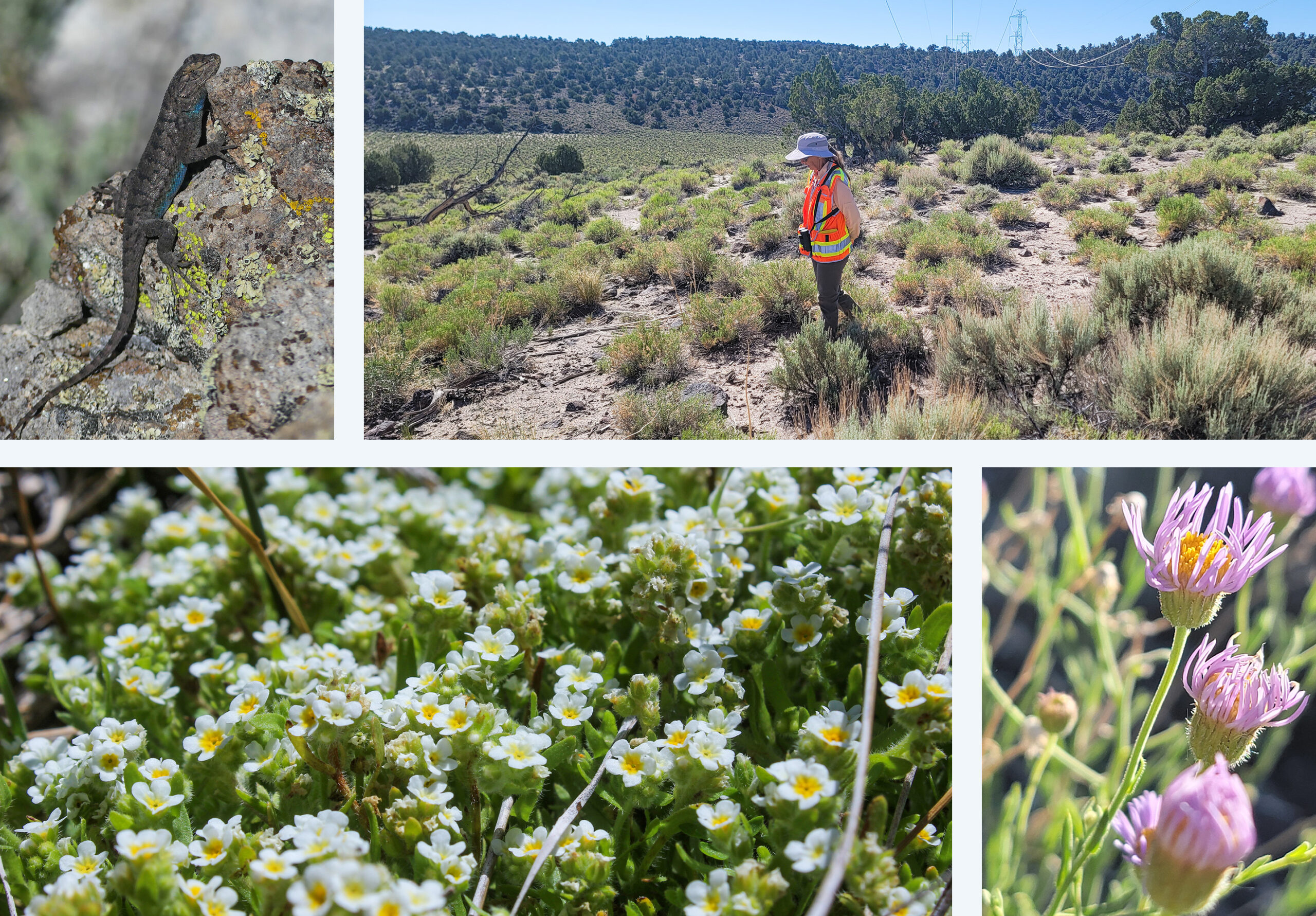
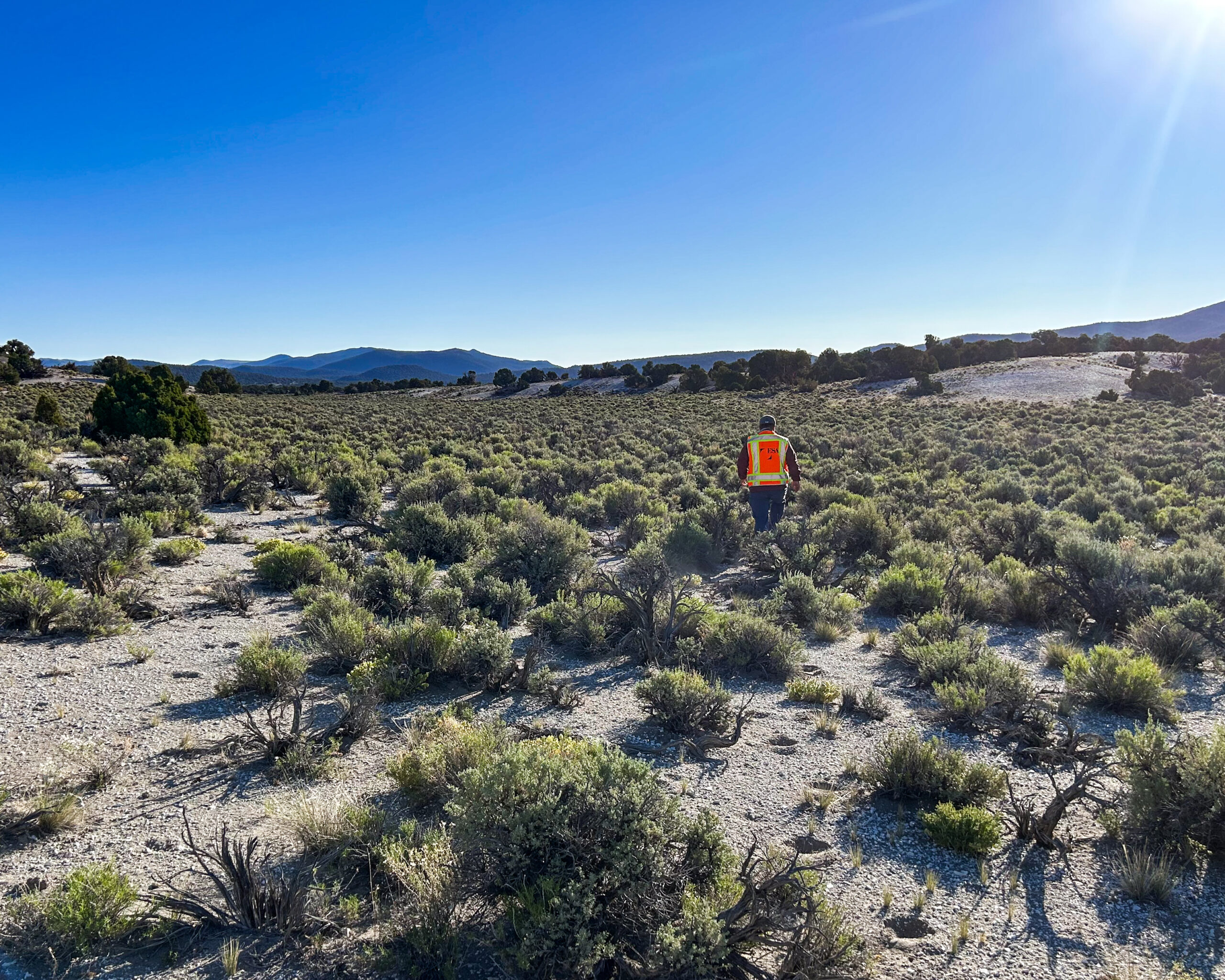
As special-status species may have the potential to occur within the transmission line’s right-of-way within the Inyo National Forest and Humboldt-Toiyabe National Forest, ESA is providing biological resources support to Ormat. Biologists are conducting biological resources literature review, leading on-the-ground botanical and wildlife habitat suitability surveys for federally-and/or State-listed species such as Hall’s meadow hawksbeard (Crepis runcinata spp. hallii), silver bladderpod (Physaria ludoviciana), and many flowered thelypodium (Thelypodium millefolium), and preparing required Biological Evaluation and Wildlife Specialist Reports for each national forest.
Clockwise, from left, Western Fence Lizard (Sceloporus occidentalis), an ESA botanist conducts rare plant surveys within the Inyo National Forest, Brewer’s fleabane (Erigeron brewerii), and Parish’s popcornflower (Plagiobothrys parishii), a critically imperiled and CNPS 1B.1 rare plant species found in wet, alkaline soils.
ESA is also preparing a habitat assessment for the portion of the transmission line in California that extends through BLM land, with a focus on pygmy rabbit (Sylvilagus idahoensis) and bi-state greater sage-grouse (Centrocercus urophasianus). This work will determine the potential presence of special-status species in the transmission line’s right-of-way and guide decisions regarding operations and maintenance, ensuring compliance with federal environmental regulations and the required authorization for the transmission line’s continued operation and maintenance through federal lands.
We use cookies to improve your experience on our site and to show you personalized content. By accepting cookies, you agree to our use of cookies as described in our Privacy Policy.
Functional
Always active
The technical storage or access is strictly necessary for the legitimate purpose of enabling the use of a specific service explicitly requested by the subscriber or user, or for the sole purpose of carrying out the transmission of a communication over an electronic communications network.
Preferences
The technical storage or access is necessary for the legitimate purpose of storing preferences that are not requested by the subscriber or user.
Statistics
The technical storage or access that is used exclusively for statistical purposes.The technical storage or access that is used exclusively for anonymous statistical purposes. Without a subpoena, voluntary compliance on the part of your Internet Service Provider, or additional records from a third party, information stored or retrieved for this purpose alone cannot usually be used to identify you.
Marketing
The technical storage or access is required to create user profiles to send advertising, or to track the user on a website or across several websites for similar marketing purposes.