
| Update—October 12, 2026: Governor Gavin Newsom signed AB 2051 into law on September 27, establishing a process for California agencies and stakeholders to develop recommendations for improving coastal resilience permitting. Read our update on what happens next. |
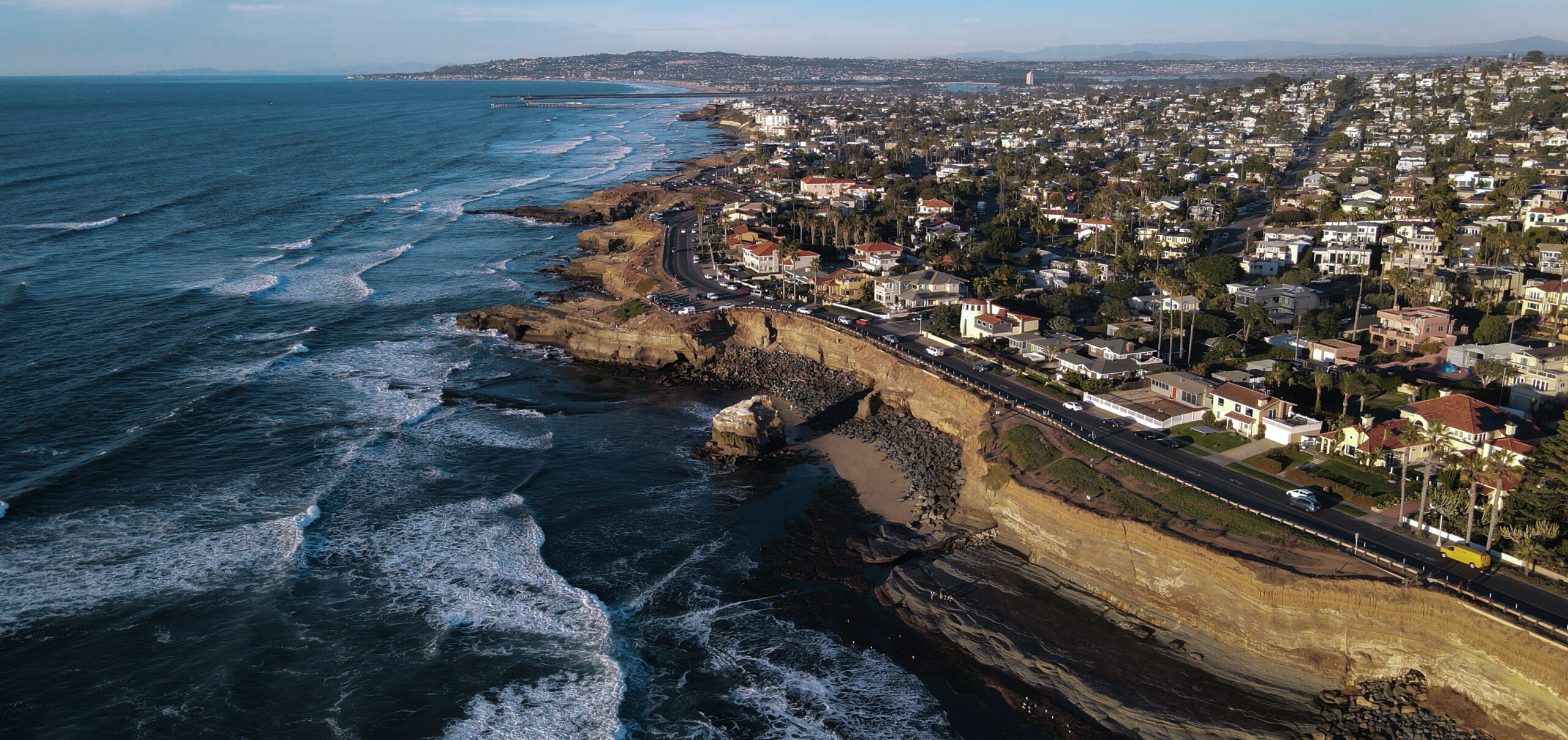
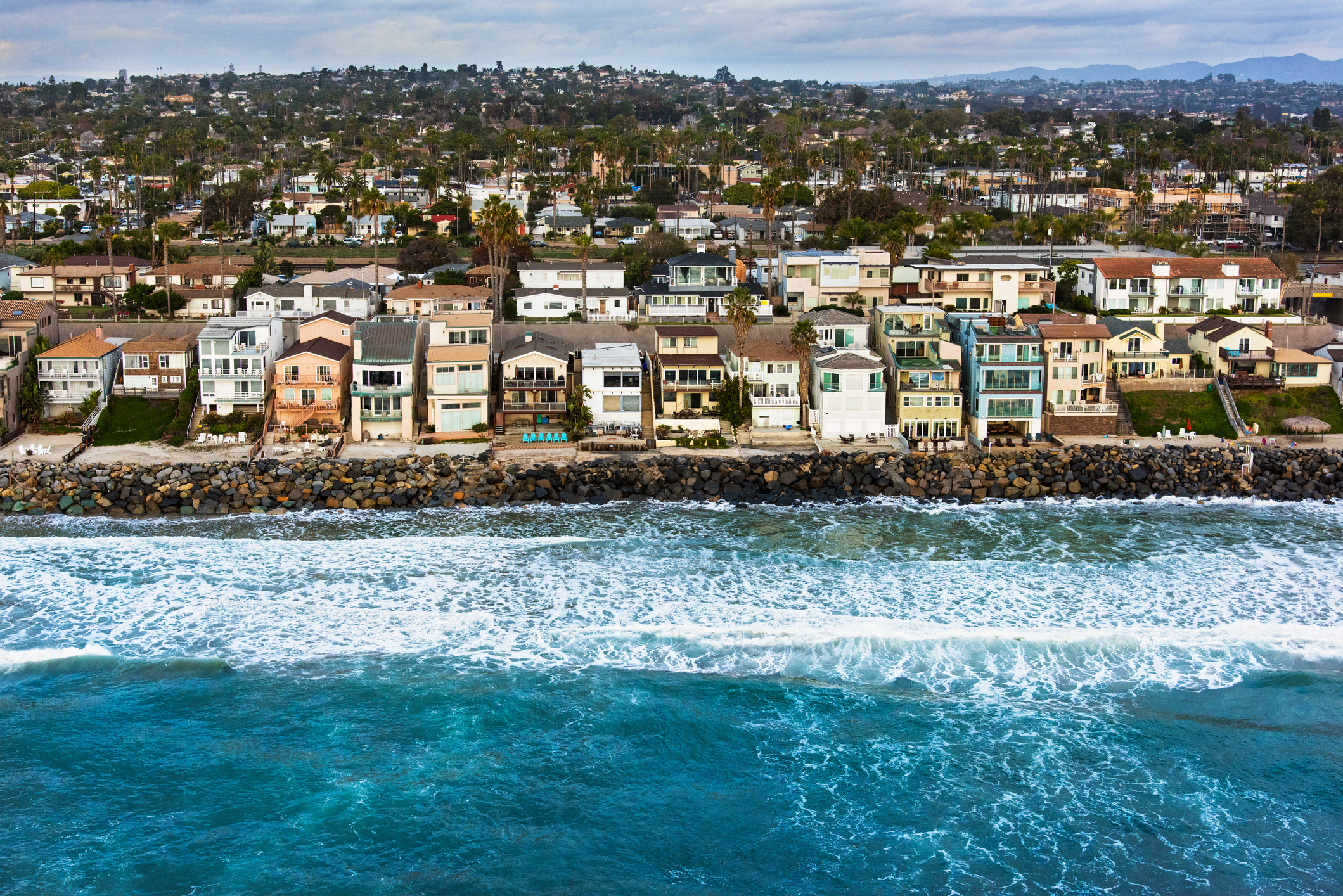
Sea level rise is a dangerous reality for California’s coastal communities. California’s 2024 Sea Level Rise Guidance estimates statewide average sea levels to rise between 1.6 and 3.1 feet by 2100 under intermediate scenarios, while higher levels cannot be ruled out under more severe climate and ice-sheet loss scenarios. The state has begun addressing this challenge through Senate Bill 1, which established a framework and funding mechanisms for sea level rise adaptation planning and implementation. These efforts were expanded through Senate Bill 272, which requires local governments within the Coastal Zone and San Francisco Bay shoreline jurisdictions to develop sea level rise adaptation plans by January 1, 2034.
Transitioning from planning to implementation can be a major challenge for coastal communities. Coastal resilience projects often require approvals from multiple local, regional, state, and federal agencies, resulting in permitting processes that can be sequential and difficult to coordinate. Applicants frequently must address multiple application requirements, technical analyses, and mitigation standards. This complex regulatory framework can increase project timelines, costs, and uncertainty, creating challenges for projects that depend on time-sensitive funding and implementation schedules.
Assembly Bill 2051 (AB 2051), co-sponsored by the Bay Area Council and Bay Planning Coalition and introduced by Assemblymember Buffy Wicks (D-Bay Area), seeks to address the permitting and regulatory coordination challenges facing coastal resilience projects. The bill would establish a working group that would seek to improve coordination, reduce delays, and streamline project approvals while maintaining environmental protections.
What is AB 2051?
AB 2051 would establish a Coastal Resilience Permitting Working Group tasked with developing a Coastal Resilience Permitting Roadmap containing recommendations for legislative, administrative, and other reforms to improve permitting efficiency for coastal resilience projects proposed along the California coast, in San Francisco Bay, and in and adjacent to state and federal waters. The Working Group would include representatives from local, state, and federal agencies and be supported by a Coastal Resilience Permit Advisory Group composed of representatives from state and local government agencies, California ports, local transportation and wastewater treatment agencies, California Native American tribes, businesses, environmental groups, and other interested parties.
The bill requires submission of the Roadmap to the Governor and Legislature by January 1, 2028. AB 2051 passed the State Assembly by a 65-6 vote on May 28, 2026, and is currently advancing through the State Senate’s legislative process.
What specifically will the Working Group address?
AB 2051 specifies several topics that the Working Group must address. At a minimum, the Coastal Resilience Permitting Roadmap must include recommendations for legislative reforms and administrative actions that agencies can implement under existing authority to improve permitting efficiency.
These recommendations include streamlining application completeness reviews, establishing more predictable permitting timelines, improving interagency coordination through regional or statewide permitting teams, expanding the use of programmatic permits and agreements, and developing more consistent approaches to mitigation requirements across agencies (see sidebar).
Also required is a workforce assessment addressing one of the key barriers identified in the bill—limited agency staffing. The assessment would evaluate funding options for regulatory staffing positions and as-needed permitting support contracts to supplement agency staff. AB 2051 further requires a specific analysis of the pay scales needed to recruit and retain permitting staff, taking into account educational requirements, local costs of living, and private-sector compensation for comparable skills.
This assessment comes at a critical time. The California Department of Conservation’s 2025 Leadership Accountability Report says the department is facing a 15% vacancy rate. Adding to this challenge is an aging workforce, with 49% of the department’s staff eligible to retire within the next five years.
ESA’s Climate Change & Resilience team stays abreast of evolving legislation and regulatory changes. Learn how we can guide your project through the permitting process. Contact Climate Planning Services Director Jeff Caton, PE, LEED AP, and Principal Coastal Planner Elijah Davidian, AICP, LEED AP.
Author
Principal Associate
Date
July 6, 2026