
On September 30, 2026, Governor Gavin Newsom signed the final bills of the 2025-2026 legislative session, including 12 bills that directly address the California Environmental Quality Act (CEQA). Below is a brief look at the CEQA-related bills signed into law, and one bill that was vetoed. All the new laws take effect on January 1, 2027, except where noted.
SB 887 (Data Centers and Geothermal Power Plants)
SB 887 bars data center developers from using CEQA categorical exemptions for their projects. There are exceptions for certain publicly funded research, public safety, publicly funded national security, publicly owned, and higher-education research facilities, as well as utility facilities, including telecommunications assets. The law also creates a path for qualifying data centers and geothermal power plants to receive Environmental Leadership Development Project streamlining.
AB 2059 (Traffic Analysis)
AB 2059 addresses some of the challenges of applying vehicle miles traveled (VMT) analyses to transportation projects in nonmetropolitan counties. The California Department of Transportation must develop guidance on VMT mitigation measures for transportation projects in those counties by the end of 2030. The law also creates a temporary presumption of a less-than-significant transportation impact for qualifying projects where at least 70 percent of the project is located in one or more nonmetropolitan counties. The provision applies to projects with a notice of preparation for an environmental impact report (EIR) issued by December 31, 2031, and includes additional requirements and limitations.
AB 40 (Large-Volume Bulk Coal Facilities)
AB 40 requires an EIR before initial discretionary approval of a large-volume bulk coal facility, defined as a facility capable of handling, storing, or exporting more than 5 million short tons of coal per year. The law also limits when agencies can rely on an existing EIR for these facilities. A new or subsequent EIR may be required following changes in the type or amount of coal handled or an increase in capacity above the 5-million-ton threshold. The environmental review must also evaluate potential PM2.5 and PM10 fugitive dust emissions and include applicable mitigation. Its provisions apply retroactively to certain discretionary approvals pending or made between June 4, 2026, and January 1, 2027.
AB 1699 (Prescribed Fires and Cultural Burning)
AB 1699 creates a CEQA exemption for actions taken by the California Department of Forestry and Fire Protection (CAL FIRE) to assist with prescribed fire or cultural burning projects that do not otherwise require CEQA review. The law also addresses prescribed-fire liability, burn boss certification, permitting, and funding. This law took effect immediately after signing.
AB 2234 (Geothermal Exploratory Projects)
AB 2234 updates CEQA’s definition of a geothermal exploratory project, which can include up to six wells. The revised definition now expressly includes which equipment and activities are needed to establish connections between wells and geothermal reservoirs. It also clarifies how the required one-half-mile separation between exploratory wells and commercially productive geothermal wells is measured.
SB 299 (Day Cares)
SB 299 expands an existing CEQA exemption for projects consisting exclusively of a day care center. The exemption previously applied to qualifying centers outside residential areas. It now extends to qualifying day care centers in residential areas, subject to specified exceptions.
SB 1008 (Railroad Crossings)
SB 1008 restores a CEQA exemption allowing the California Public Utilities Commission to close a railroad grade crossing it determines presents a threat to public safety without first completing CEQA review. The exemption does not apply to high-speed rail crossings or projects carried out by the California High-Speed Rail Authority. This law took effect immediately after signing.
AB 2152 (Fire Stations)
AB 2152 allows qualifying local fire station projects to receive the CEQA streamlining already available to certain infrastructure projects. Eligible projects must be undertaken by a city, county, city and county, or local fire agency and meet requirements involving project location, environmental impacts, and other conditions. For qualifying projects certified by the governor, the streamlining includes concurrent preparation of the administrative record and a goal of resolving CEQA litigation within 270 days.
SB 958 (Building Height)
SB 958 changes how CEQA treats impacts caused solely by increased building height. For projects meeting specified conditions, effects such as changes in air circulation, noise, reflected light, shadows, or attraction of wildlife cannot by themselves be considered significant environmental impacts. Among other requirements, the project’s use and density must already have been analyzed in a certified EIR, the project must be on a previously graded infill site, and no sensitive biological resources can be physically present on the site.
Project-Specific CEQA Streamlining
Three additional bills signed into law provide project-specific CEQA streamlining:
- SB 328 allows qualifying development within the Concord Community Reuse Project to rely on existing environmental review and provides streamlined procedures for CEQA challenges. The law took effect immediately after signing.
- SB 344 allows the San Diego redevelopment to rely on a specified City of San Diego EIR for CEQA compliance. The law took effect immediately after signing.
- AB 2231 provides administrative and judicial CEQA streamlining for a qualifying hospital campus project in Santa Clara, including a 270-day target for resolving CEQA litigation.
Lone Veto on Advanced Manufacturing Facilities
Governor Newsom vetoed SB 954, which would have replaced the advanced-manufacturing CEQA exemption enacted in 2025 with a narrower exemption carrying additional siting, emissions, building, operational, and procedural requirements. In his veto message, Governor Newsom wrote that the existing exemption should have more time to operate before the Legislature revisits it and raised concerns that the proposed requirements could make the replacement exemption impractical for many projects.
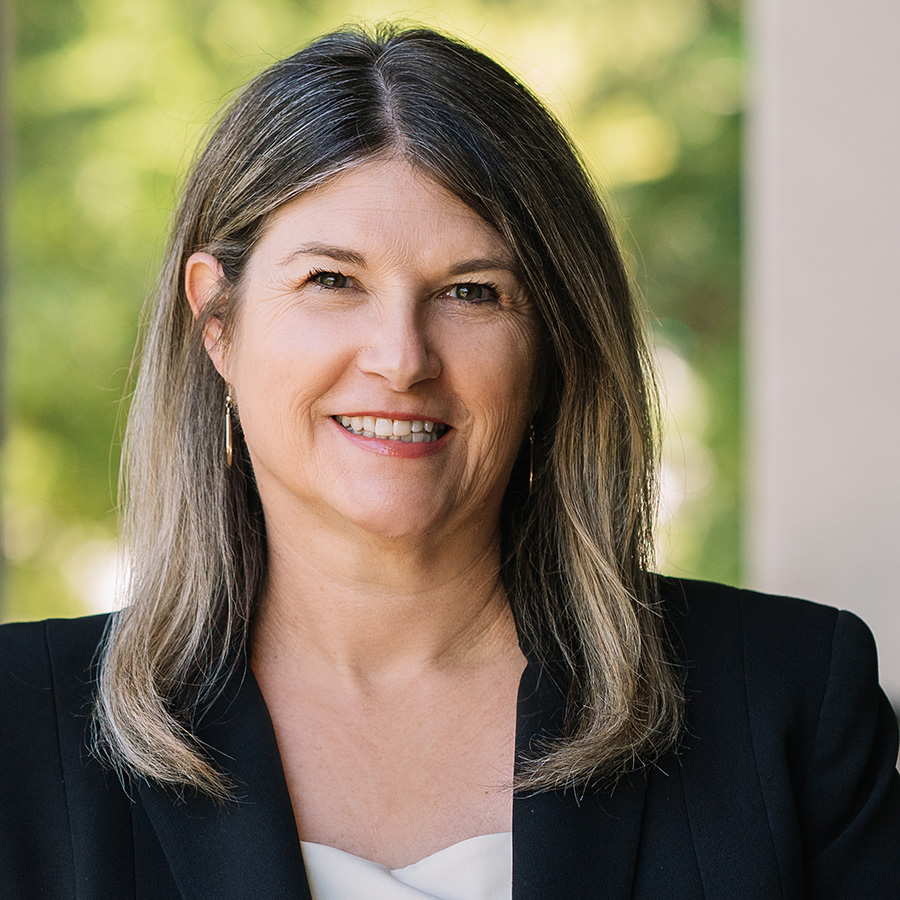
Do you have a question about how the new CEQA laws may affect your project? Contact ESA Environmental Planning Practice Leader Meredith Parkin.
Author
Environmental Planning Practice Leader
Date
October 1, 2026