Why does this project matter?
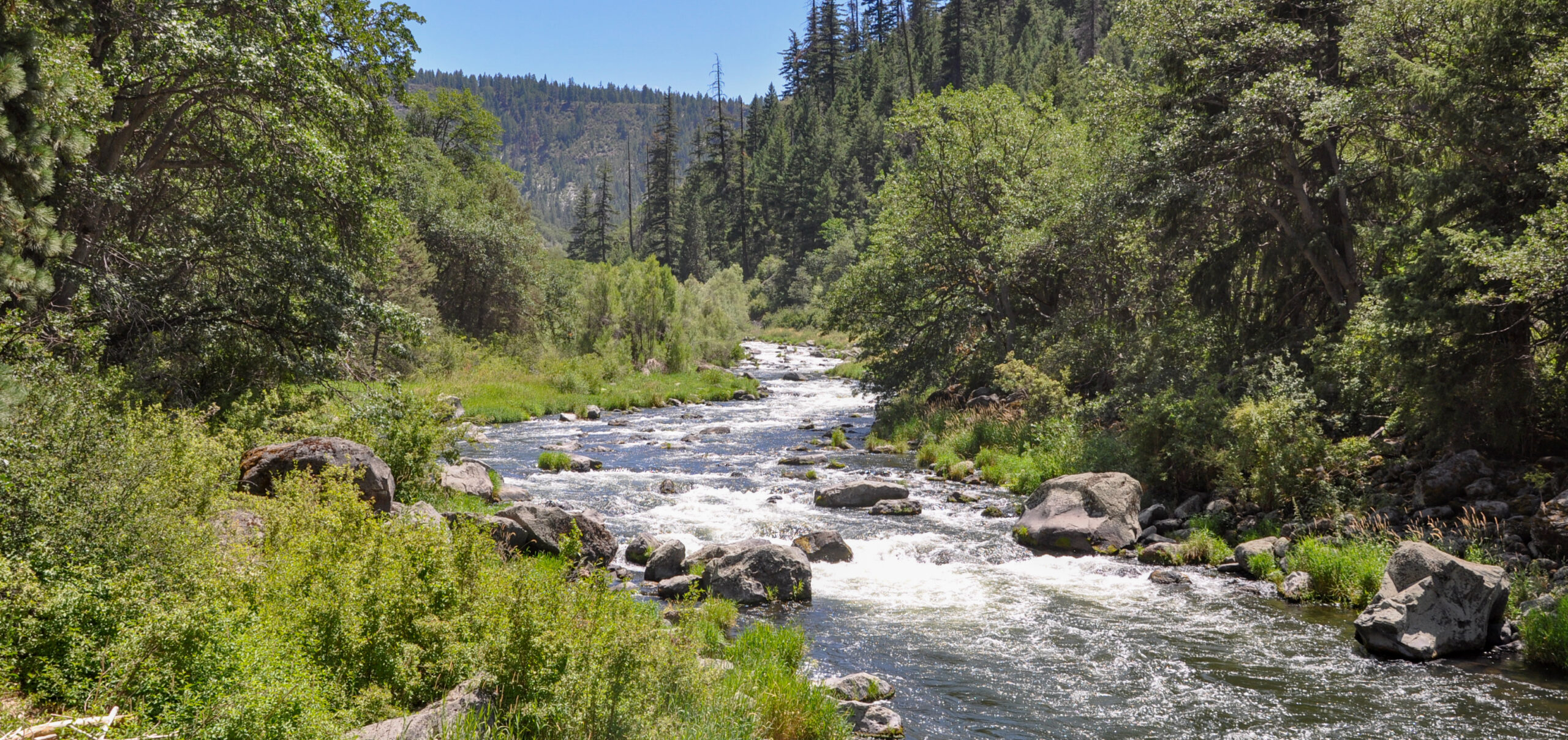
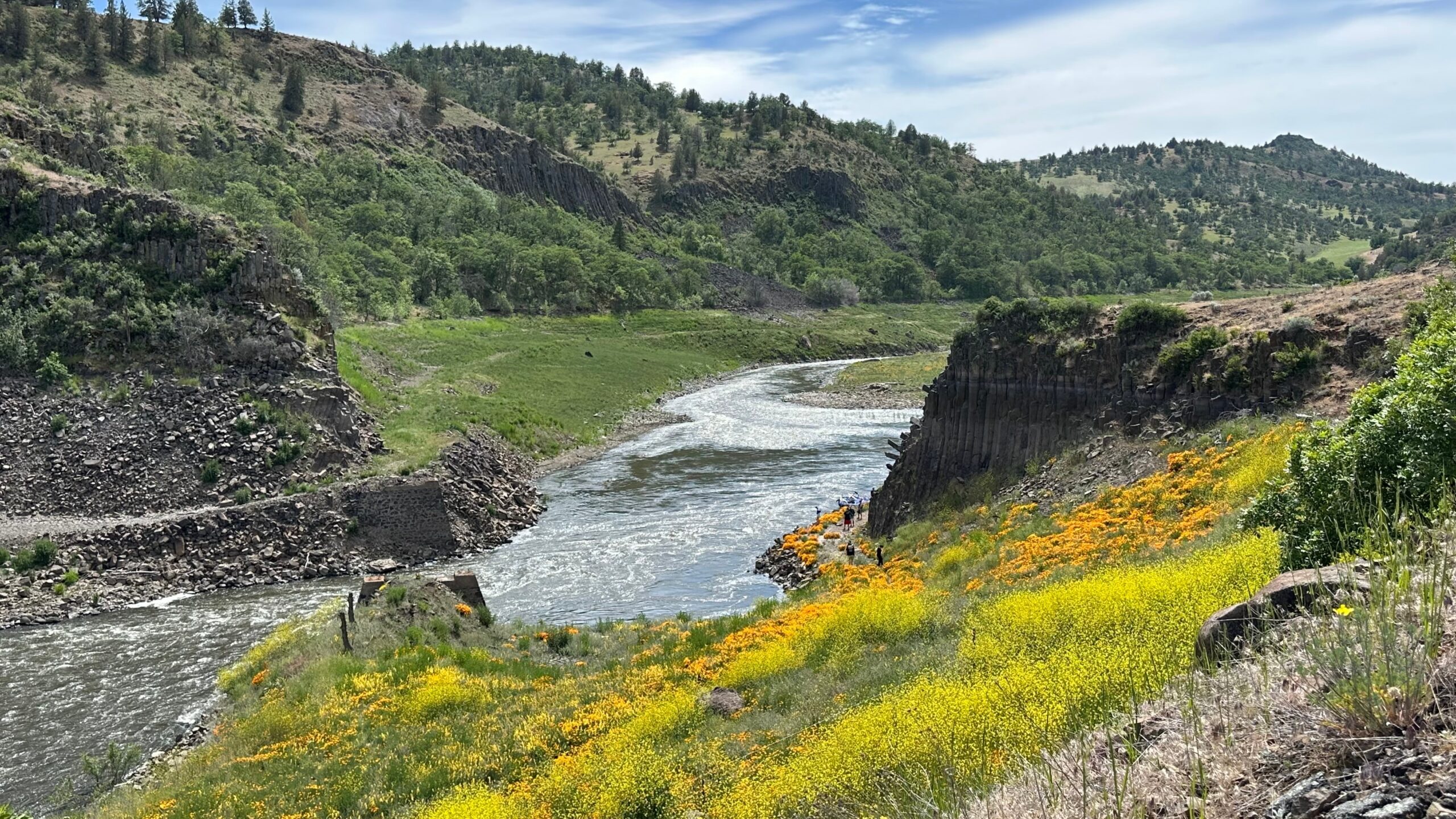
The removal of four significant dams provided an unprecedented opportunity to restore volitional fish passage and critical habitat functions by restoring riverine, floodplain, wetland, and riparian habitats across the former reservoirs. The project reconnected tributaries, restored and improved fish passage, reset natural channel processes, and established native vegetation communities designed to stabilize banks, restore and enhance habitat complexity, and support long-term ecosystem recovery within the restored reservoir footprints.
What is ESA doing to help?
As a subconsultant to Resource Environmental Solutions (RES) under a design/build contract in coordination with Kiewit, ESA provided a range of services covering geomorphology, biological resources, cultural resources, habitat restoration planning and design, and permitting. The ESA project team developed the design basis and ‘adaptive design approach’ for the restoration of the full range of aquatic, wetlands, floodplain, and uplands habitats.
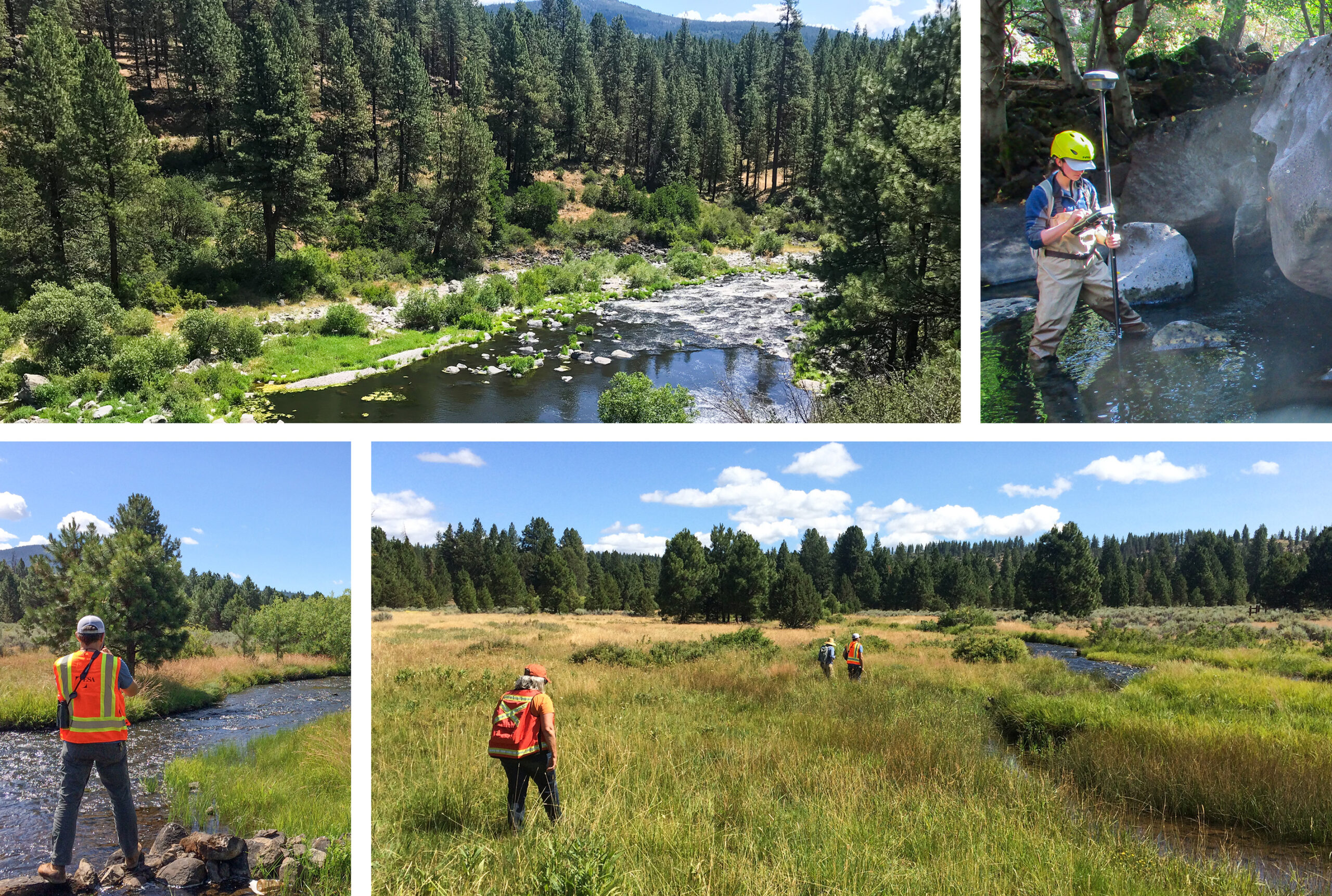 ESA hydrology and biological resource teams perform habitat and geomorphic assessments along the Klamath River.
Given the large scale of the project, the fundamental design challenge was to determine where direct intervention would be needed, and where natural processes could be relied upon to allow the river to heal itself. ESA answered critical design issues such as how to reconstruct segments of the Klamath River through the former dam footprints; the extent of active versus passive planting required; and identifying the most critical river reaches and tributaries to receive restoration resources. ESA’s multidisciplinary restoration team of ecologists, fisheries biologists, geomorphologists, restoration engineers, and permitting specialists successfully set the post-dam removal riverbed elevations and delivered the project’s restoration designs and engineering basis of design under a compressed six-month timeframe at the onset of the design-build process when environmental compliance schedules were critical.