ESA supported a series of restoration and habitat enhancement efforts along Sullivan Creek in the Colville National Forest as part of SCL’s FERC license requirements. Working closely with the U.S. Forest Service (USFS), and other stakeholders, ESA provided environmental planning, survey, permitting, and design services across multiple projects.
Mill Pond Dam Removal/Restoration
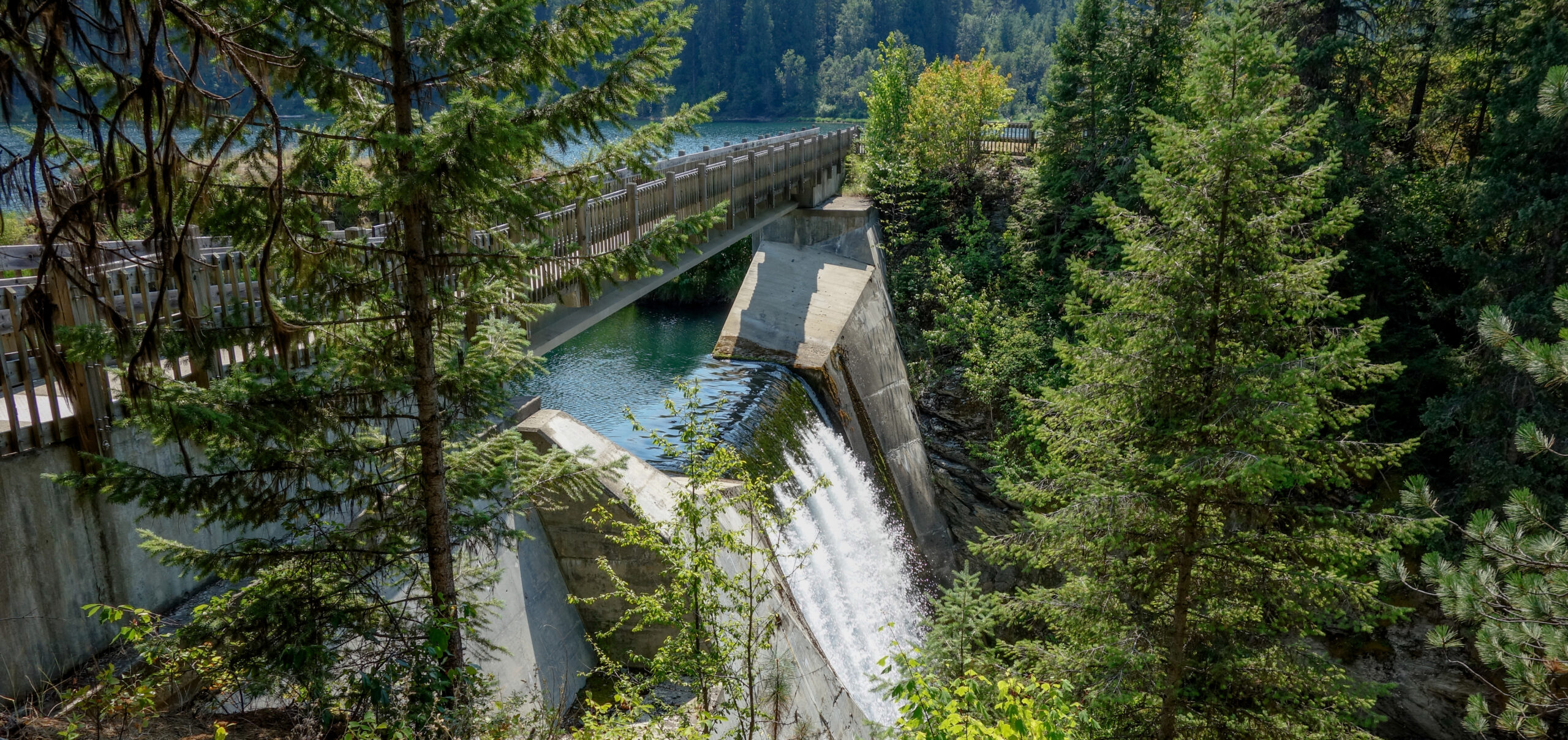
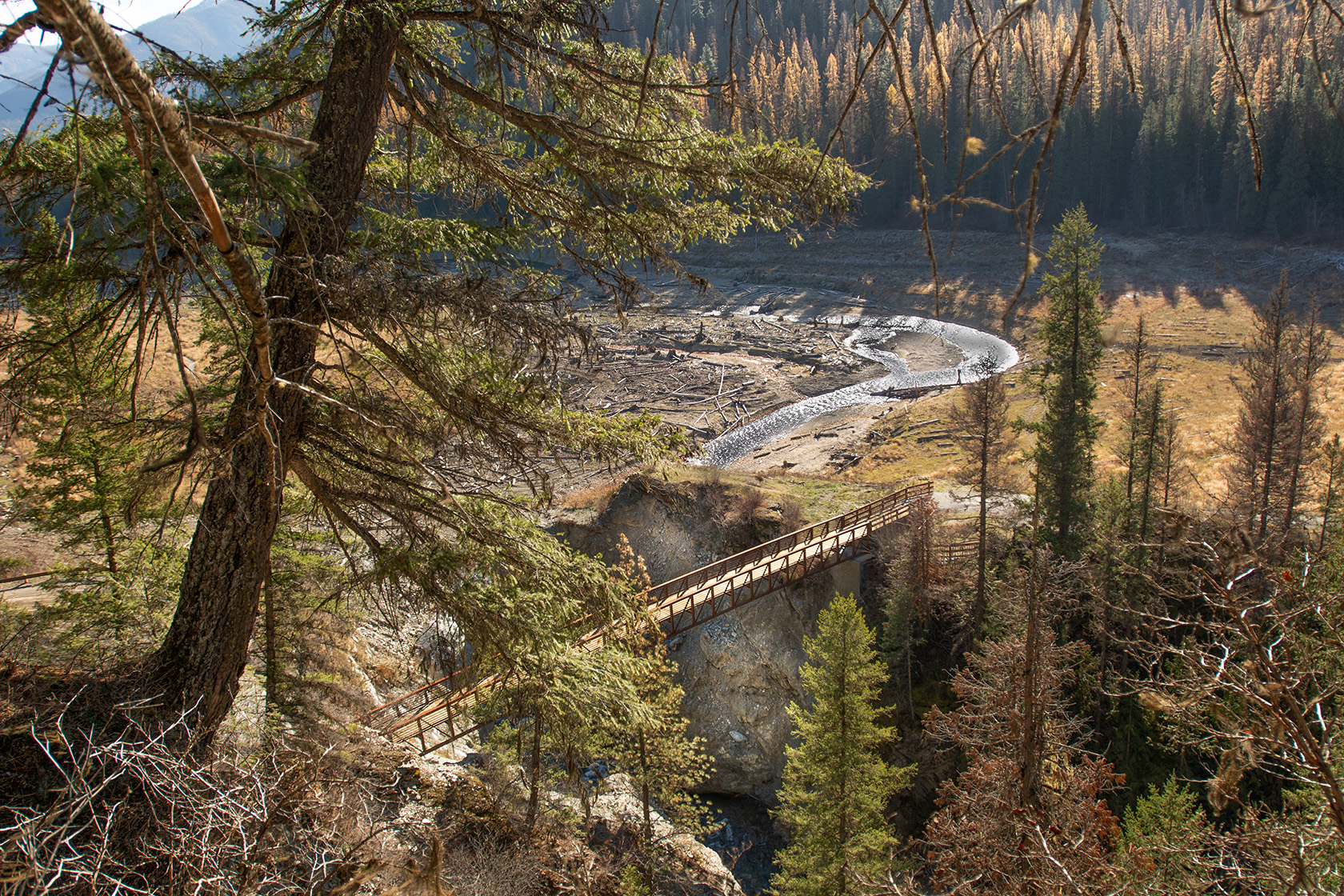 As a partner in this design-build project, ESA was responsible for all permitting, NEPA and SEPA documentation, cultural resources documentation, and Endangered Species Act compliance. Our team conducted restoration design and implementation for the upland, wetland, and riparian habitats behind the dam following demolition, as well as restoration of all staging areas. ESA assessed nearby reference sites to design a revegetation plan, and led post-demolition monitoring to ensure plan standards were met. We also collaborated with community members to develop a recreation plan that featured several trails through the old reservoir, stream access points, interpretive signs, and an accessible picnic shelter, helping to reconnect the community with the restored landscape.
Sullivan Creek Large Woody Debris (LWD) Habitat Enhancement and Restoration
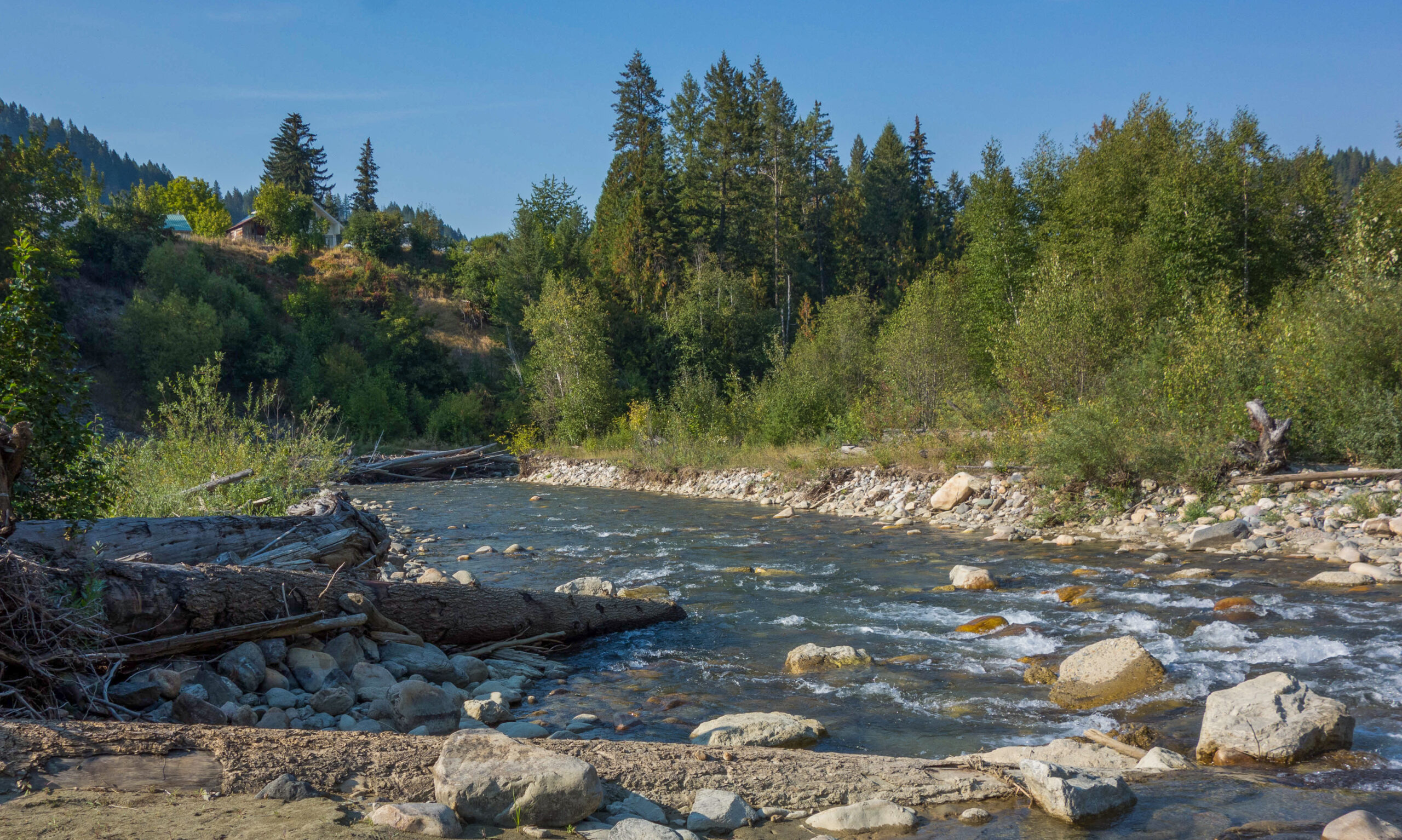
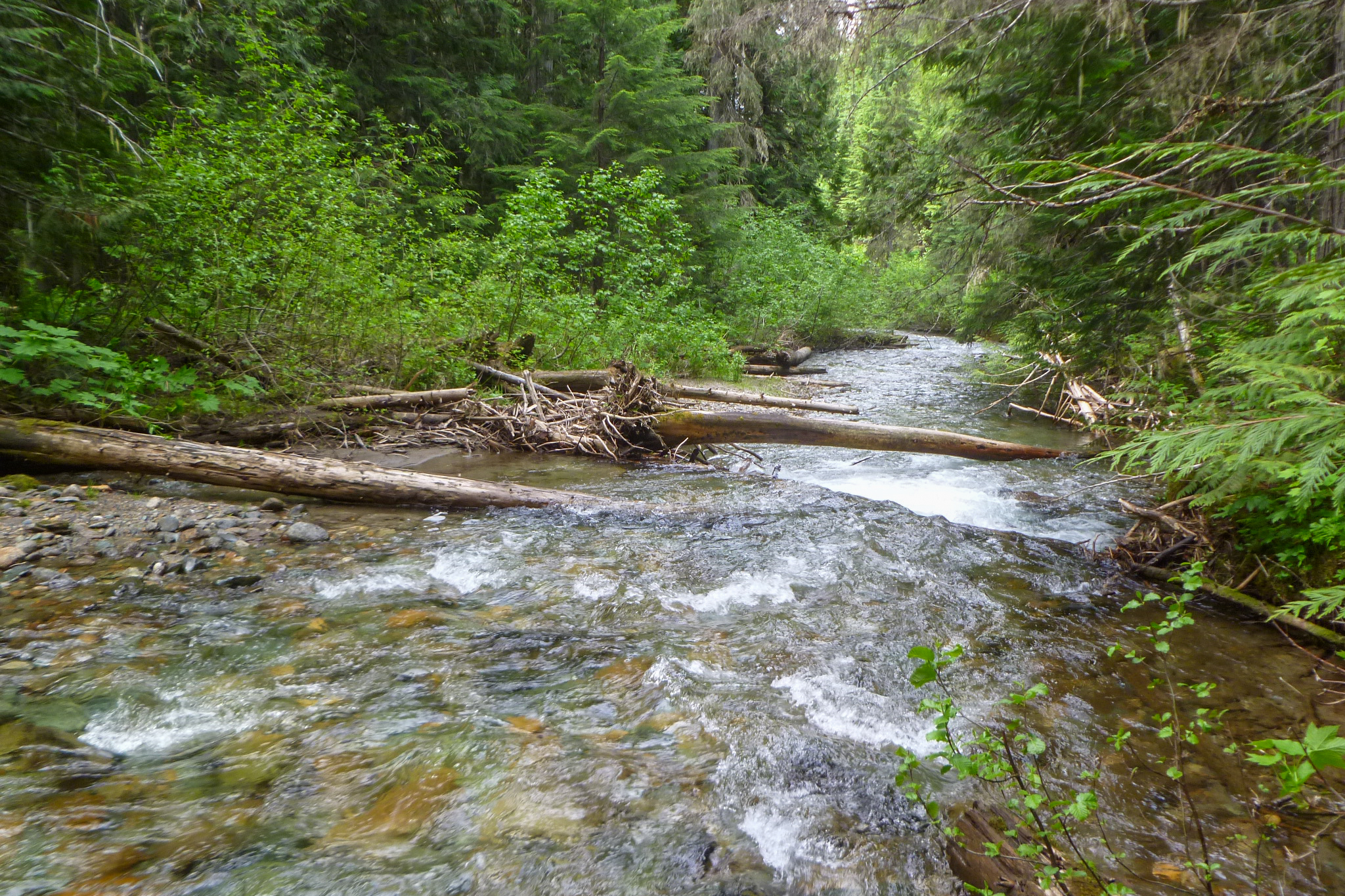 The goal of the project was to improve ecological function through the placement of a large amount of instream LWD structures to accelerate the recovery of the Sullivan Creek channel and floodplain. Wood placement techniques included using ground-based equipment, helicopter placement, and riparian tipping. ESA led the field assessment and environmental permitting tasks which included a week-long field analysis of the restoration sites (flagging the Ordinary High Water Mark, wetland reconnaissance, and rare plant surveys). ESA also worked with the design team to explore options that would eliminate or reduce impacts to critical areas and led the permitting effort which included Endangered Species Act compliance, a USFS Special Use Authorization Permits, and Clean Water Act permitting. ESA also led the NEPA Environmental Assessment.
Sullivan Creek Dispersed Recreation Site Closure and Restoration Planning
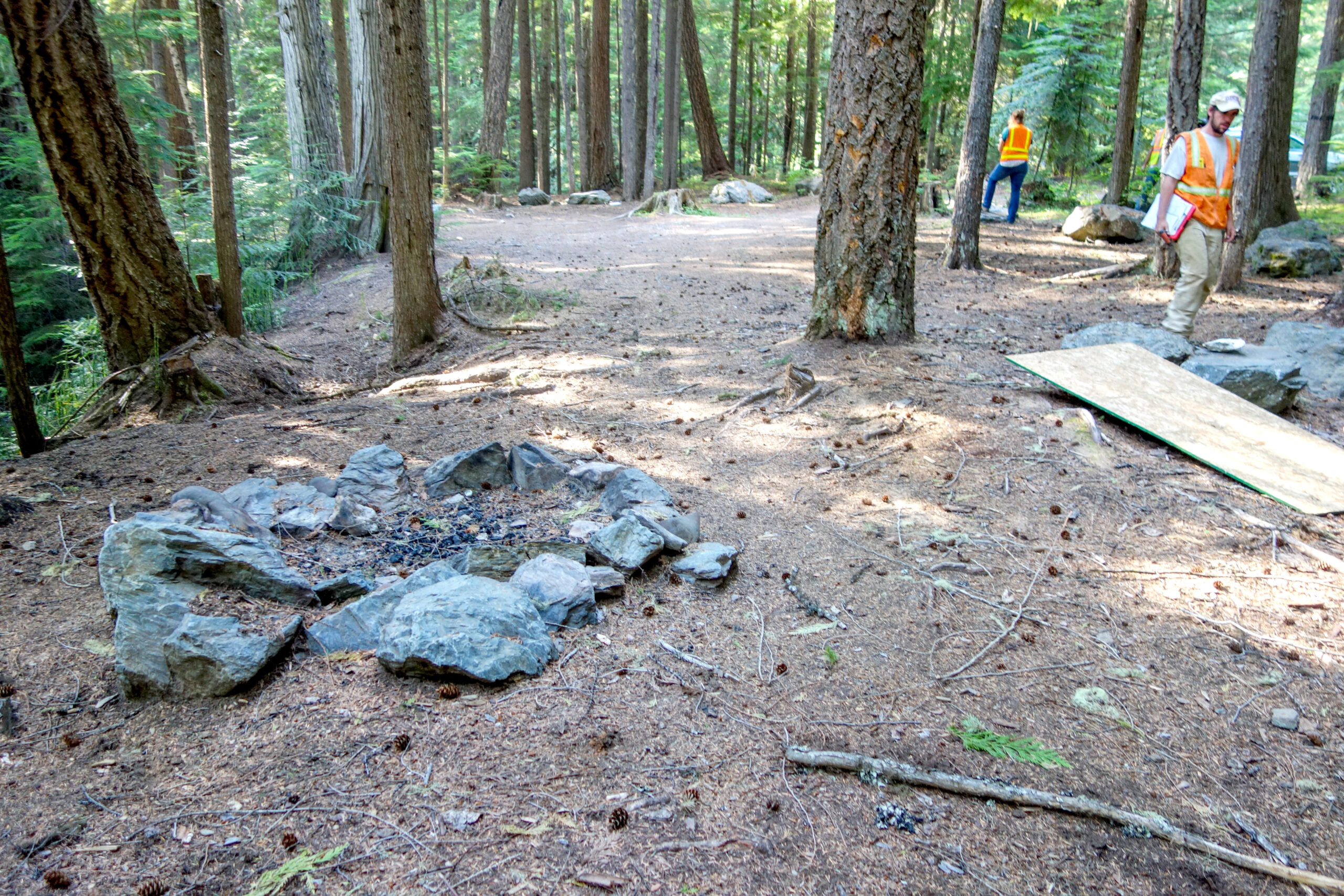 ESA assisted SCL with closure and restoration of 38 dispersed recreation sites along Sullivan Creek. The recreation sites were either closed or modified to improve riparian habitat conditions along Sullivan Creek and to reduce potential effects to bull trout and aquatic habitat. ESA collaborated with forest staff on design concepts that would enrich recreational opportunities, reduce soil compaction and erosion, enhance fish habitat, improve sanitation, and reduce the potential for animal conflicts. ESA led the Recreation Resource Restoration Report and assisted with several outreach meetings involving SCL, USFS, and various community stakeholders. ESA’s cultural resources team also worked with USFS to inform decisions and provide solutions that restored habitat and increased recreation opportunities while avoiding adverse effects to historic properties, including a Civilian Conversation Corps Camp.