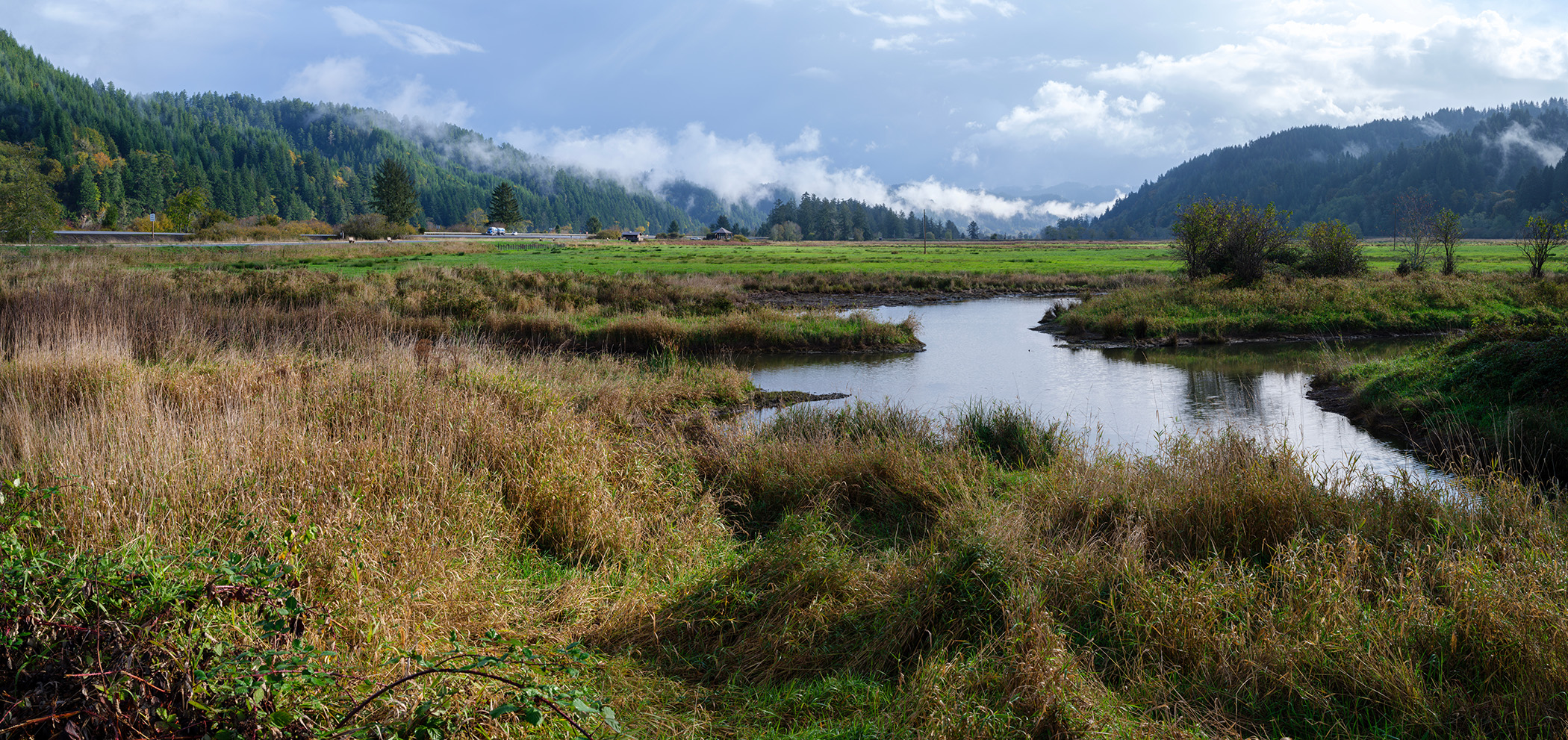
Protecting and restoring conservation lands is a long-term process that requires early due diligence, asset management and deployment, detailed planning and permitting, consistent maintenance and monitoring, and coordinated execution and reporting. From mitigation sites to parks and protected open space, these areas require significant effort to plan, acquire, and maintain, often into perpetuity. The work is continuous, interconnected, and is often managed by multiple organizations over a project’s life cycle, including private, public, and non-profit entities.
TerraTrak™ was built from the ground up to support the unique requirements of this stewardship.
Developed by ESA’s Technology Services team, TerraTrak is a centralized data management system that helps investors, land managers, operating companies, and public agencies plan, track, and execute the full life cycle of natural lands acquisition, protection, and management. The platform integrates planning, budgeting, field operations, and reporting into a single, reliable system—providing a consistent, centralized source of record for everything from invasive species management to real estate tracking.
System Designed for Real Work
At its core, TerraTrak is built around how our natural resource management clients operate, supporting the workflows that help them run operations more efficiently, whether their work includes managing land acquisitions, coordinating restoration, or handling ongoing maintenance.
Designed for daily use, the system serves as a primary information hub, directing teams on what needs to happen next, what has already been completed, and how individual tasks connect across projects.
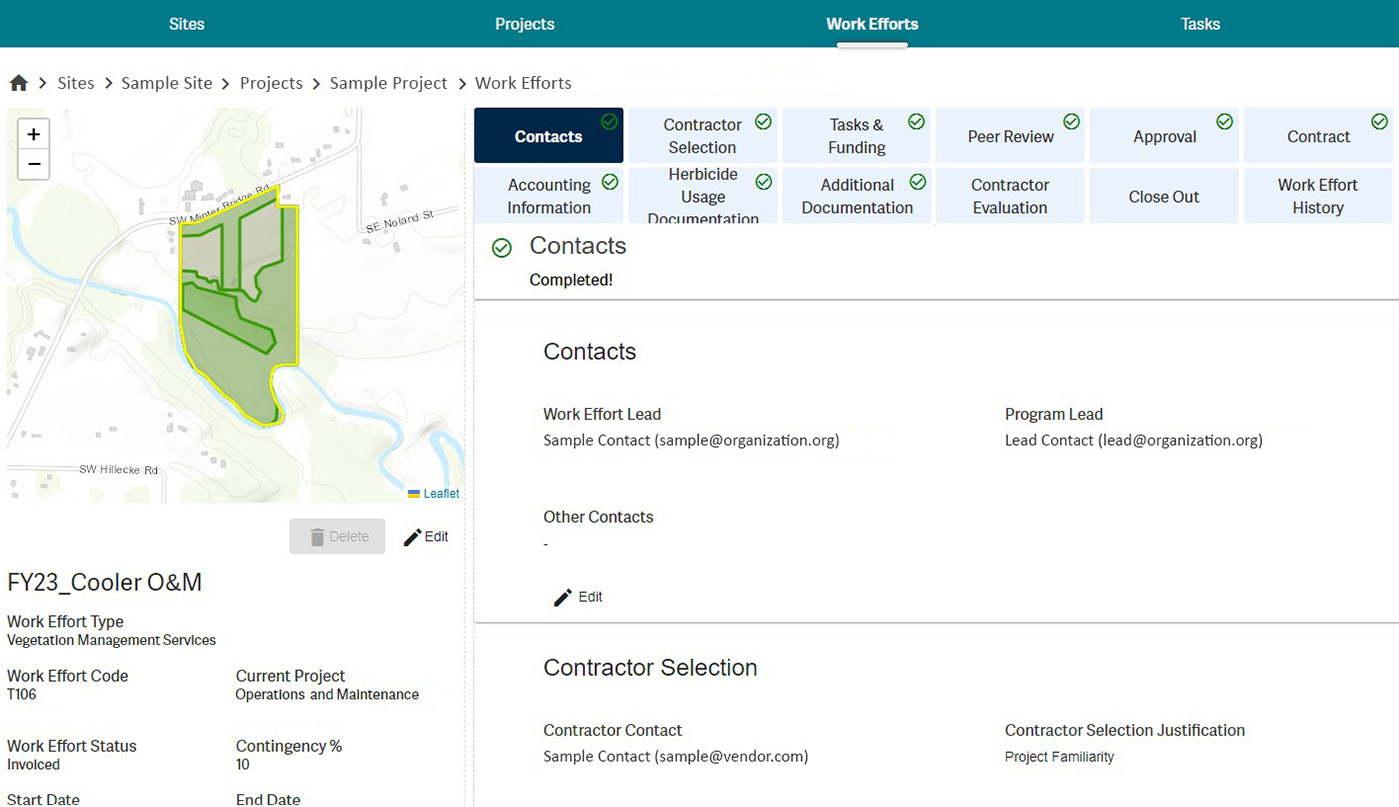
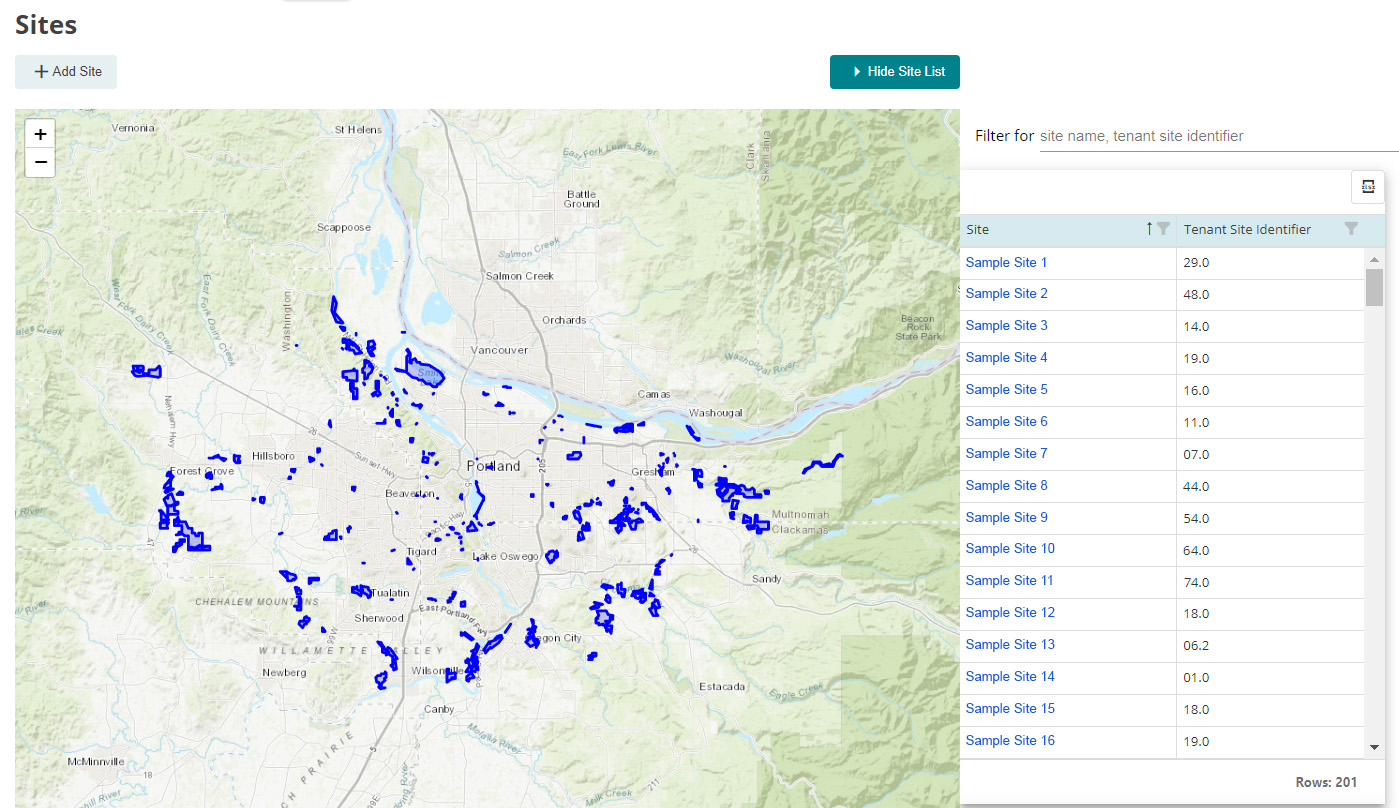
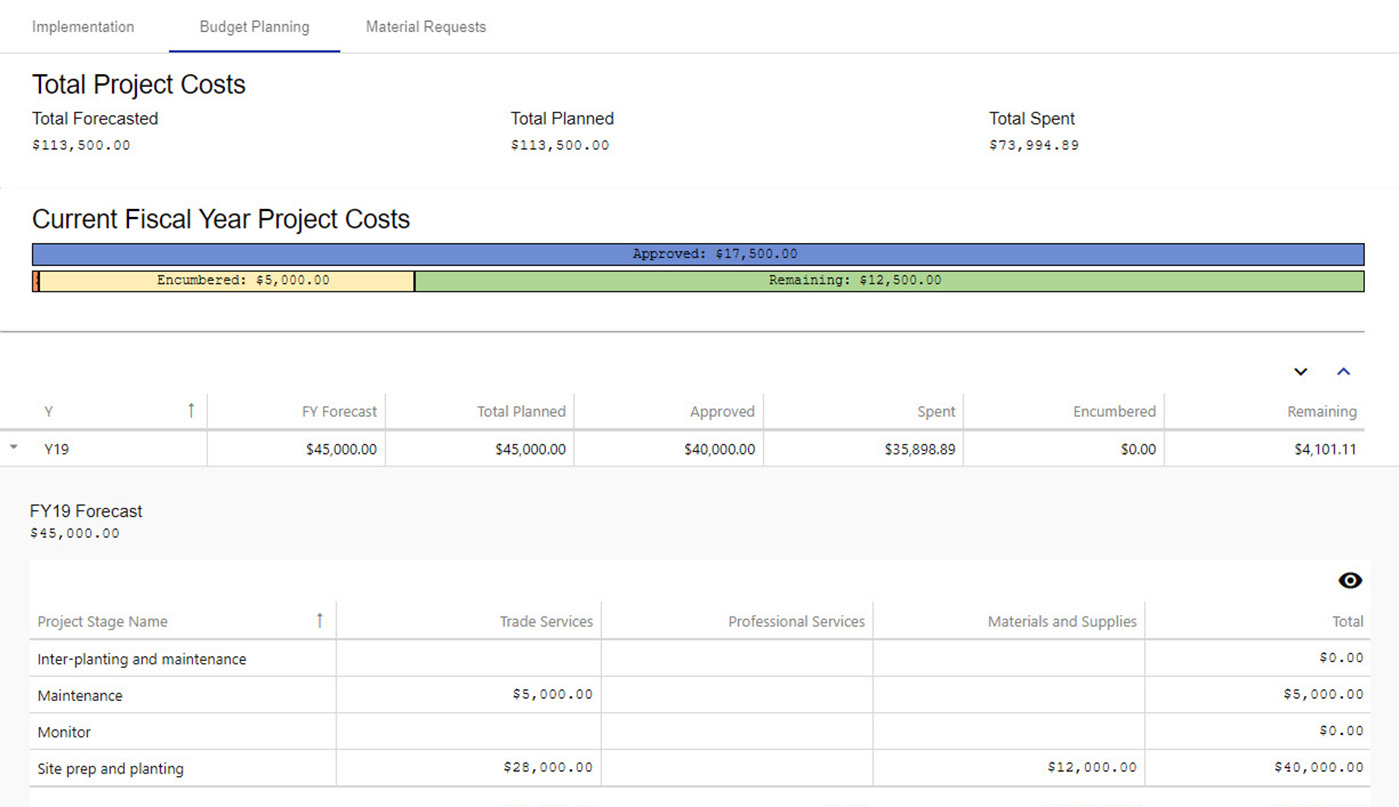
Key workflow features in TerraTrak’s platform help with work effort management, monitoring and management of land assets, and tracking budgets.
For example, during a land acquisition process, teams can track each stage in one place, from identifying properties under consideration and conducting land due diligence to monitoring real estate deal progress and connecting those sites to future restoration plans. The same applies to recurring operational tasks, such as seasonal planting, invasive species removal, and contractor coordination.
Instead of multiple tools, natural resource managers can access projects, budgets, schedules, and status updates in one place.
“Natural areas management requires a large, interdisciplinary team to bring a project vision down to the day-to-day tasks that make it happen,” shares Technology Services Lead, Laura Nickelhoff.

“TerraTrak is an indispensable daily tool to keep everyone on the same page with the information they need to know.”
Laura Nickelhoff, Technology Services Lead
From Fragmentation to a Single Source Vision
Before TerraTrak, much of this work involved outdated spreadsheets, emails, and disconnected systems. That fragmentation made it difficult to track progress, streamline schedules, manage budgets, and keep accurate data.
TerraTrak replaces that patchwork with structured workflows and integrated validation. The system has built-in guardrails to capture only accurate and verifiable data, reducing errors and preventing version control issues that can occur with traditional data management tools.
It includes tools for:
- Real estate tracking – Monitor land acquisition status and ongoing property management.
- Budgeting and financial tracking – Understand funding availability, approval workflows, and cost allocation.
- Materials management – Track inventory, distribution, and costs for plants and other materials across sites.
- Contracts and administration – Streamline processes and reduce manual coordination.
This holistic approach allows organizations to “slice and dice” their data, analyzing costs, resources, and outcomes to inform smarter planning and investment decisions.
According to Compensatory Mitigation Lead Melissa Denena, “Portfolio management of a diverse assortment of compensatory mitigation land solutions can be very complex and tedious, with needs varying from state to state.”
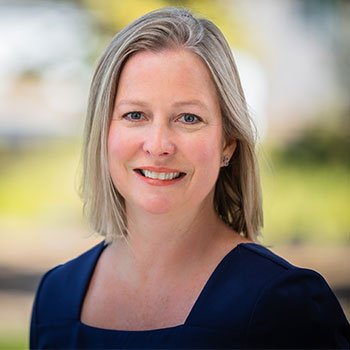
“TerraTrak brings everything into one system so teams can oversee the status and requirements across all projects, stay aligned in a streamlined manner, and focus on the tasks at hand.”
Melissa Denena, Compensatory Mitigation Lead
Flexible and Client-Driven
TerraTrak already supports large-scale programs that protect natural habitat areas. From daily task management to long-range planning, TerraTrak serves as the single source of information for what is next and what has already been completed. Whether it is a compensatory mitigation operating company, regional government agency, non-profit organization, water resources organization, or urban parks department, ESA can customize TerraTrak to match how they operate. This flexibility is one of the reasons long-term clients continue to develop the platform alongside ESA’s technology team.
For over a decade, Metro, which oversees public services and regional systems for the greater Portland, Oregon area, and Clean Water Services, a water resources management utility in northwest Oregon, have relied on TerraTrak to manage operations, inventory, assets, and costs. More recently, the City of Baltimore’s Department of Recreation and Parks has adopted TerraTrak to support similar efforts. ESA’s Technology Services team works iteratively with clients, shaping new features and enhancements to ensure the system continues to meet real-world needs as their work evolves.
What’s Next?
As the demands for habitat protection and natural resources management grow, TerraTrak is evolving to keep pace. ESA’s Technology Services team is developing new capabilities, including:
- Supporting mitigation banking workflows, where land is restored and tracked over decades to generate environmental credits.
- Enhanced reporting and integrations, allowing data to flow into tools like Tableau.
- AI-assisted data entry, reducing manual input by extracting information from documents.
While these features are evolving, they point toward a clear goal—making it easier to manage environmental work with greater efficiency and insight. In a field where efforts span decades, TerraTrak provides a unified system that helps teams stay aligned, meet regulatory requirements, and support the long-term success of protecting natural habitat areas.

“Behind every successful habitat is a team doing critical work. TerraTrak is fully tailored to each client, helping teams stay organized, track projects, and focus on what matters most.”
Julia Allen-Rodrigues, Product Owner
To learn more about TerraTrak, contact Laura Nickelhoff and Julia Allen-Rodrigues. You can also visit us at the Environmental Markets Conference from April 27–30, 2026, in Chattanooga, Tennessee where our team will be presenting a live demonstration of the platform.