Aquatic Invasive Species Monitoring for the Boundary Hydroelectric Project
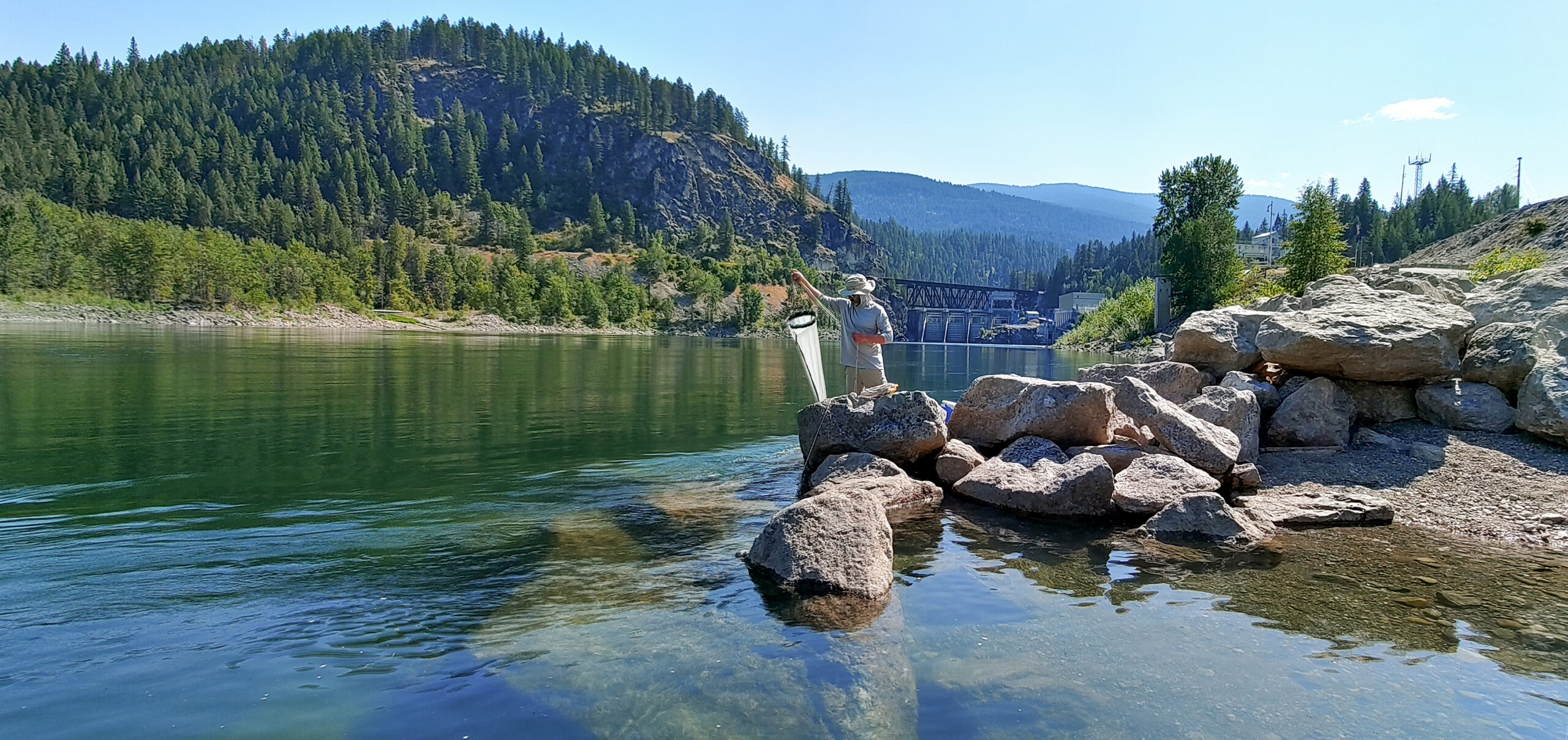
ESA, in partnership with Portland State University (PSU), is leading a multi-year monitoring effort for aquatic invasive species (AIS) at Seattle City Light’s Boundary Hydroelectric Project on the Pend Oreille River. Activities are in support of FERC relicensing requirements and Clean Water Act Section 401 permit conditions. ESA is also leading an assessment for the potential for invasive mussel establishment that would impact Project assets.
Why Does this Project Matter?
In addition to ensuring compliance with state and federal water quality standards, this program aims to protect aquatic ecosystems and provide early detection of invasive species that have the potential to cause disruptions to hydropower operation by clogging and “fouling” infrastructure. Assessing the vulnerability of the Boundary Reservoir and associated Project infrastructure to invasive mussels will prepare site managers for anticipated costs. It will also provide an opportunity to work toward mitigating those costs through basin-wide coordination of early detection monitoring, long-term capital planning, and inclusion of mitigation and prevention measures in future builds, retrofits or upgrades to the Project, rather than through expensive and disruptive emergency response actions.
What is ESA Doing to Help?
ESA is implementing the Aquatic Invasive Species Control and Prevention Plan, including early detection monitoring for invasive mussels (zebra, quagga, and golden) and New Zealand mudsnails, in coordination with Portland State University. Monitoring incorporates a variety of tools including eDNA for qPCR and metabarcoding analysis. In addition, ESA assesses and manages invasive aquatic vegetation, including Eurasian watermilfoil and flowering rush, and develops control strategies and bid specifications to support ongoing management efforts.
ESA is evaluating the vulnerability of the reservoir and Project infrastructure to establishment of invasive mussels using key water quality criteria: dissolved calcium, pH, water temperature, and food availability.
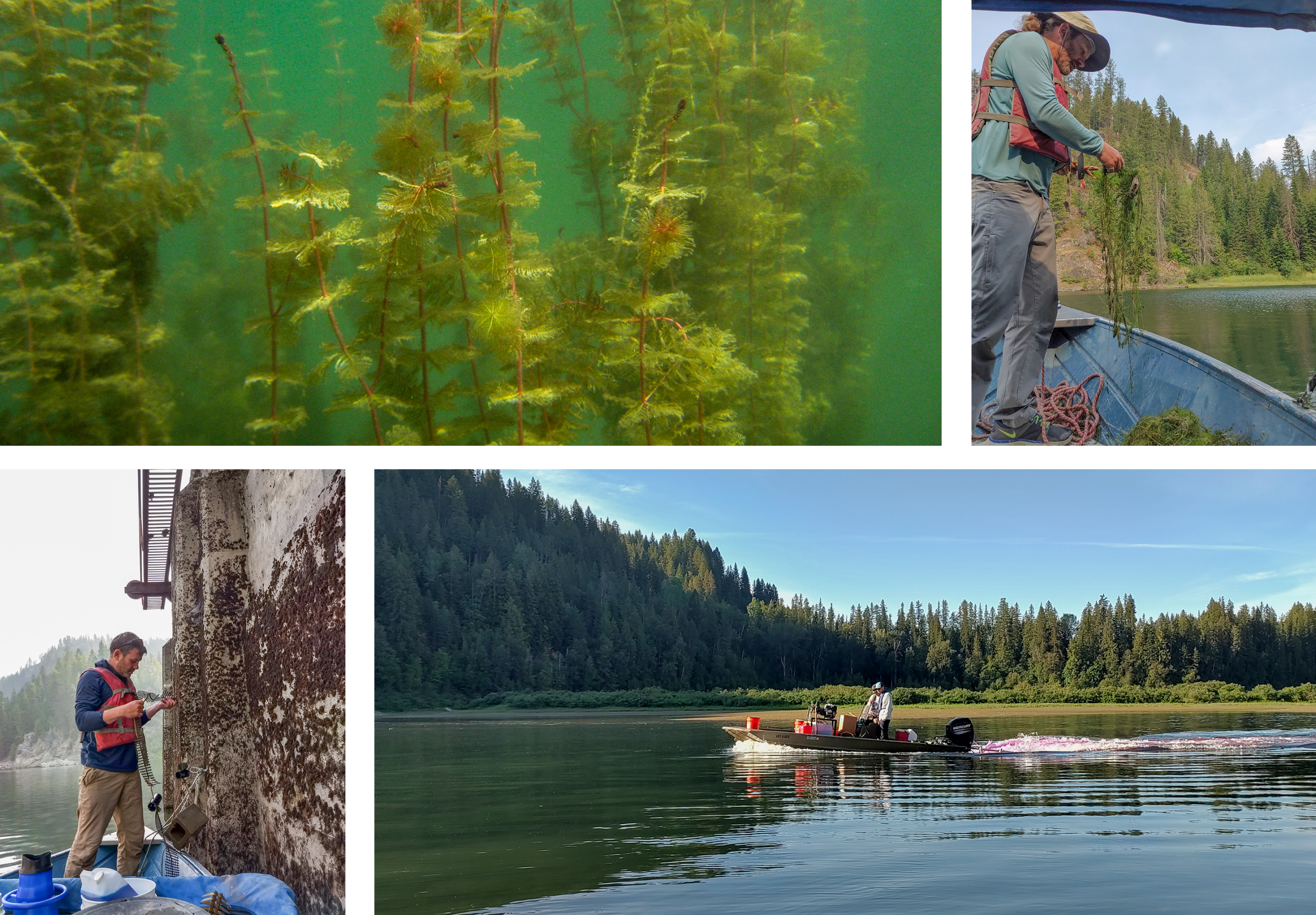
Top left, moving clockwise, invasive Eurasian watermilfoil (Myriophyllum spicatum), ESA Senior Aquatic Biologists conducting a Project-wide aquatic plant survey and inspecting substrates for invasive mussel attachment, and contractors applying inert dye for a water exchange study.
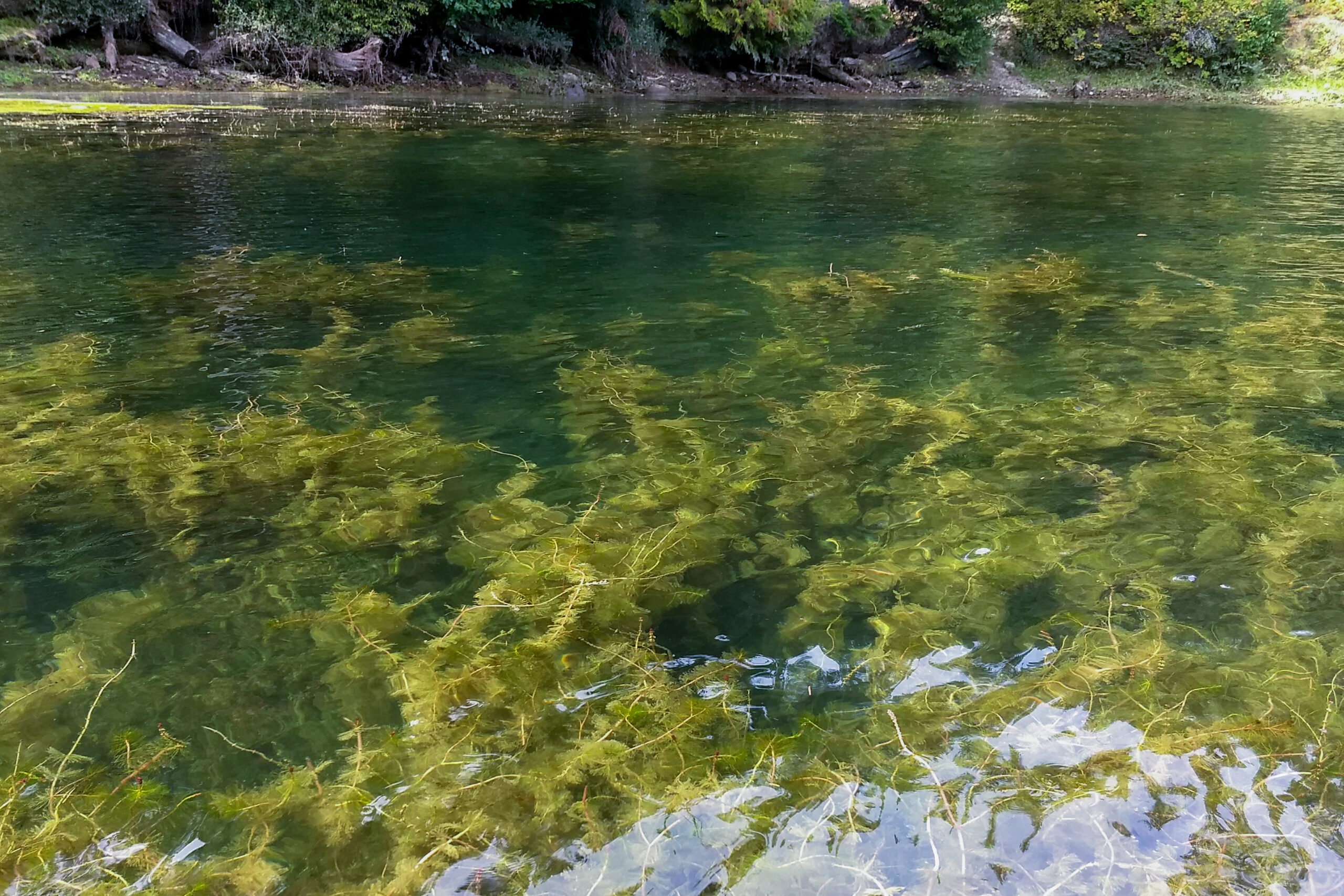
Eurasian watermilfoil is a highly invasive aquatic plant that interferes with navigation, impacts water quality, and outcompetes native freshwater vegetation. ESA and PSU aquatic biologists have been supporting City Light in conducting AIS surveys for Eurasian watermilfoil, and other invasive aquatic plants since the implementation of the FERC re-license.
We use cookies to improve your experience on our site and to show you personalized content. By accepting cookies, you agree to our use of cookies as described in our Privacy Policy.
Functional
Always active
The technical storage or access is strictly necessary for the legitimate purpose of enabling the use of a specific service explicitly requested by the subscriber or user, or for the sole purpose of carrying out the transmission of a communication over an electronic communications network.
Preferences
The technical storage or access is necessary for the legitimate purpose of storing preferences that are not requested by the subscriber or user.
Statistics
The technical storage or access that is used exclusively for statistical purposes.The technical storage or access that is used exclusively for anonymous statistical purposes. Without a subpoena, voluntary compliance on the part of your Internet Service Provider, or additional records from a third party, information stored or retrieved for this purpose alone cannot usually be used to identify you.
Marketing
The technical storage or access is required to create user profiles to send advertising, or to track the user on a website or across several websites for similar marketing purposes.