Why does this project matter?
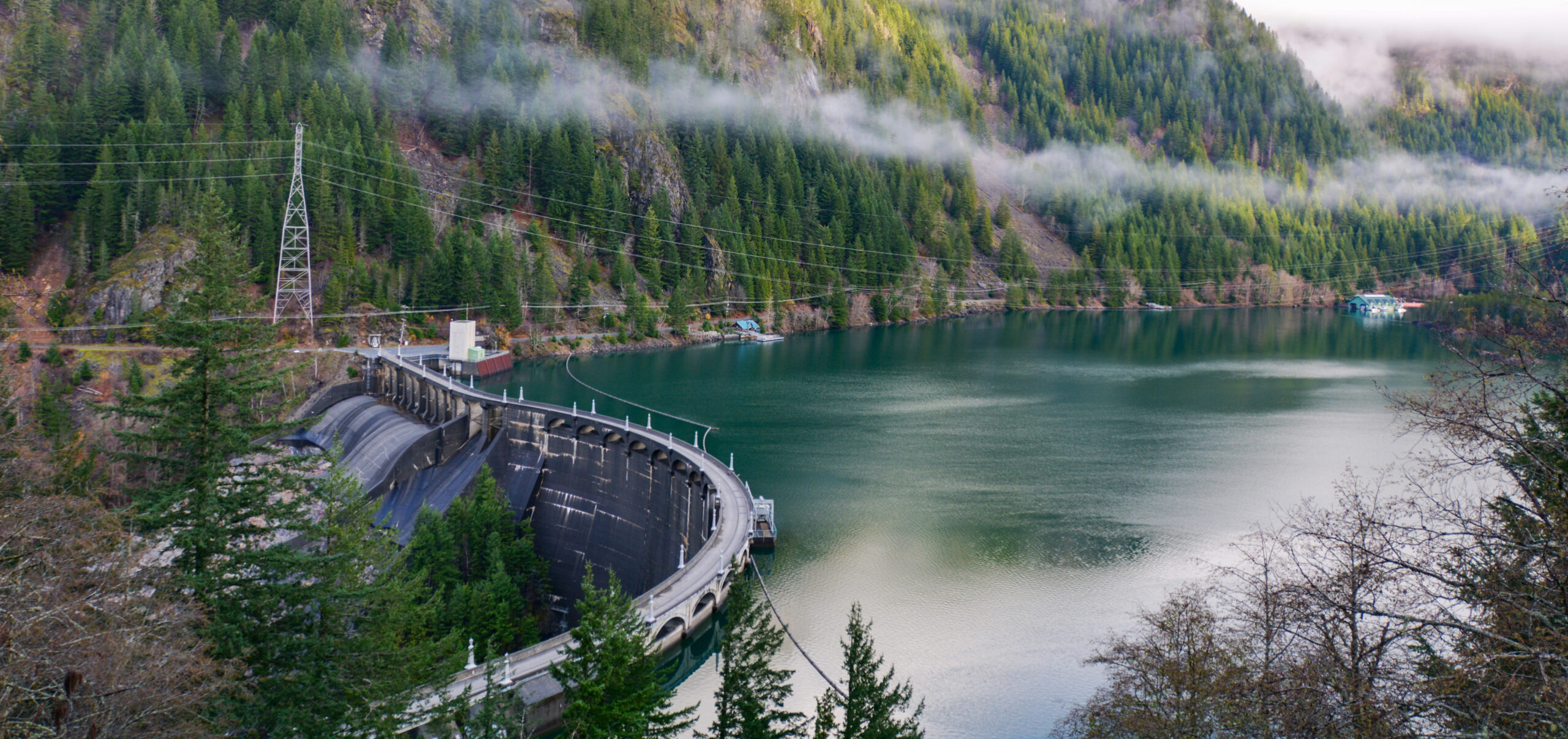
As one of the region’s most significant sources of renewable energy, the Skagit Hydroelectric Project plays a critical role in maintaining reliable power for communities across the Pacific Northwest. The relicensing process ensures continued operation while addressing modern environmental standards, protecting sensitive habitats, honoring Tribal treaty rights, and supporting long-term ecosystem health.
What is ESA doing to help?
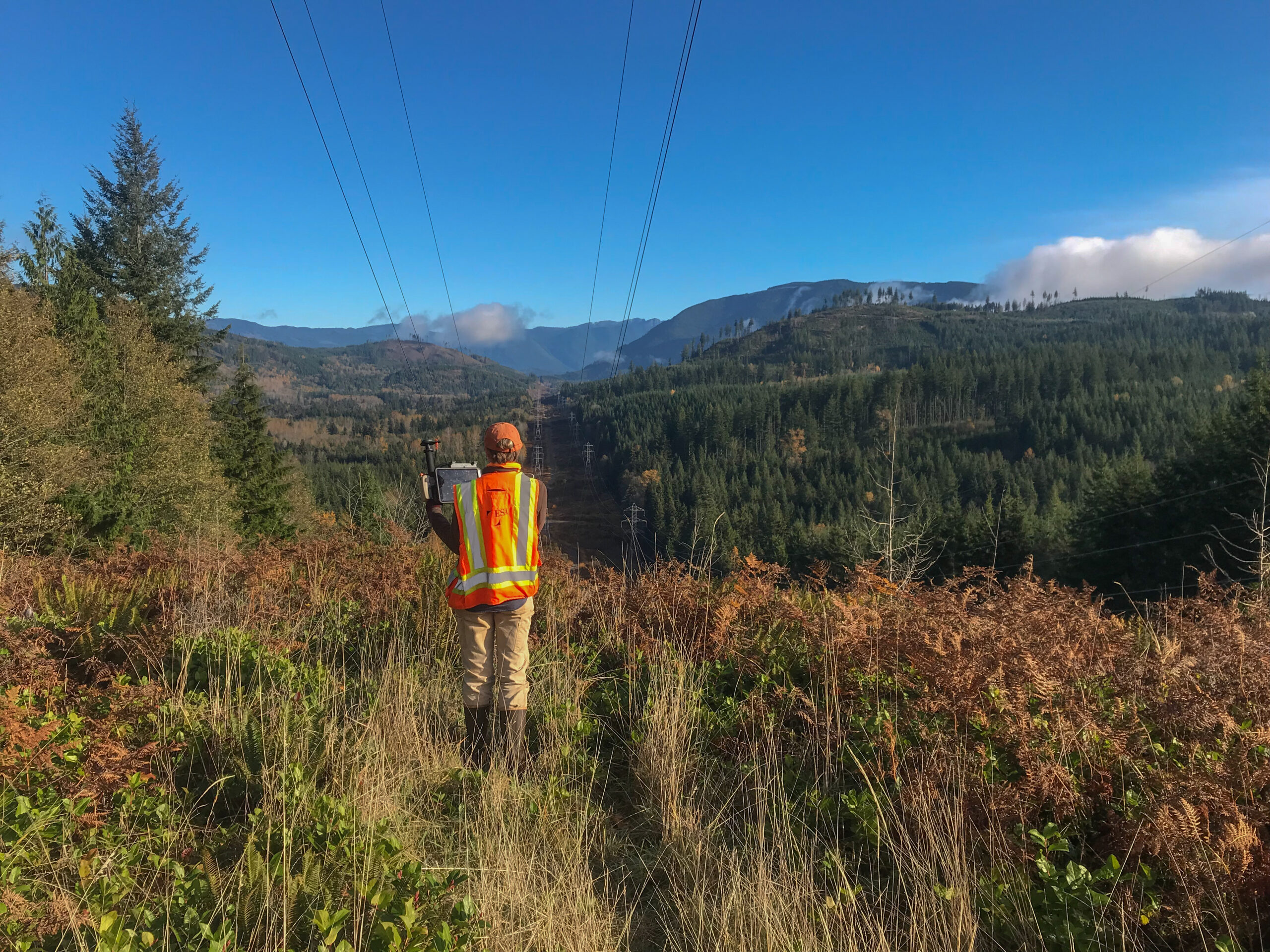
As a subconsultant to HDR, ESA led the vegetation, wetland, invasive species, goshawk habitat and rare, threatened, and endangered (RTE) plant studies across the 4,300-acre project area. To support these studies, as well as licensing and long-term land management planning, ESA conducted extensive field surveys and habitat assessments, including wetlands, rare plants, amphibians, and wildlife habitat. The survey area includes portions of the Mount Baker-Snoqualmie National Forest (managed by the U.S. Forest Service) and Ross Lake National Recreation Area within the North Cascades National Park (managed by the National Park Service).
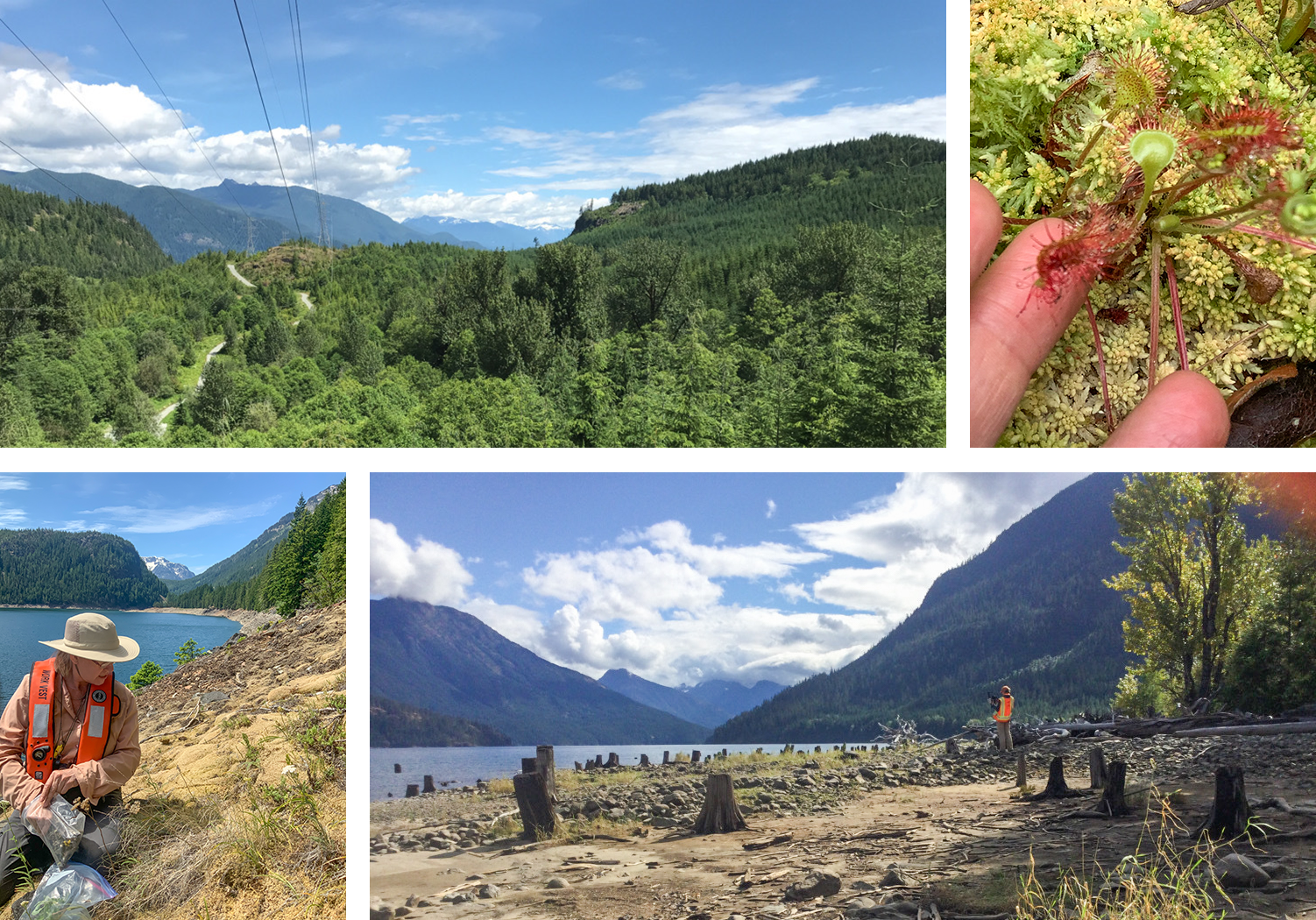
ESA’s GIS and data science team developed advanced remote sensing and machine learning tools—using LiDAR and satellite imagery—to streamline field efforts and produce predictive mapping of wetlands and vegetation. This approach improved efficiency and informed study design across a large and complex landscape.
ESA also led the Terrestrial Resources Work Group, collaboraing with federal and state agencies, Tribes, and other stakeholders to develop the study plans. Our studies and associated data supported Endangered Species Act compliance and the NEPA Environmental Impact Statement (EIS), and contributed to technical documentation required for FERC’s integrated licensing process and long-term settlement agreement.