


Adaptive Management
Adaptive management is an iterative process. It allows managers to make decisions in the face of uncertainty, with a focus on learning and adapting.
It involves defining objectives, determining desired conditions, selecting and monitoring indicators and performance standards that reflect these desired conditions, and taking management action when these conditions are not being realized.
ESA develops adaptive management programs for ecosystem restoration, water supply and flood management projects, and parks and open space preserves. Regulatory agencies increasingly require adaptive management plans to meet permitting requirements. ESA uses adaptive management principles to help managers achieve project success and ensure effective long-term stewardship. Our monitoring and adaptive management plans―based on science―balance needs for resource use, habitat protection and restoration, public use, and sustainable management.
Our Expertise Covers:
- Coastal Zone Management Act
- Community and ecosystem adaptation plans
- Construction monitoring
- Landscape architecture
- Restoration
- Wetland/aquatic resource delineations
- Worker environmental awareness programs (WEAP)
Connect with our team




Featured Projects
-
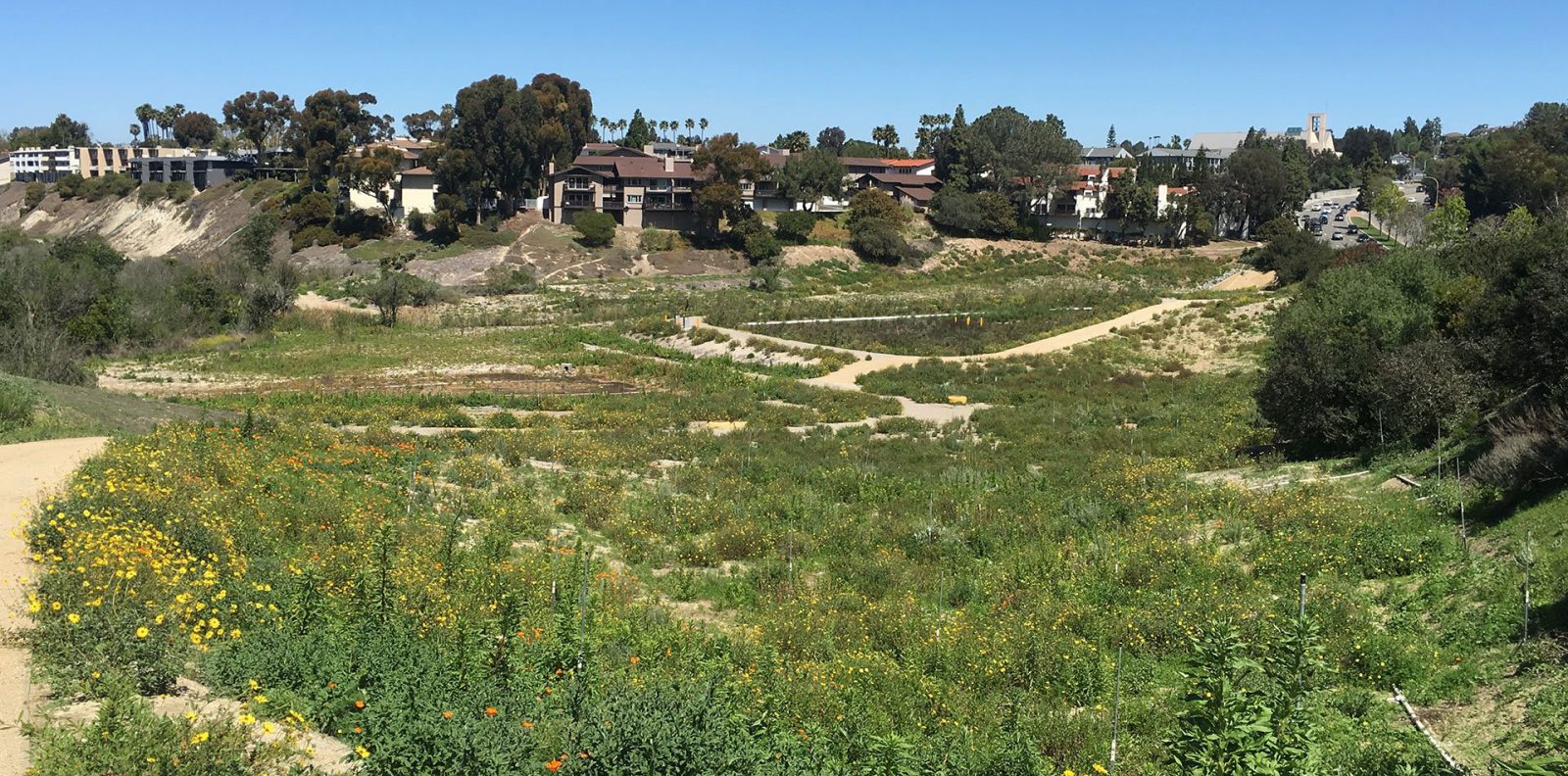
Natural Resource Management
Big Canyon Coastal Habitat Restoration and Adaptation Project
Newport Beach, California
-
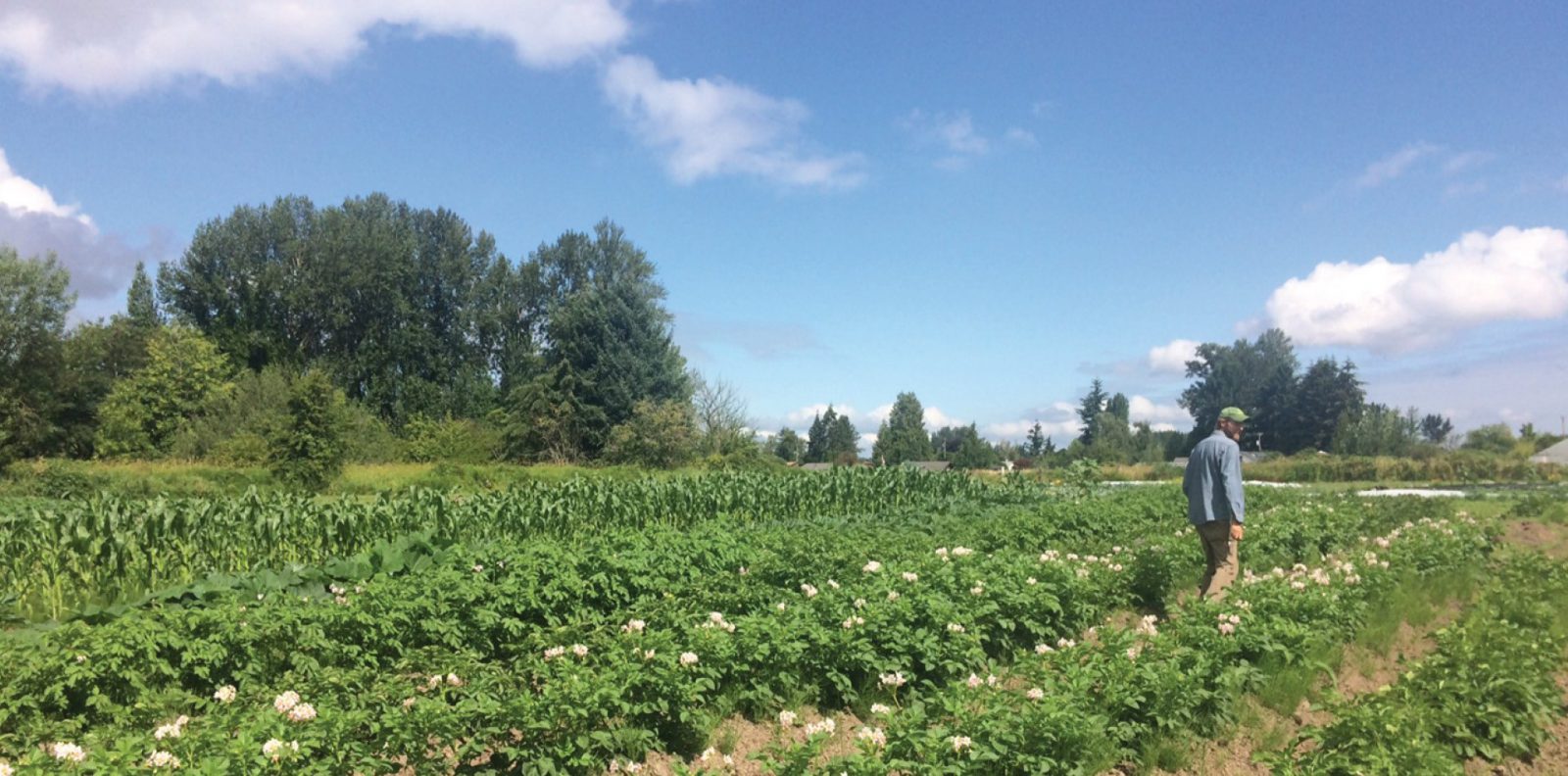
Farming in the Floodplain Project
Pierce County, Washington
-
-

Natural Resource Management
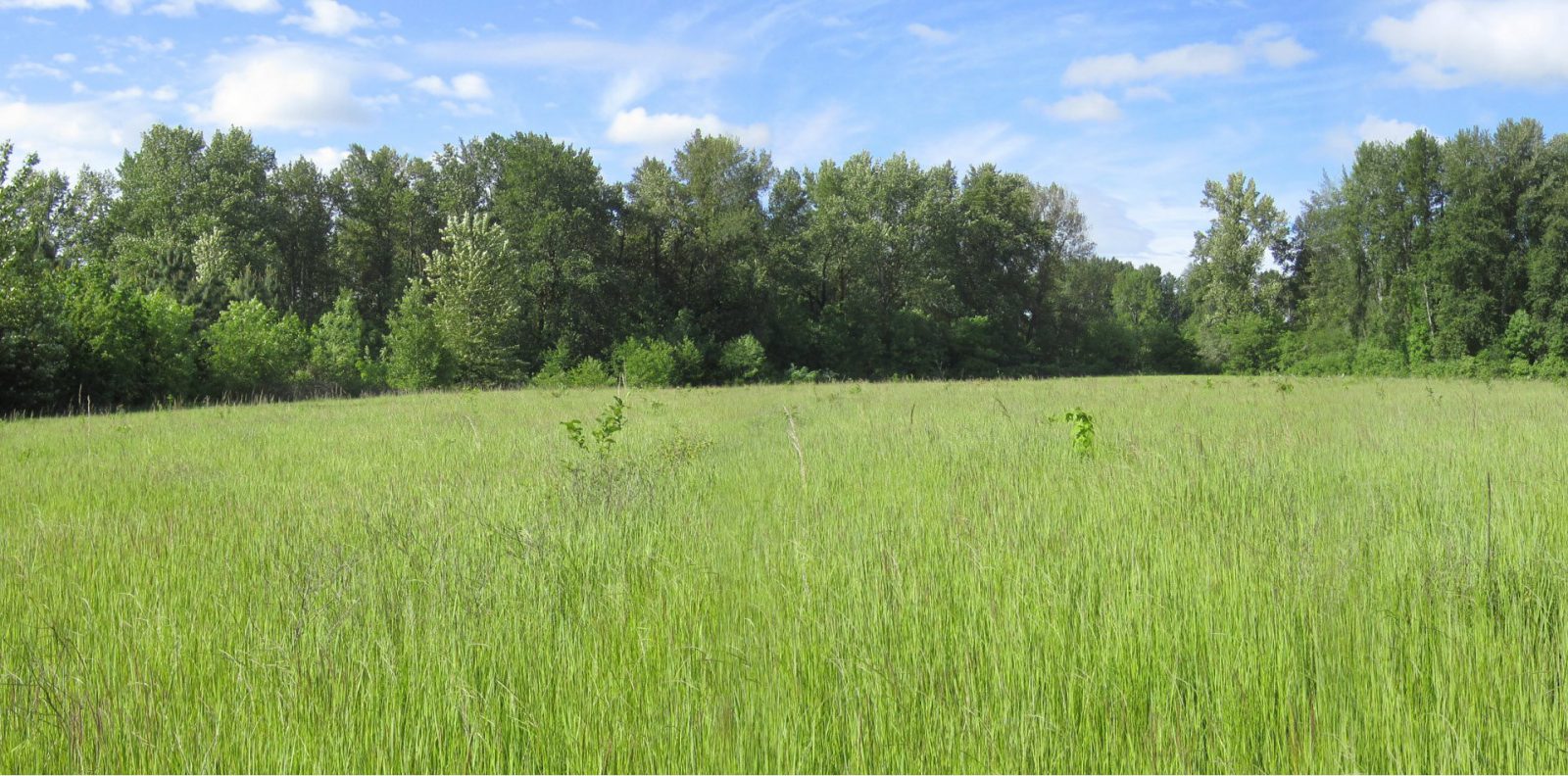
Puget Sound Nearshore Ecosystem Restoration Project
Puget Sound, Washington
-
News & Ideas
-

The Bipartisan American Affordability and Jobs Act of 2026 proposes sweeping permitting reforms. Eric Beightel…
-

ESA’s policy leaders will discuss the recently introduced bipartisan permitting reform language, final rules affecting…
-

California has signed AB 2051 into law, setting the stage for coastal resilience permitting reforms.…
-

Early environmental compliance planning can help projects reduce delays, avoid redesign, manage mitigation, and improve…
-

California’s El Niño emergency declaration prioritizes environmental permitting and agency coordination to help communities prepare…
-

What the return to species-specific Section 4(d) rules means for project planning, permitting, and compliance.