Why does this project matter?
The spread of aquatic weeds is an immediate threat to Lake Tahoe and solutions need to be effective, minimize environmental impacts, comply with regulatory standards, and be technologically and economically feasible. By testing methods for controlling aquatic weeds in designated test areas of the Tahoe Keys lagoons, we will determine the most effective methods to reduce the spread of these weeds to other parts of Lake Tahoe.
What is ESA doing to help?
As a specialty subconsultant supporting a larger team, ESA is the technical lead responsible for collecting and analyzing data to understand the impacts of the proposed test methods and alternative management options on the aquatic environment.
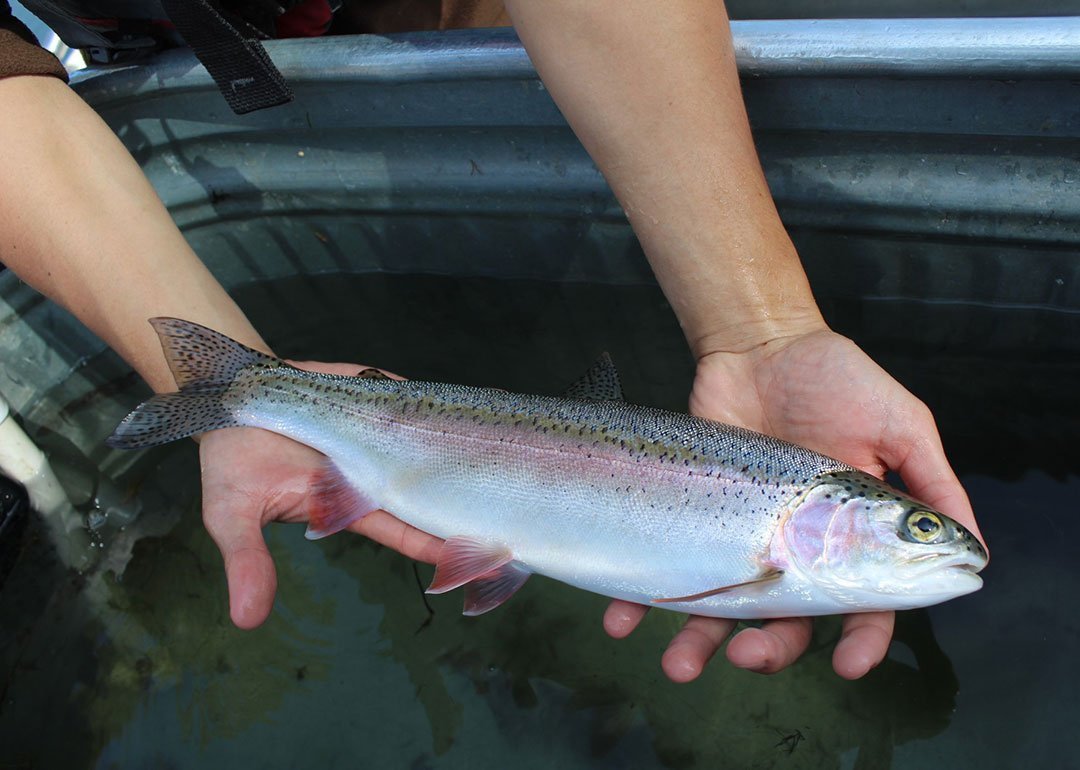
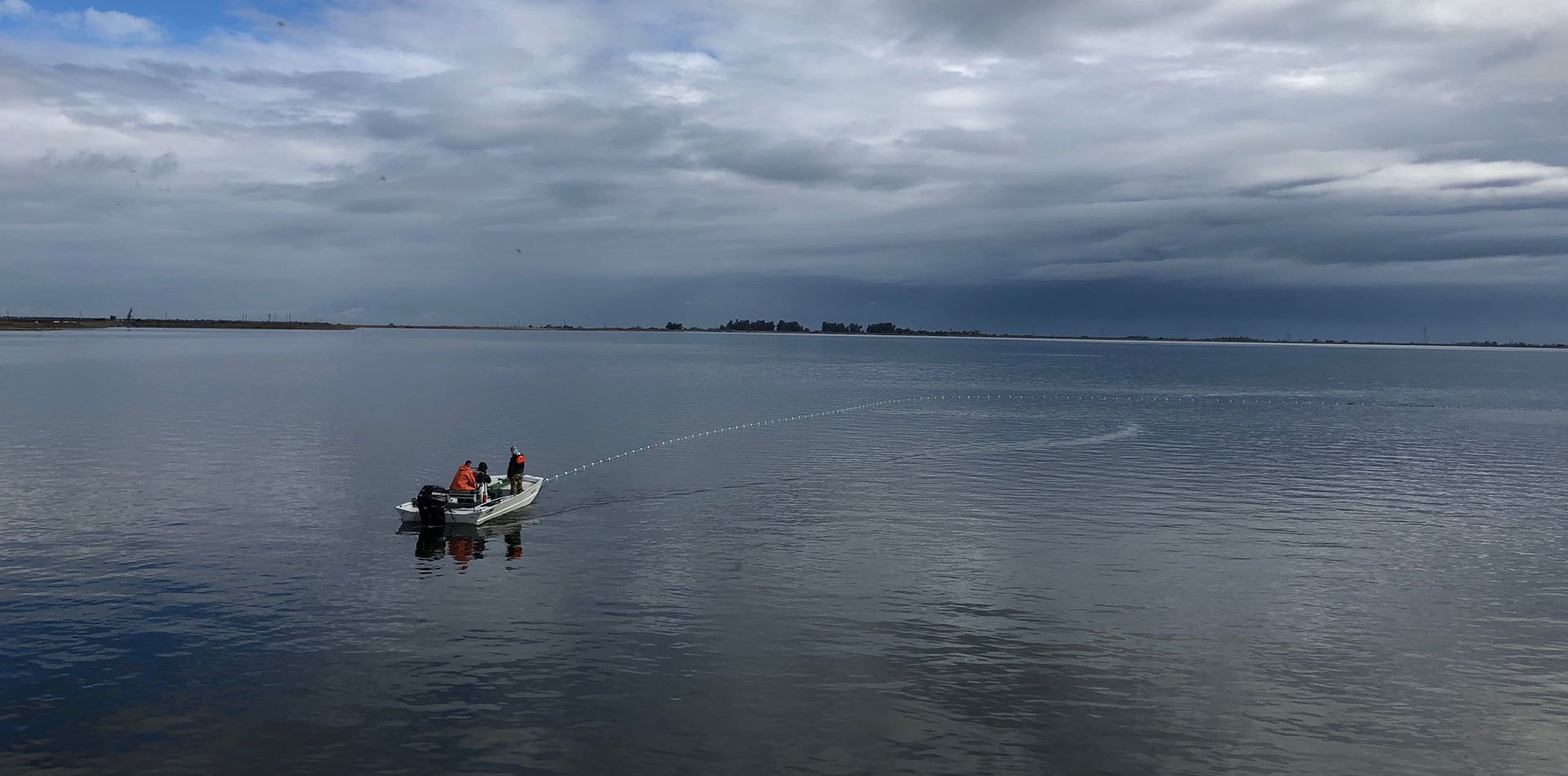
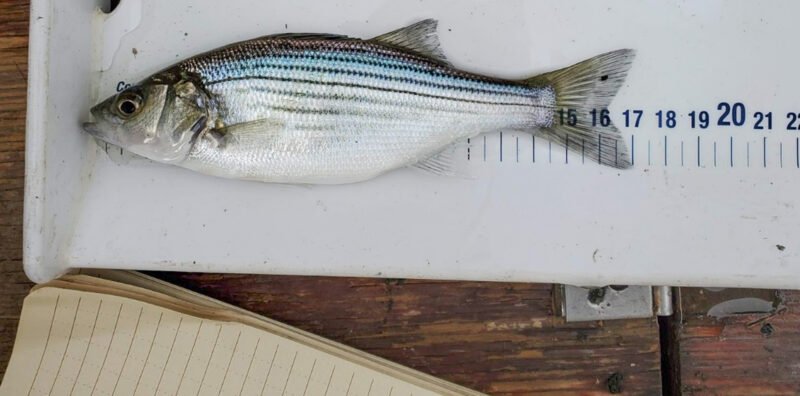
The team is engaged in a public process to conduct the environmental analyses in a combined Environmental Impact Report/Environmental Impact Statement (EIR/EIS) to meet California Environmental Quality Act (CEQA) and Tahoe Regional Planning Agency (TRPA) requirements. To support the analysis, we conducted extensive baseline water and sediment sampling, fish surveys, and benthic macroinvertebrate surveys throughout the lagoons.
ESA has developed a nutrient cycling model to understand how project actions could affect harmful algal blooms. Because of Lake Tahoe’s status as an Outstanding National Resource Water, ESA is also preparing an antidegradation analysis to evaluate whether the project can meet the highest standards for protection of water quality and beneficial uses.