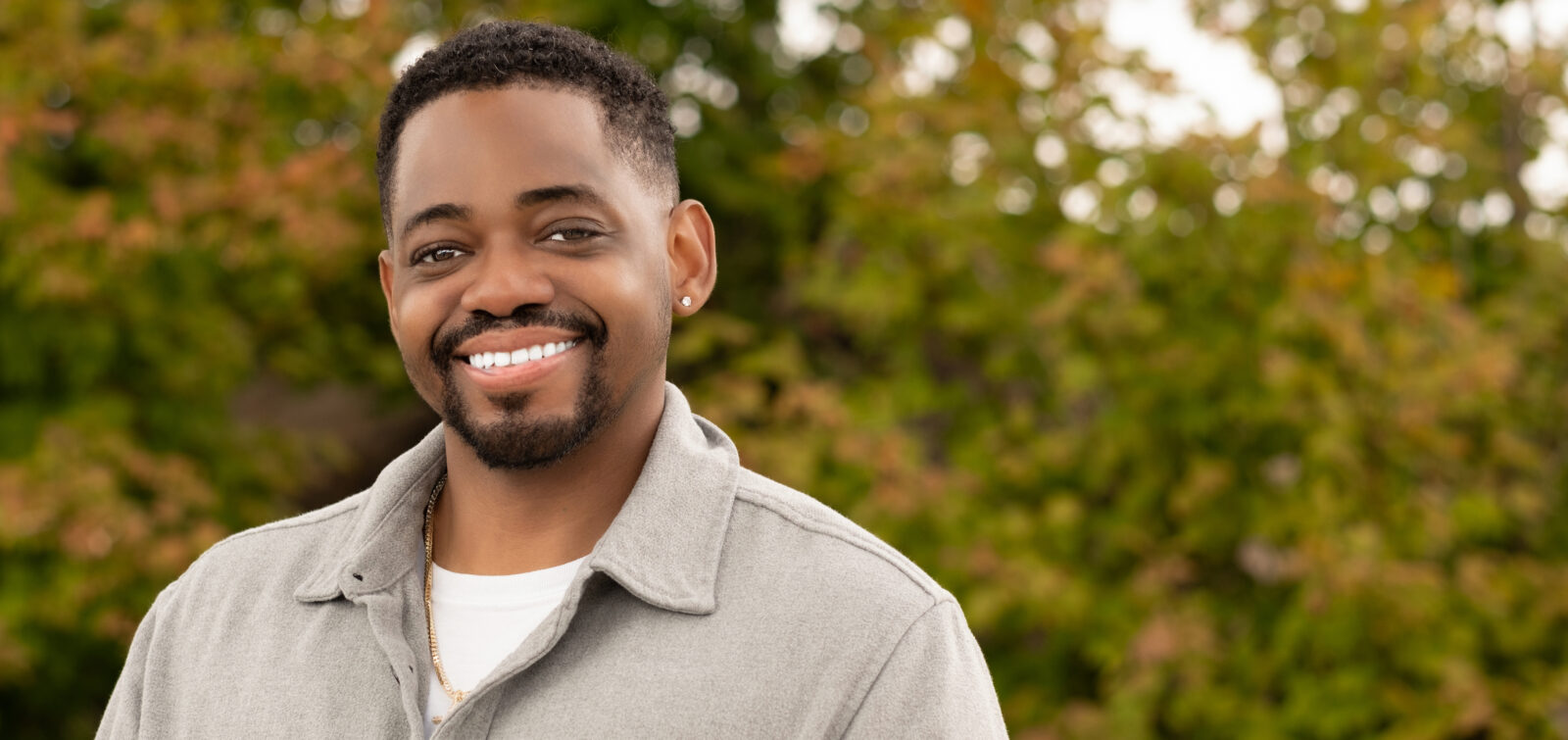

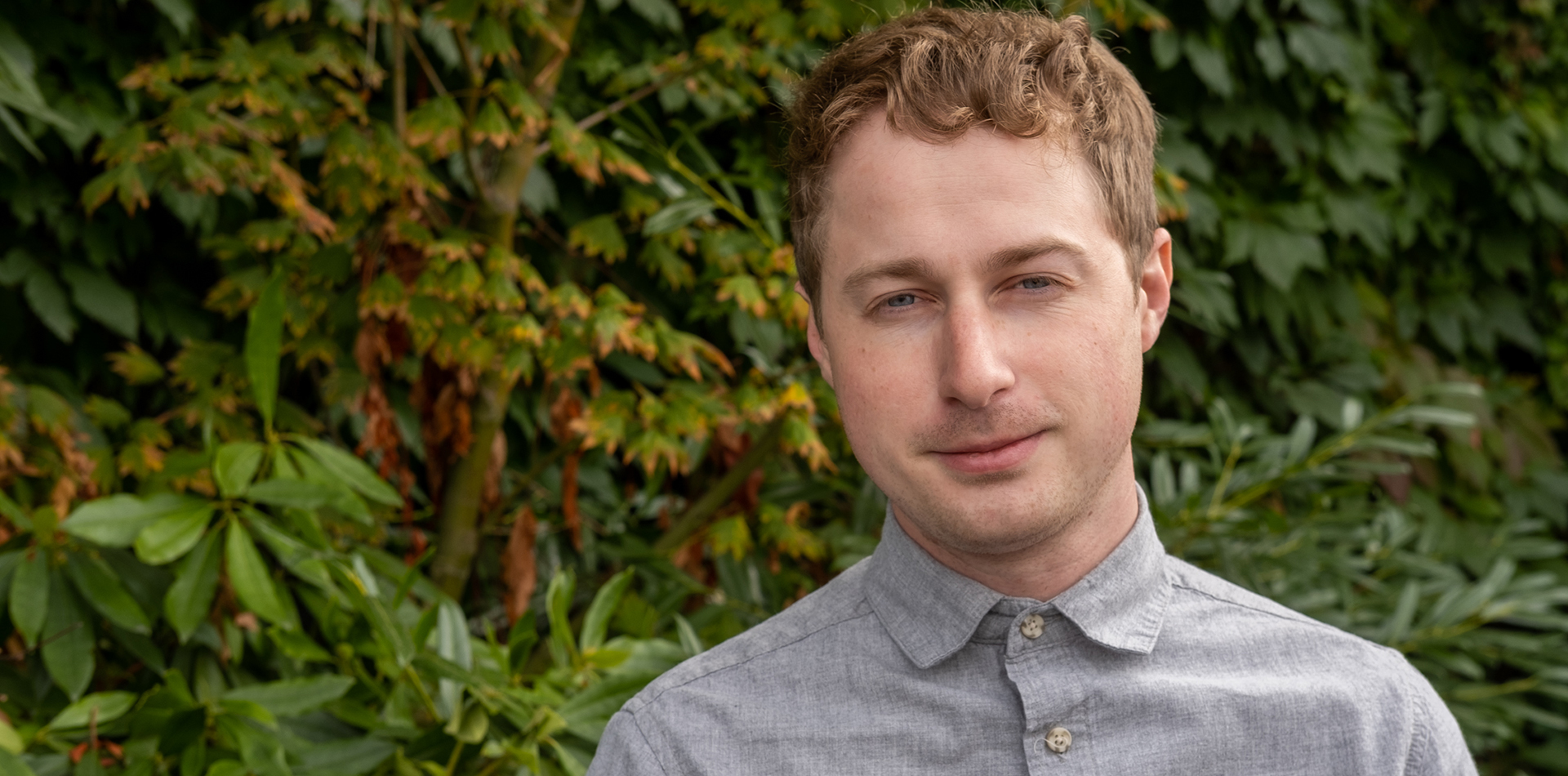
Daniel Beckley is an environmental planner whose work focuses on helping communities plan for a more resilient future. He supports projects spanning climate resilience, hazard mitigation, watershed management, long-range planning, and public engagement. Before joining ESA, Daniel worked as a municipal planner, where he helped shape local policies and led planning efforts focused on watershed protection, downtown development, transportation, and community growth.
What is your favorite ESA moment/memory so far?
Aside from the joyful memory of being hired, the Seattle Annual Ornament Exchange is always a delight that makes for memorable, festive moments. The 2022 exchange had a lot of laughs and I brought home a cherished octopus ornament.
What does it mean to you to be part of an employee-owned company?
Being part of an employee-owned company is like being part of a community that is working towards a shared goal, which we are all invested in. It’s an important reminder of the value of our work. In that, it feels like employee-owners take a lot of pride in their work and are committed to high-quality work because they identify more closely with the organization that they are a part of.
What keeps you coming to work here at ESA every day?
A desire to keep working with leaders in environmental planning and restoration projects. Each day offers the possibility of learning something new, whether from the projects I’m working on or from the brilliant minds on one of our many other projects.
What is your hidden or special talent(s)?
Just winging it without a recipe when cooking. Please note this is not a reflection of my professional approach to planning.
What’s your favorite thing to do when you are out of the office?
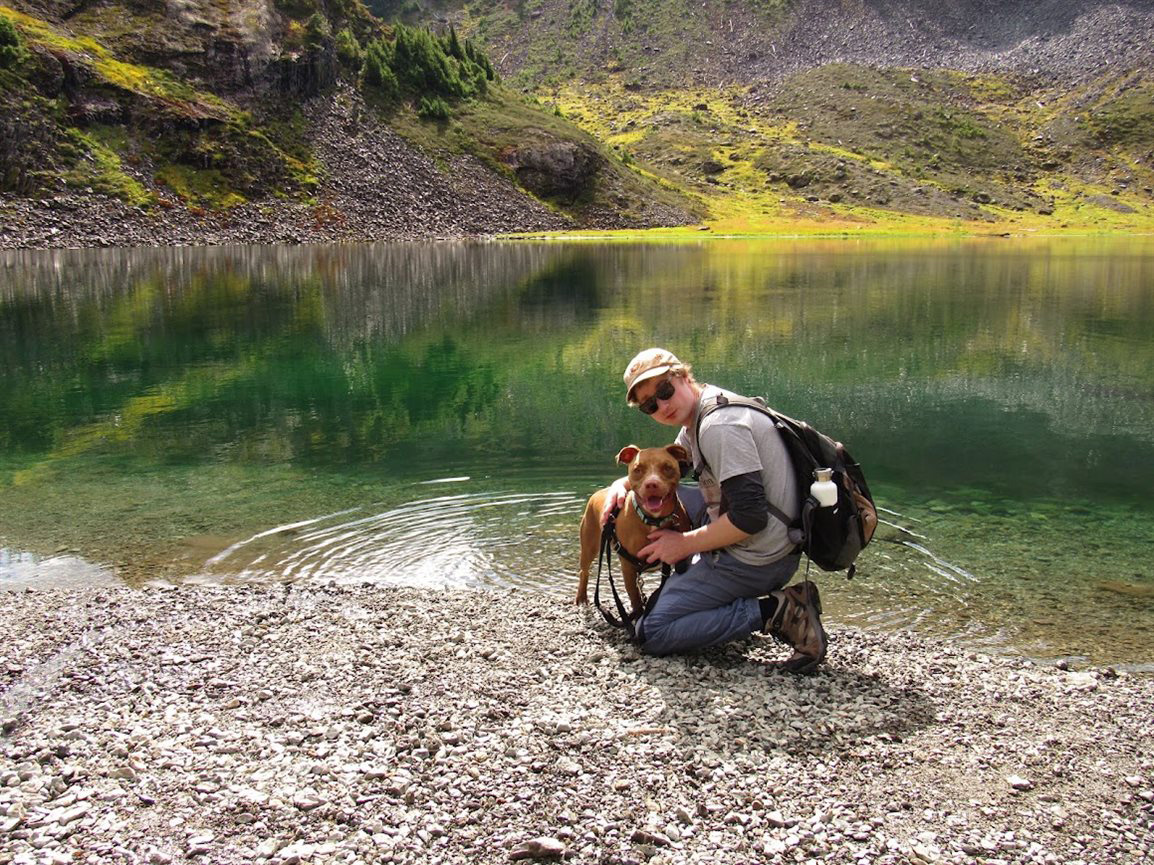
Hiking, of course, as well as taking a moment to appreciate the many big and small wonders that nature has to offer.
If you had one free hour each day, how would you use it?
Based on past experiences, I would probably try to read a book in my backlog for a short while before inevitably caving and going on a walk with my dog instead.
What are three skills that you bring to the ESA team? In other words, what should colleagues know to reach out to you about?
- Environmental permitting
- Policy research/code review
- Floodplain management
In a nutshell, what kind of work does your team do?
The Environmental Planning team I work with guides clients through regulatory approval processes, from initial review of applicable codes to preparing permitting and environmental impact documentation. We support clients through a wide array of utility, infrastructure, and environmental projects. Others in the Environmental Planning Practice are also experienced in long-range and comprehensive planning projects.
Describe your role at ESA and the type of work you do.
I am an environmental planner, drawing from experiences in land use planning, climate adaptation and hazard mitigation, and community engagement. My work often involves researching permit pathways for capital projects, preparing land use and environmental permits, and assessing environmental impacts of projects. I occasionally have the wonderful opportunity to support efforts in floodplain restoration and nature-based solutions through more strategic planning efforts, involving preparing studies, data analysis, grant writing, and partner collaboration.
What’s been your favorite project to work on here at ESA and what impact did it have on the community and/or environment?
The Snohomish and Stillaguamish Rivers Flood Hazard and Climate Change Vulnerability Assessment was one of the first projects I worked on at ESA and immediately grabbed my interest. The project utilized modelling data of future flood and climate conditions to identify potential on-the-ground impacts to the built and natural environment from changing hazards. I love anything that involves doing a deep dive with maps and data. This project involved taking an in-depth look at how climate and flood impacts would change across communities to help provide the public with a better understanding of potential risks and challenges to adaptation. This resulting Vulnerability Assessment has been used by the client and their partners to inform integrated floodplain management efforts in the Snohomish and Stillaguamish River Basins, including in support of multi-benefit floodplain restoration projects that ESA has also supported.
Have you had the opportunity to work on any career-defining projects?
Every project I’ve worked on at ESA is likely to define my career to some extent, simply from how much I learn each time I collaborate with my hard-working colleagues on something new. However, in that same vein, performing a 50-State Integrated Floodplain Management Assessment for the nonprofit American Rivers was probably the most eye-opening and data-intensive project I have worked on. Working with a team to compile data on the ins and outs of floodplain management for each state (policies, stakeholders, flood risk, funding sources, etc.) taught me things that I will undoubtedly put to good use throughout my career. That said, I still have plenty of time for another career-defining project.