
| At a glance: • California Senate Bill (SB) 149 establishes a target of resolving CEQA litigation within 270 days for certified infrastructure projects. • The law applies to qualifying projects which are certified by the governor within the water, transportation, energy, and semiconductor sectors. • SB 149 does not change CEQA environmental review standards, but streamlines litigation procedures. |
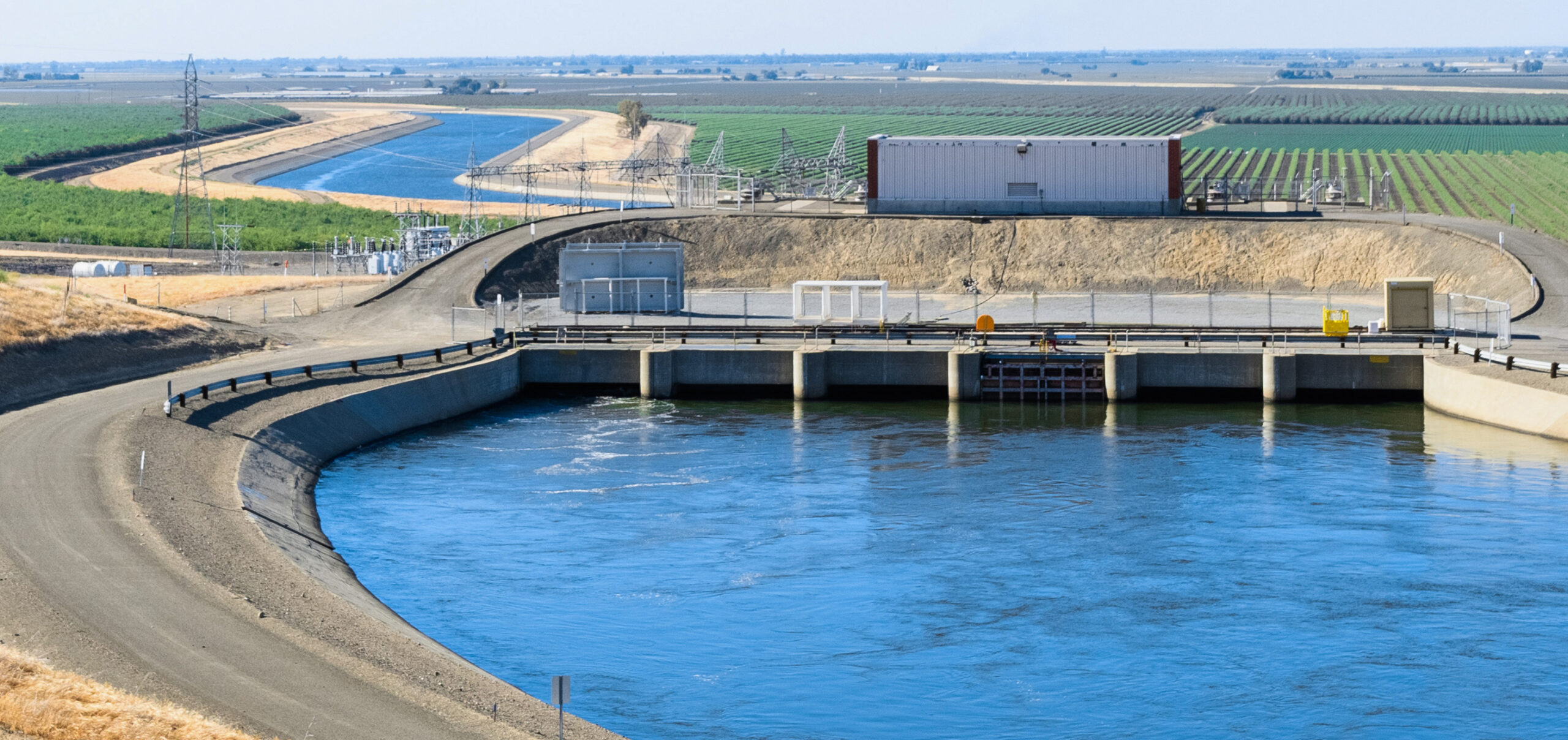
In California’s complex infrastructure development process, schedule certainty is essential for successful project delivery. Senate Bill (SB) 149, enacted in 2023, addresses this challenge by establishing a goal to resolve California Environmental Quality Act (CEQA) litigation, including both trial and appellate proceedings, within 270 days for qualifying infrastructure projects, “to the extent feasible.” The law applies to critical projects in the water, transportation, energy, and semiconductor/microelectronic sectors (see specific project types in the table below).
Importantly, SB 149 does not alter CEQA’s substantive environmental review standards, but rather modifies litigation procedures and establishes eligibility and certification criteria for judicial streamlining. The new law builds on the expedited judicial review framework established by the 2021 Leadership Act (SB 7), which was limited to certain housing and clean energy projects. For public agencies and applicants, the new legislation offers a meaningful tool to reduce schedule uncertainty while preserving rigorous environmental review.
| Infrastructure Type | Required GHG Standard | To Keep in Mind |
|---|---|---|
| Energy infrastructure (renewable generation, storage ≥20 MW, transmission, related manufacturing) | No net additional GHG emissions, including employee transportation (direct reductions, prioritized local/regional offsets). | Often privately sponsored; must meet detailed PRC §21189.81(d) criteria and binding GHG mitigation and reporting commitments. |
| Semiconductor/microelectronic facilities (manufacturing, R&D, supporting infrastructure) | No net additional GHG emissions, including employee transportation, with enforceable mitigation hierarchy. | Targeted to strategic chip/microelectronics supply‑chain investments; strong labor and community benefit requirements. |
| Transportation (state and local, including rail and ZEV infrastructure) | GHG neutral on a net basis; emphasis on mode shift, vehicle miles traveled reduction, and clean vehicle infrastructure; may account for lifecycle operational benefits. | Capped number of state and local projects; must align with Climate Action Plan for Transportation Infrastructure goals and meet safety/equity guardrails. |
| Water infrastructure (storage, groundwater recharge, recycled water, non‑seawater desalinization, canal/conveyance maintenance/repair, certain Prop 1 storage) | GHG neutral or better, using direct project reductions and, if needed, prioritized local/regional offsets; construction and high‑energy operations (pumping/ treatment) must be explicitly addressed. | Additional sector‑specific criteria (e.g., Sustainable Groundwater Management Act–compliant groundwater sustainability agencies for groundwater projects, and exclusion of Delta Conveyance) and strong disadvantaged community mitigation and benefit obligations. |
What Projects Qualify?
To qualify for this streamlined timeline, projects must obtain certification from the governor. This process requires applicants to demonstrate compliance with specific labor standards, community benefit obligations, and enforceable greenhouse gas (GHG) commitments.
While SB 149 imposes rigorous GHG requirements across the board, the specific standard varies by sector to reflect technical realities. Energy and semiconductor projects typically face a strict “no net additional” GHG emissions standard, which covers both direct emissions and those derived from employee transportation. Transportation projects are similarly held to a high bar, generally requiring net GHG neutrality, often accounting for lifecycle operational benefits. Water infrastructure, however, is held to a feasibility standard rather than a strict “no net additional” requirement. Applicants must demonstrate that GHG emissions will be mitigated “to the extent feasible,” with an analysis that explicitly addresses construction emissions and high-energy operations such as pumping and treatment.
Equity and Community Benefits
Judicial streamlining under SB 149 also includes safeguards for community concerns. Applicants across all sectors are required to avoid or minimize significant impacts to disadvantaged communities and overburdened communities. Where impacts are unavoidable, the law requires enforceable mitigation measures that directly benefit those affected communities, covering areas such as air quality, access to water resources, and traffic safety.
New Administrative Record Requirements
Beyond the certification process for specific projects, SB 149 has introduced changes to the CEQA administrative record process that apply to all CEQA cases, not just those seeking streamlining. The law now mandates that administrative records be prepared in electronic, hyperlinked formats to modernize the review process. For certified projects specifically, the applicant must pay for the record to be prepared concurrently with the environmental review process to ensure speed. There is also a big shift in potential costs: if a public agency elects to prepare the record itself, it cannot recover those costs from the petitioner.
For infrastructure developers and public agencies, SB 149 represents a strategic opportunity to manage litigation risk. To leverage this tool, applicants should build record preparation into their early schedules and budgets and draft CEQA findings with the 270-day litigation timeline in mind.
The First Test
Governor Newsom certified the first project for SB 149 streamlining in November 2023 with the Sites Reservoir project, a proposed off-stream water storage project in California’s Sacramento Valley. Multiple environmental and community organizations challenged the project’s environmental impact report, and the case proceeded through the trial court and appellate court, and the environmental impact report was upheld within the shortened timeline established by the new law. Construction is scheduled to begin in late 2026. At least three other projects are now in the SB 149 pipeline.
ESA is Ready to Support Your Infrastructure Project
ESA delivers rigorous technical analyses, airtight documentation, and strategic CEQA expertise for your critical infrastructure projects to confidently secure SB 149 certification and unlock accelerated judicial review. Contact ESA’s Southern California Air Quality, Climate, and Acoustics Director Alan Sako, LEED, AP BD+C for more information, and be sure to subscribe to our newsletter and follow ESA on LinkedIn for timely regulatory updates.
Author

Air Quality, Climate, and Acoustic Director
Date
February 5, 2026