Why does this project matter?
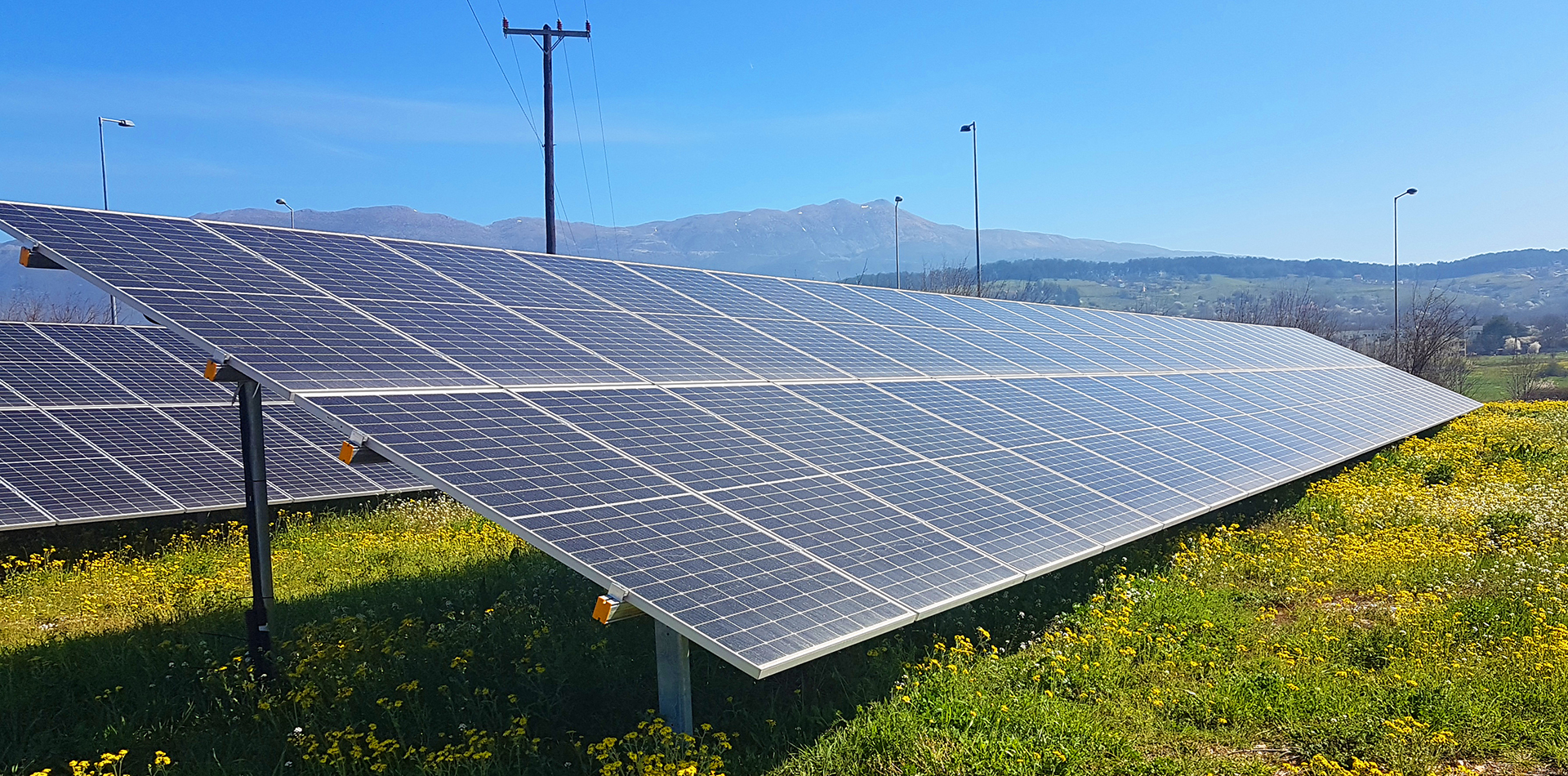
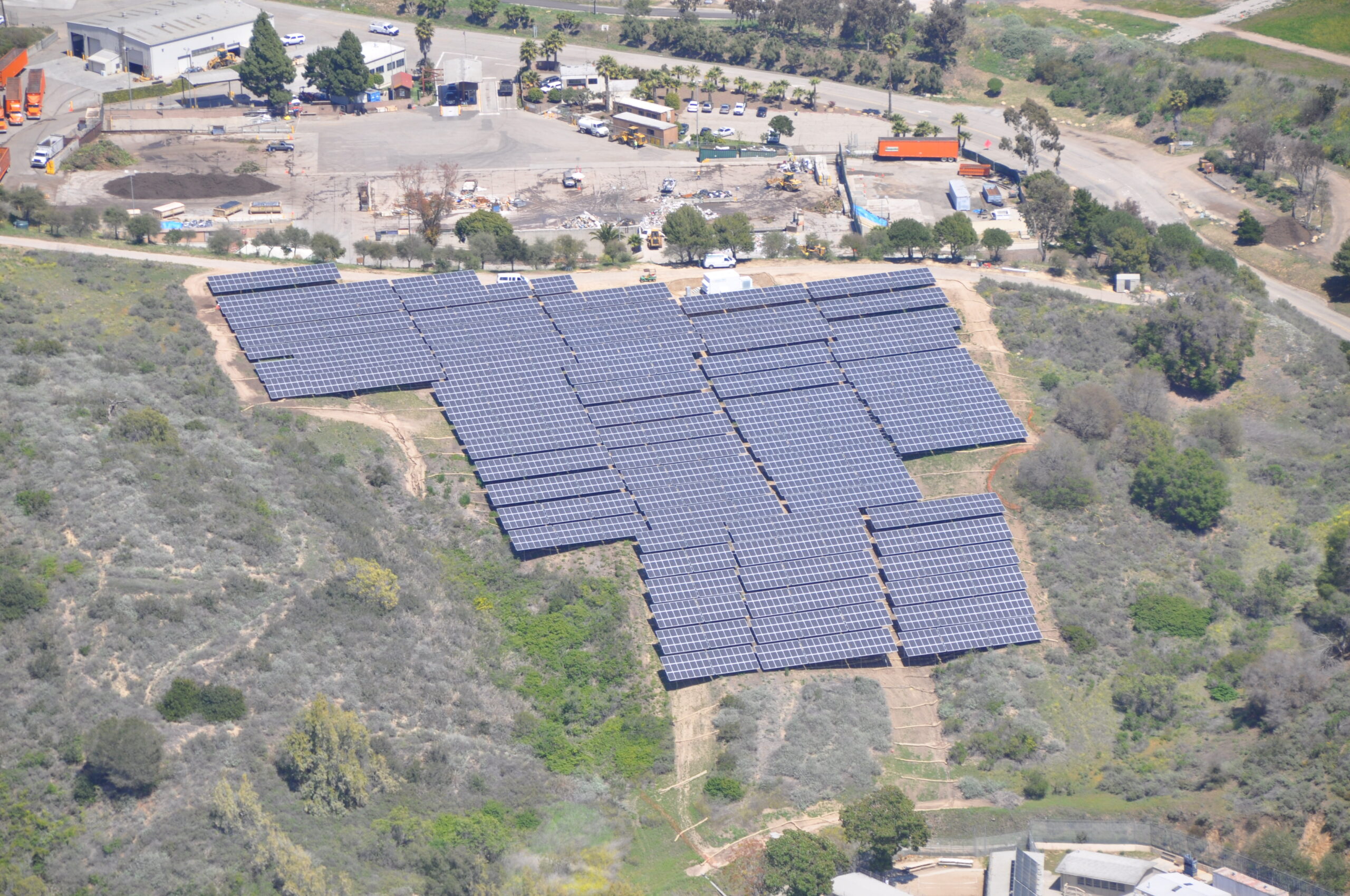
The project will fundamentally change where and how large-scale (and smaller scales of) solar energy can be developed in unincorporated coastal and inland areas, replacing the County’s existing 600-acre Cuyama Valley utility-scale solar overlay with a broader, tiered permitting framework applicable to eligible agricultural, industrial, institutional, and other nonresidential lands.
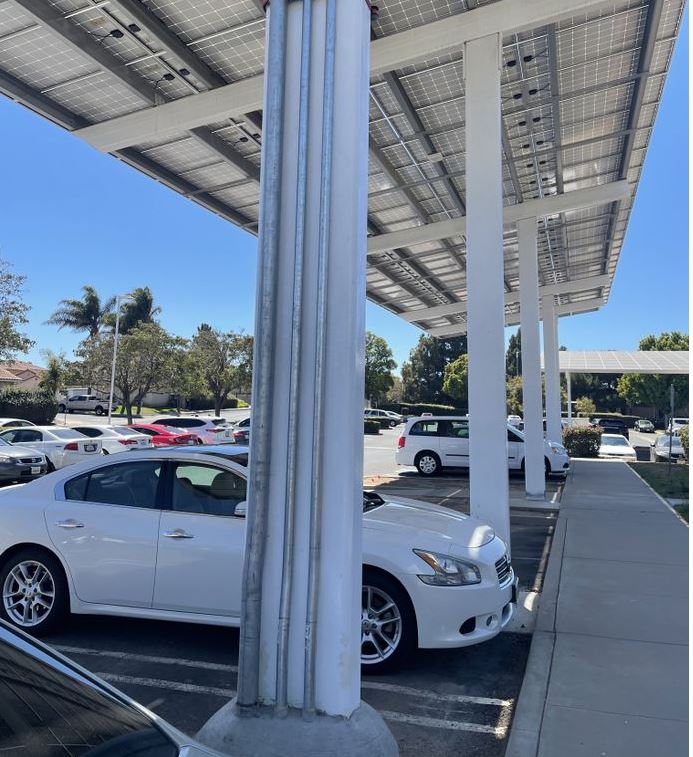 The project also streamlines the implementation of smaller-scale solar and battery storage project. The policy and regulatory amendments address the emerging intersection of renewable energy and agriculture by providing clear standards for solar development, including opportunities for solar energy generation on active agricultural operations.
The decision therefore represents a major policy choice about how the County will balance increased renewable energy generation and energy resilience against potential impacts on agricultural land, scenic resources, biological resources, and surrounding communities.
What is ESA doing to help?
The County initiated the project in-house in 2019 to help implement its Strategic Energy Plan, but it started and stopped twice due to competing staff and budget demands. The County Planning and Development Department hired Environmental Science Associates (ESA) in 2023 to help develop the regulatory framework and streamline the permitting process, facilitate targeted outreach, prepare the CEQA documentation, and support staff during the decision-making process to complete the effort.
ESA first evaluated and developed proposed amendments to the County’s Comprehensive Plan and Coastal Land Use Plan, three zoning ordinances, and the Williamson Act agricultural preserve rules. During this process, ESA explored approaches such as community-scale solar development, microgrids, and dual-use (agrivoltaic) projects and facilitated input from solar energy developers and community stakeholders. The effort also clarified the County’s permitting processes for utility-scale battery energy storage. ESA then quickly prepared the associated Program Environmental Impact Report to, in part, streamline environmental review and permitting of future solar energy projects. ESA helped translate the County’s renewable energy goals into a comprehensive, environmentally informed policy and permitting framework for future solar energy and energy storage projects. The County Board of Supervisors approved the project in 2026.