
“Oh, wow! Look at how many there are!” The group of biologists marveled when they held up a net containing several dozens of wriggling silvery green and speckled light brown salamanders, each roughly four inches long. To a non-biologist, the amphibian’s feathery external gills, hind legs, and fish-like tails appear to resemble axolotls, but these biologists know they are actually the federal- and state-listed California tiger salamander in their larval stage.
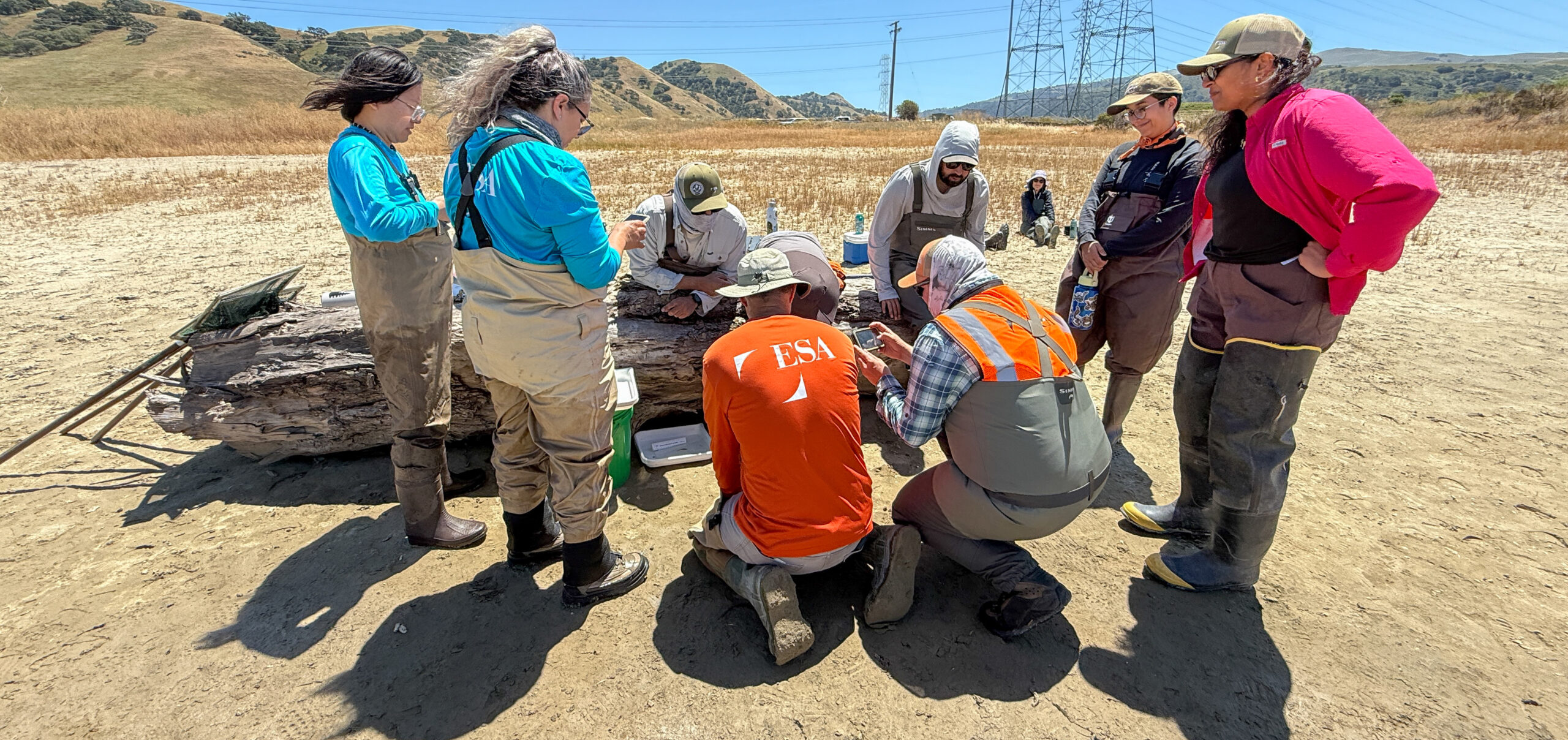
The group of twelve ESA biologists were observing and collecting data on the salamanders at a restored breeding pond and mitigation site in Sunol, California. Working knee-deep in the mud-brown water, they applied a variety of survey and observation techniques using dip nets, seine nets, and egg grids. In total, 126 California tiger salamanders were counted, recorded, and measured.
The biological survey was organized as part of an inaugural tiger salamander training workshop for ESA’s Biological Resources and Land Management practice. It is one of the many ESA educational programs designed to provide early-career biologists and those pursuing professional certifications with hands-on experience working with protected species.

“As demand to develop large-scale infrastructure and development projects grows, the environmental sector will need more qualified and experienced people.”
Barbra Calantas, Biological Resources and Land Management Practice Leader
“ESA’s educational programs developed by our permitted experts help us meet project needs by equipping our teams with essential skillsets and qualifications when projects have the potential to involve federal- and state-protected species,” shares Barbra Calantas, Biological Resources and Land Management Practice Leader. “This keeps projects running and strengthens our proficiency to apply environmental solutions across a wide range of project types and needs.”
Protecting Species, Supporting Projects
When a proposed project has the potential to affect rare plants, wildlife, or sensitive habitats, federal and state laws such as the federal Endangered Species Act and state endangered species acts, National Environmental Policy Act (NEPA), and state environmental policy acts such as the California Environmental Quality Act (CEQA) require that impacts such as habitat loss, disturbances to breeding or migration, or reduced access to food sources and shelter are considered.
Biologists survey project areas to confirm that impacts are considered and proper actions are taken to avoid or reduce harm to species. Their work involves conducting site evaluations and resource assessments, identifying potential impacts, assisting with permitting, preparing NEPA and CEQA documents, and overseeing construction compliance.
Field-Tested Skills
In Sunol, California tiger salamander training was co-led by ESA’s Wildlife Program Manager Brian Pittman and Wildlife Biologist Erika Walther, both of whom hold Section 10 federal Recovery Permits for the species. Pittman, a Certified Wildlife Biologist with more than 30 years of experience, developed the training with Walther to impart their expertise and shared knowledge to staff with limited to no experience working with the species.
The field workshop coincided with planned aquatic surveys at a California tiger salamander enhancement site and focused on hands-on survey techniques, as well as training in survey planning, habitat assessment, regulatory requirements, equipment use, and sanitation protocols. Pittman also discussed California tiger salamander ecology, emphasizing the importance of upland habitats where the species spends approximately 90 percent of its life in underground burrows. He noted that these upland habitats are a key consideration during desktop site assessments.
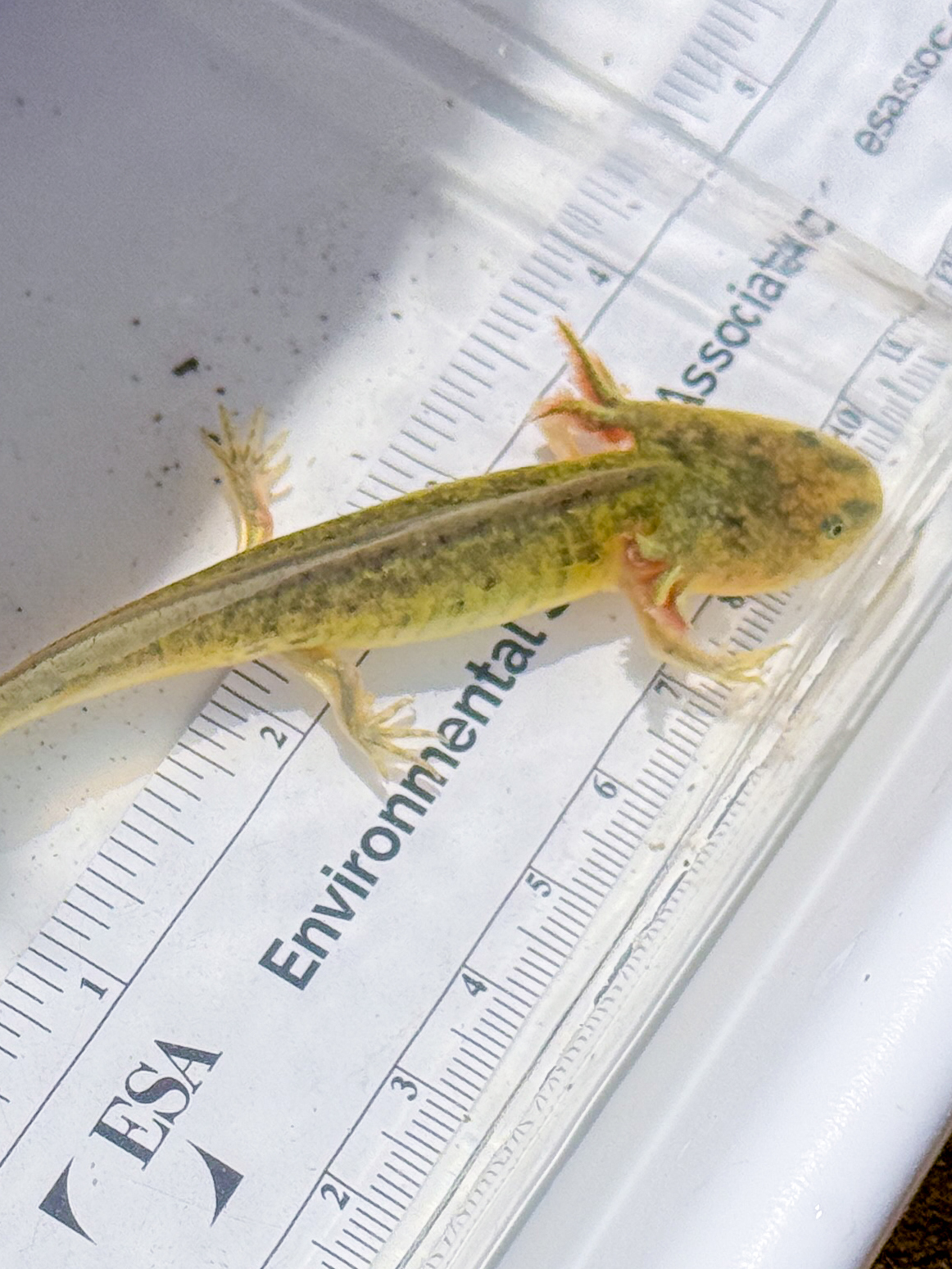
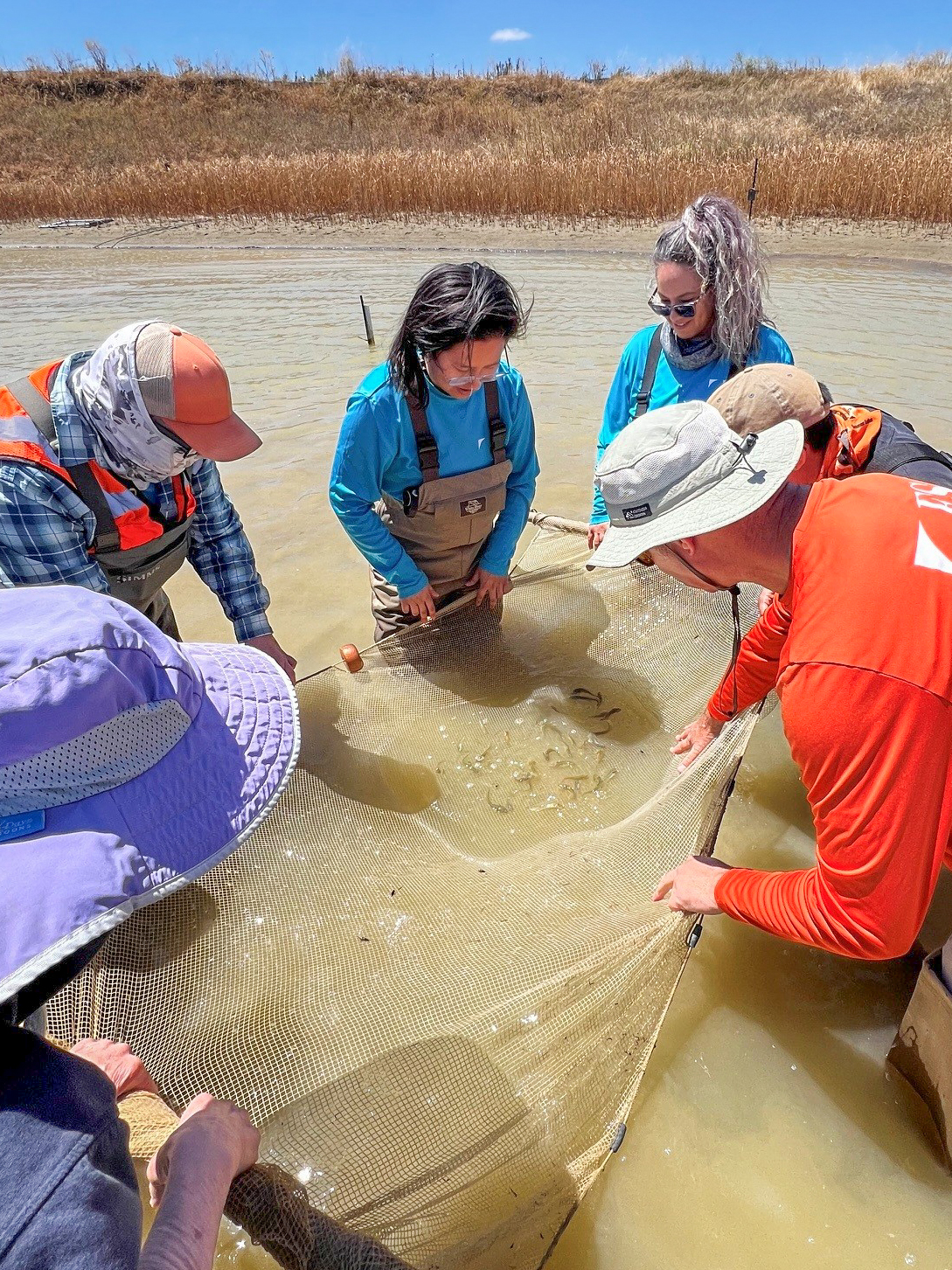
Left, a California tiger salamander in its larval stage was one of more than 120 counted and measured. Right, Wildlife Program Manager Brian Pittman, pictured on far right, leads California tiger salamander field workshop with ESA biologists, demonstrating seine net techniques.
The workshop provided a unique opportunity to tailor curriculum to ESA’s specific experiences across different projects and anticipated needs.
“We were able to focus the training on specific project planning requirements and address actual challenges we’ve experienced with these species in a way that you don’t get in other general trainings, which typically focus more on research,” says Pittman. “It’s much more personalized, and we were able to pare down to what people need to know in order to be a successful and knowledgeable consultant. Trainings like this are also one of the ways we provide a deeper bench of qualified staff to our clients.”
Crucial Biological Monitoring Skills to Meet Project Needs
State agencies often require biologists to demonstrate certain levels of direct field experience observing and handling protected species to qualify for permits or conduct work on projects that may affect those species.
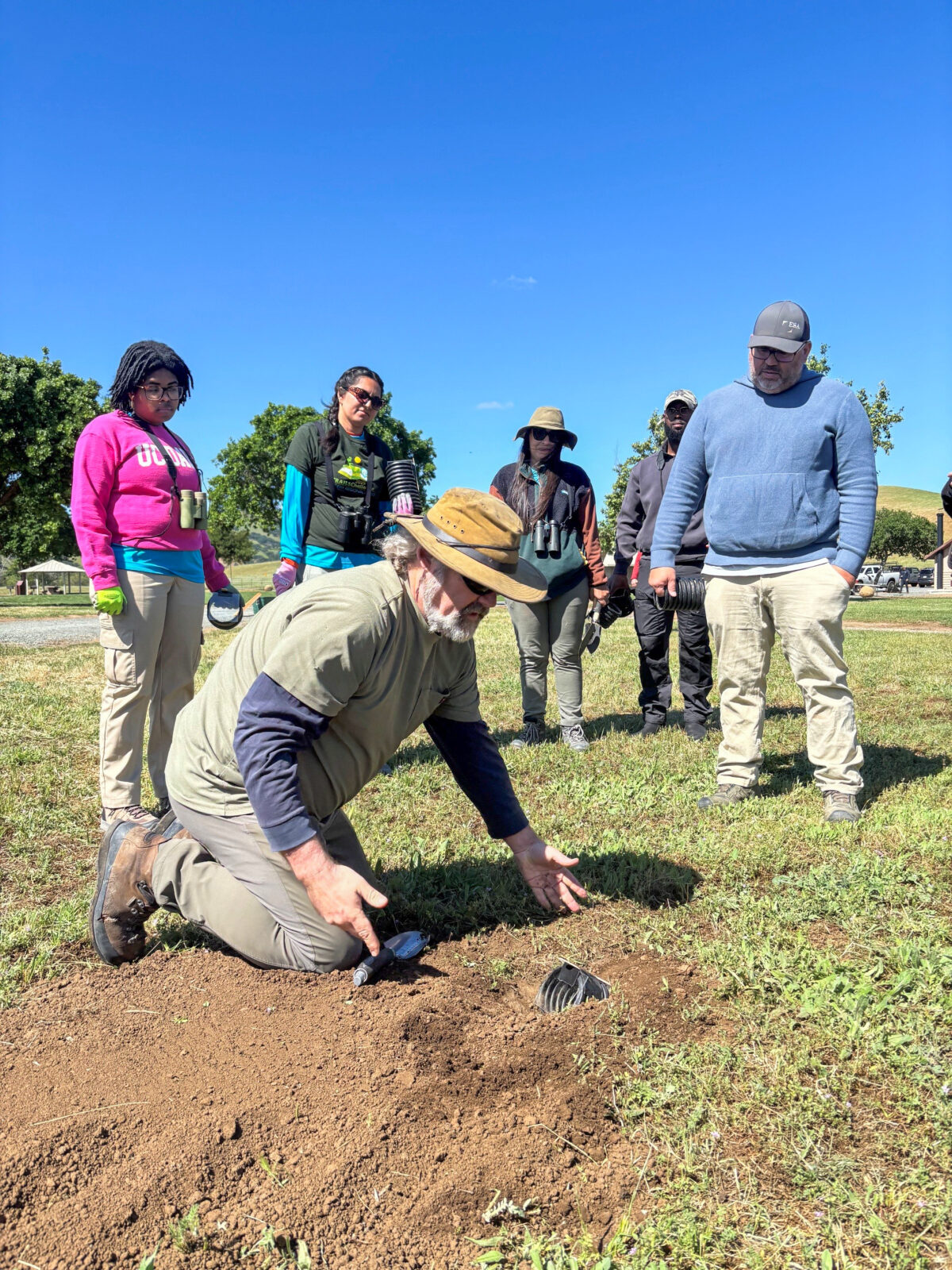
In Northern California, biologists Christy Pierce and Even Holmboe led a workshop for 35 team members, instructing them on how to construct and install a one-way door for burrows used by western burrowing owls, which are currently protected under the California Endangered Species Act. Pittman, who holds a California Department of Fish and Wildlife (CDFW) Specific Use Permit, also assisted with the training.
During the non-nesting season, CDFW may approve passively relocating these owls from project sites using the one-way door exclusion method. “CDFW requires biologists to be experienced in building the apparatus, so having so many new people trained will be a great help for immediate needs on projects,” says Pittman.
This type of on-the-job wildlife training is especially needed in the Southeast, which is experiencing a boom in major infrastructure projects. For the 2026–2027 fiscal year, Florida has proposed to invest roughly $15.4 billion in transportation projects, including its Moving Florida Forward Infrastructure Initiative program to construct dozens of congestion-relief projects throughout the state. Other slated projects in the state involve bridge replacements, freight parking facilities, airport expansions, water and wastewater infrastructure, and vertiport installations for Advanced Air Mobility services.
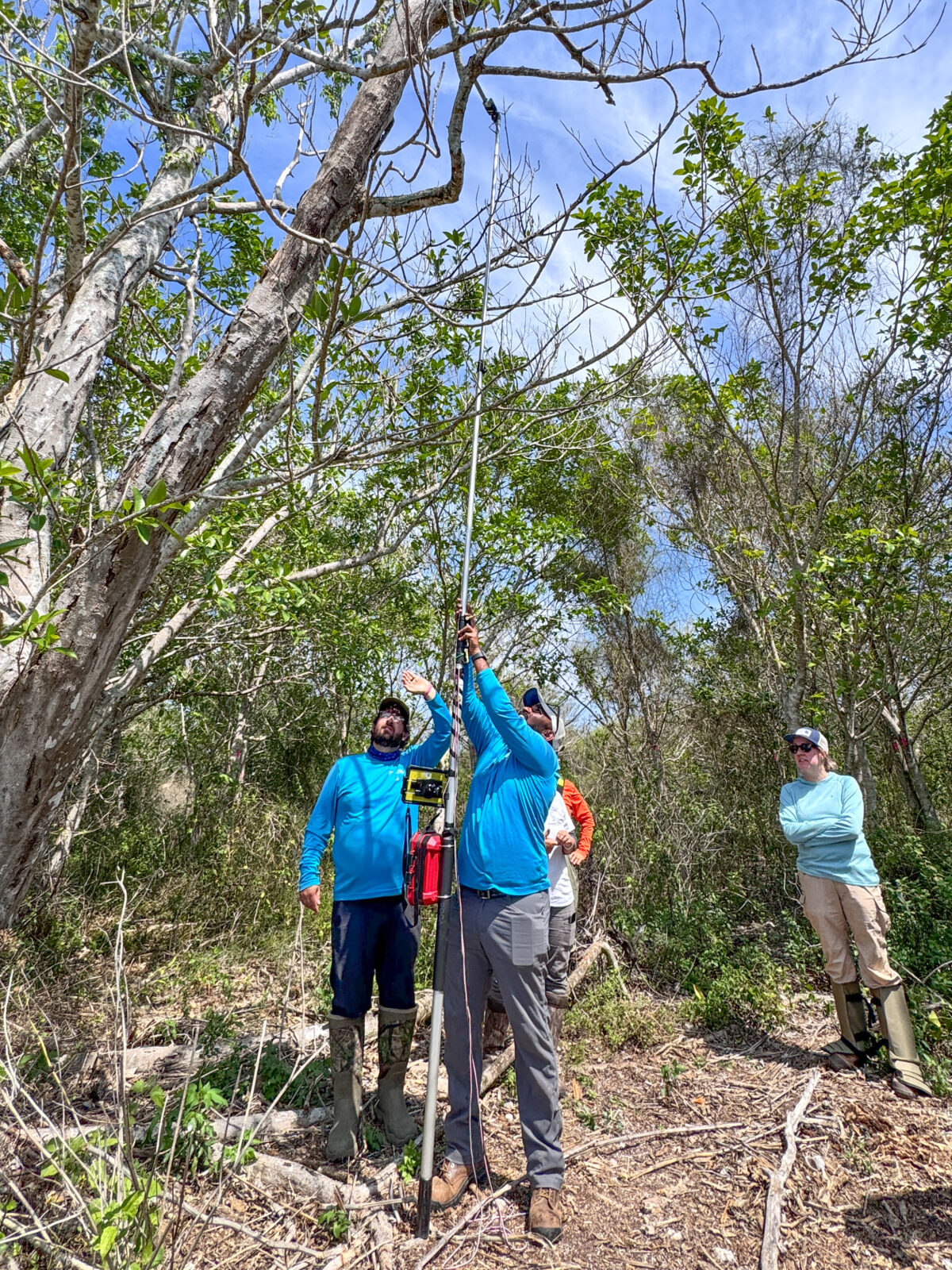
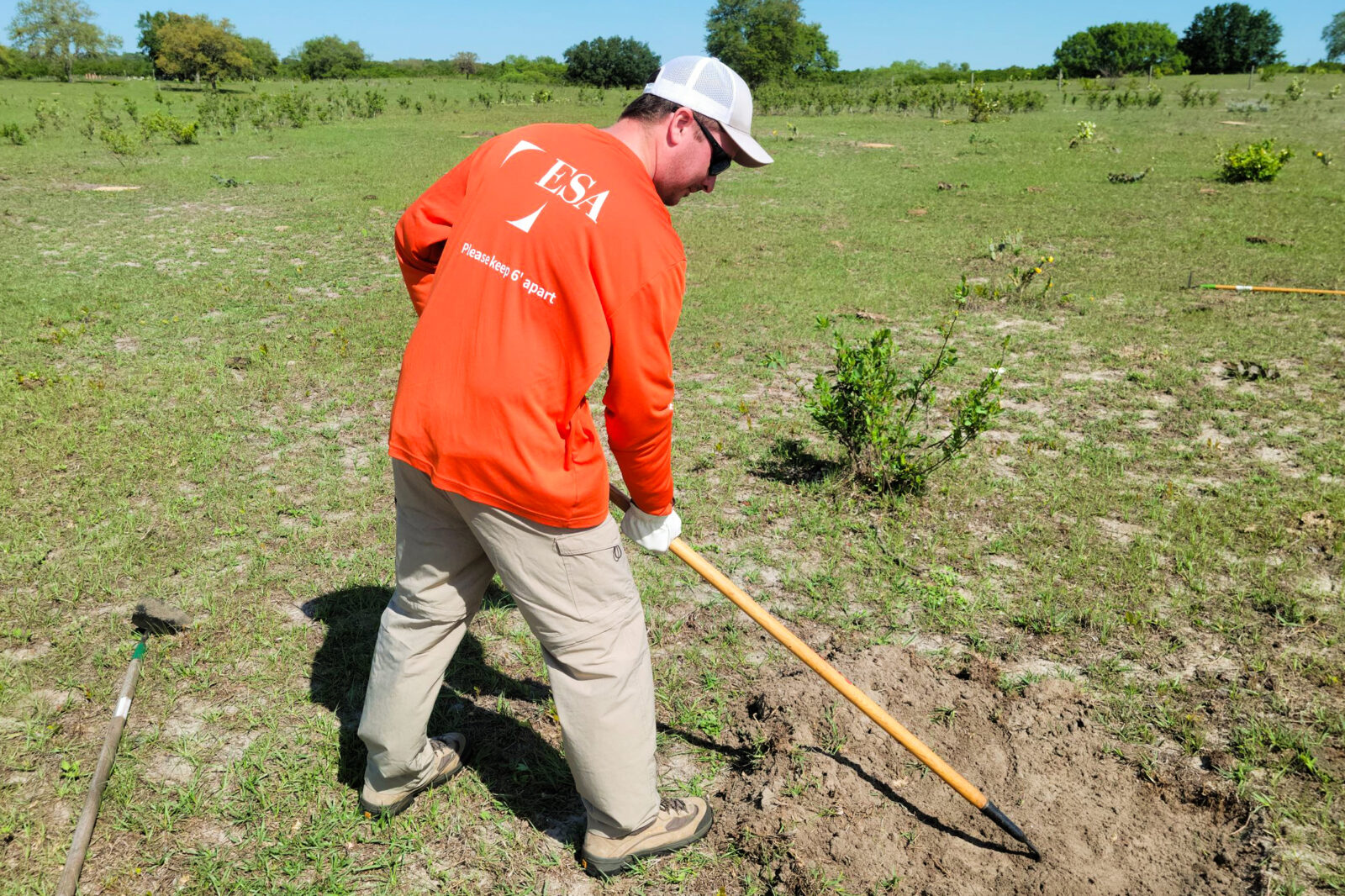
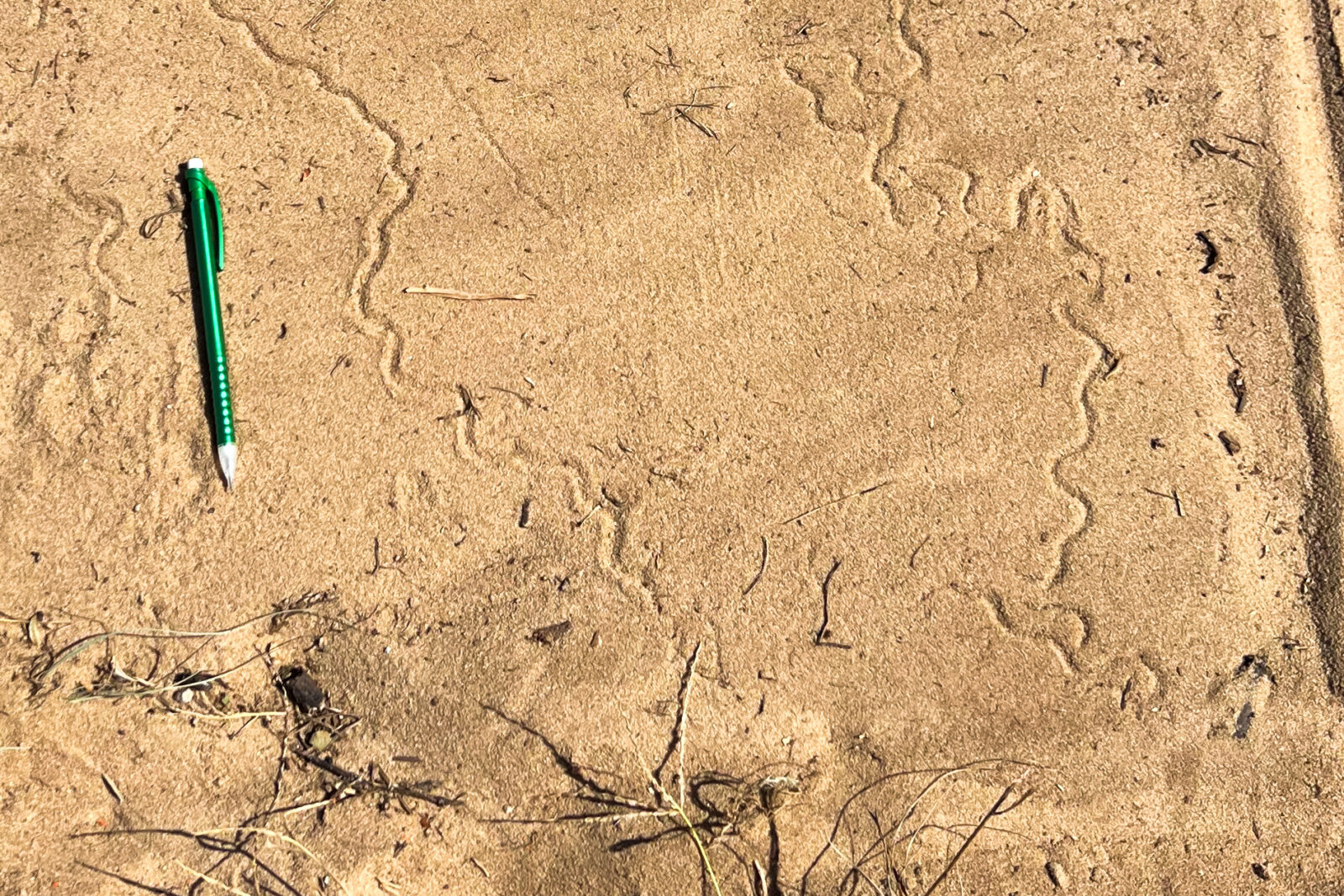
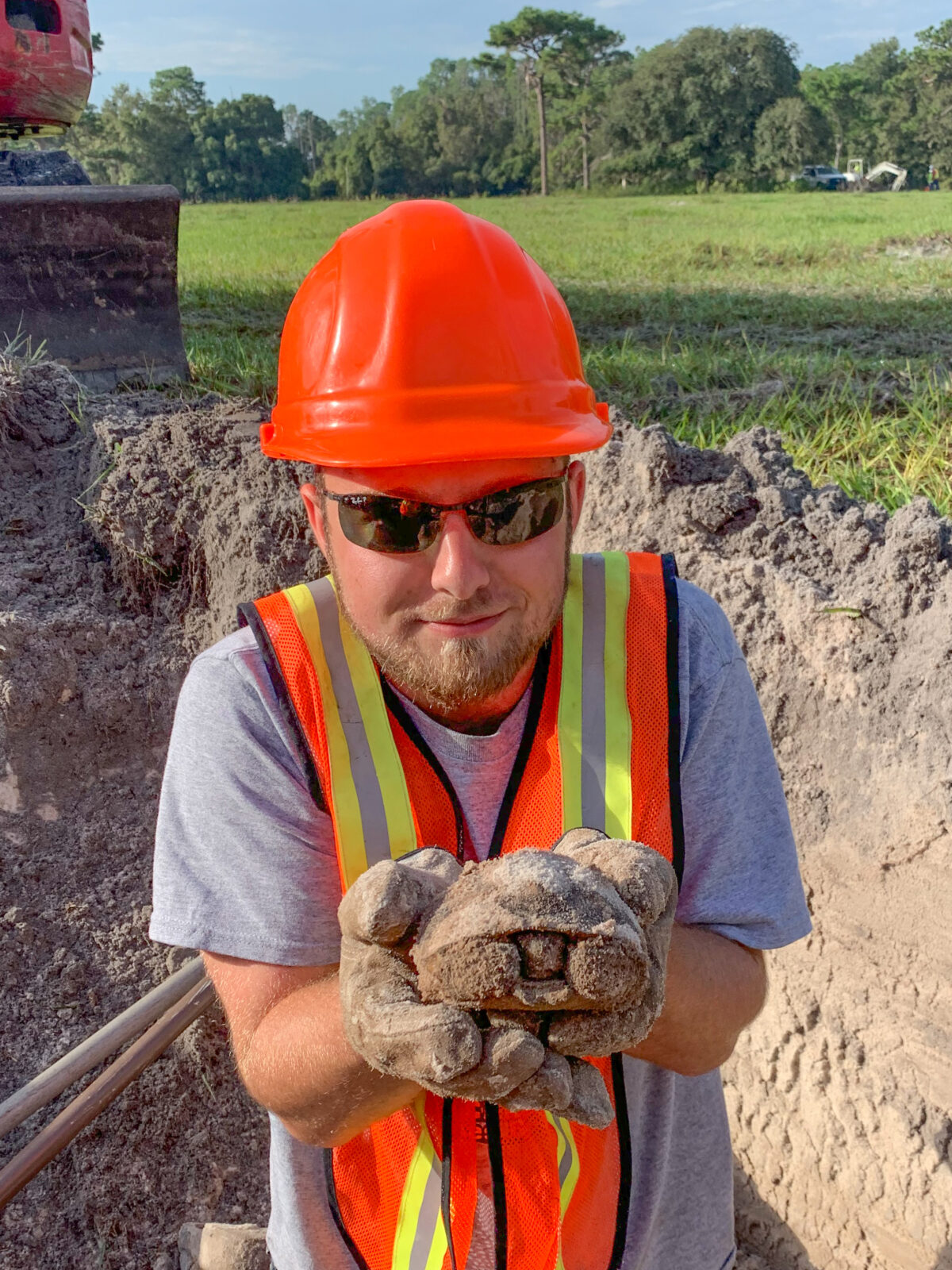
Left, top row: ESA biologists in the Southeast conduct a cavity peeping survey for potential bat or avian utilization, skink coverboard survey training. Left, bottom row: Skink tracks are recorded in the terrain, Aviation Planner Joseph Halinsky handles a gopher tortoise during a cross training with biologists for tortoise excavation and relocation.
With all this projected growth within the region, says Southeast Biological Resources Director Chris Warn, project proponents are in great demand of specialists that can guide them through compliance for state and federally protected species, like the gopher tortoise, Florida bonneted bat, sand and blue-tailed mole skinks, Florida scrub jay, eastern black rail, bald eagle, and Audubon’s crested caracara.
Twenty-nine professionals—more than half of ESA’s Southeast biological resources team—are qualified protected species experts. Chris attributes that to ESA’s robust internship program and the many professional development opportunities led every year to educate staff on methods such as bat and avian acoustic surveys, cavity peeping surveys, gopher tortoise burrow surveys and relocation activities, imperiled beach-nesting birds surveys, sand and blue-tailed mole skink coverboard surveys, and bald eagle nest monitoring.
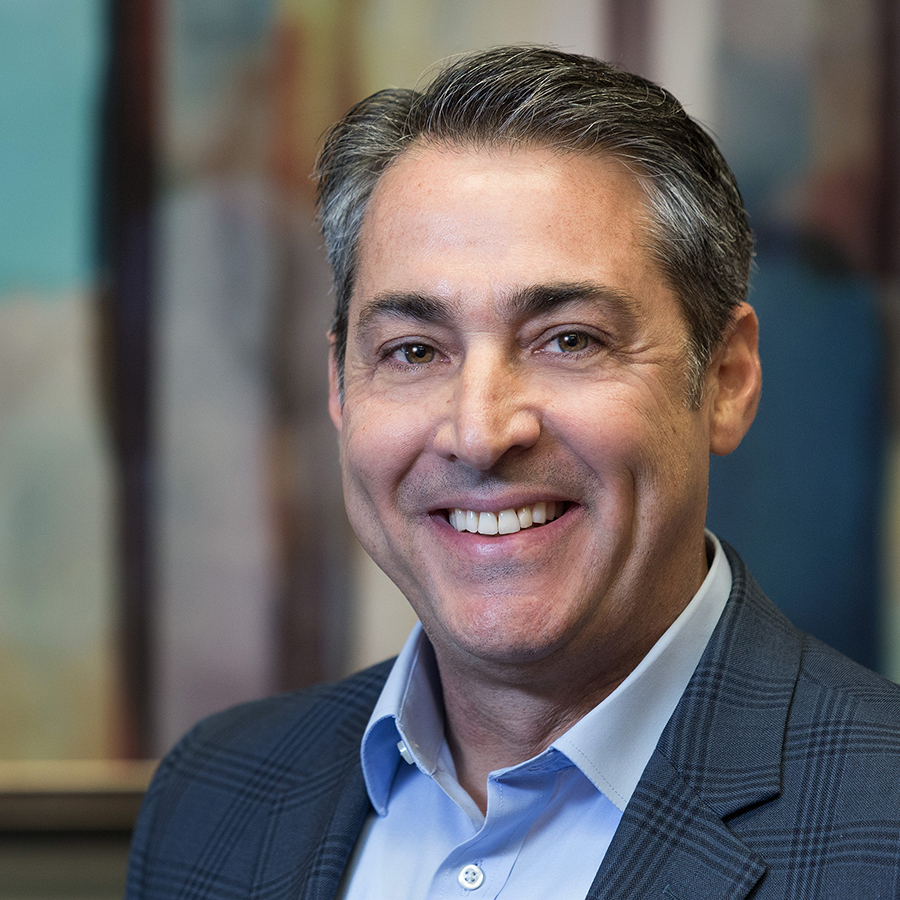
“It’s really unique that ESA has such a big workforce. We have quite a diverse group of biologists and ecologists who are passionate about working with these rare species—whether that’s assisting with emergency beach recovery efforts following a hurricane, or engineering creative ways to relocate bats from a bridge slated for reconstruction,”
Chris Warn, Southeast Biological Resources Director
“And this work doesn’t just involve biologists,” says Warn. “It also includes ESA’s engineers and permitting experts because we have to consider the whole ecosystem and find environmental solutions that benefit species, their habitats, and our built environment holistically.”
Building Specialized Expertise
In addition to securing project qualifications, biologists are also working toward enhancing their professional wildlife certifications.
In California’s Inyo County, the U.S. Fish and Wildlife Service (USFWS) Desert Tortoise Recovery Office, in partnership with the Bureau of Land Management and U.S. Geological Survey, has been studying populations of Mojave desert tortoises where U.S. Highway 395 bisects their historic habitat.
USFWS recently led a large survey to assess tortoise presence and collect genetic samples to study the demographics, health status, reproduction, and other characteristics of the fragmented population.
Biologist and Field Operations Team Lead Tamara Bryant, who is one of 24 ESA biologists experienced in desert tortoise surveys, volunteered with the effort to gain more experience handling the species as she works toward becoming an Authorized Biologist.
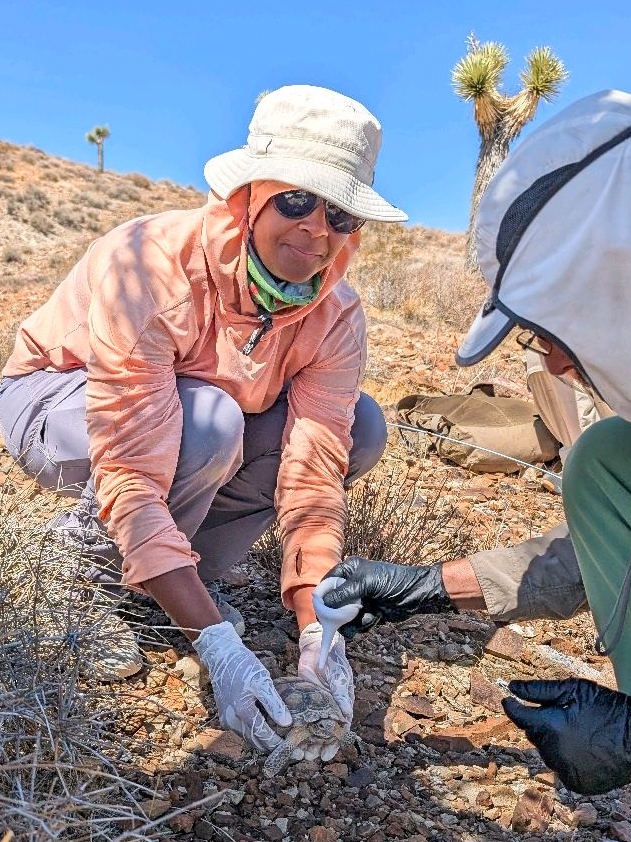
Bryant gained key experiences such as learning how to spot successful reproduction indicators, assessing tortoise age and disease, weighing and measuring, building artificial burrows, and learning the latest environmental compliance requirements.
These skills are critical to understanding the potential impacts that burgeoning renewable energy, urban development, and digital infrastructure projects being proposed throughout the Southwest may have on tortoises and other desert species. As Bryant notes, Mojave desert tortoise populations have declined by as much as 85–95 percent and are listed as threatened by the USFWS and endangered by the California Endangered Species Act
“It’s so important that we stay aware of these species’ needs as we are continuing to develop in the desert,” she says. “Tortoises are being displaced as we keep encroaching into their habitat, and we need to help them survive.”
Watch Out for Snakes
When working out in the field, it’s also imperative for field crews to undergo safety training to better understand the behaviors and risks that animals pose and implement proper safety measures, notes biologist and project manager LeChi Huynh.
For the past decade, Huynh has managed biologist crews working on California’s High Speed Rail projects. The High Speed Rail Program’s Construction Package 2–3 Project spans over 60 miles in the Central Valley south of Fresno and crosses through grasslands, foothills, and riparian corridors—all prime habitats for venomous rattlesnakes.
On any given day, hundreds of construction personnel work across multiple construction sites, including up to 50 biologists from ESA, prime contractor Dragados Flatiron Joint Venture (DFJV), and multiple subcontractors. As temperatures have begun to warm up, rattlesnake observations and encounters have increased.
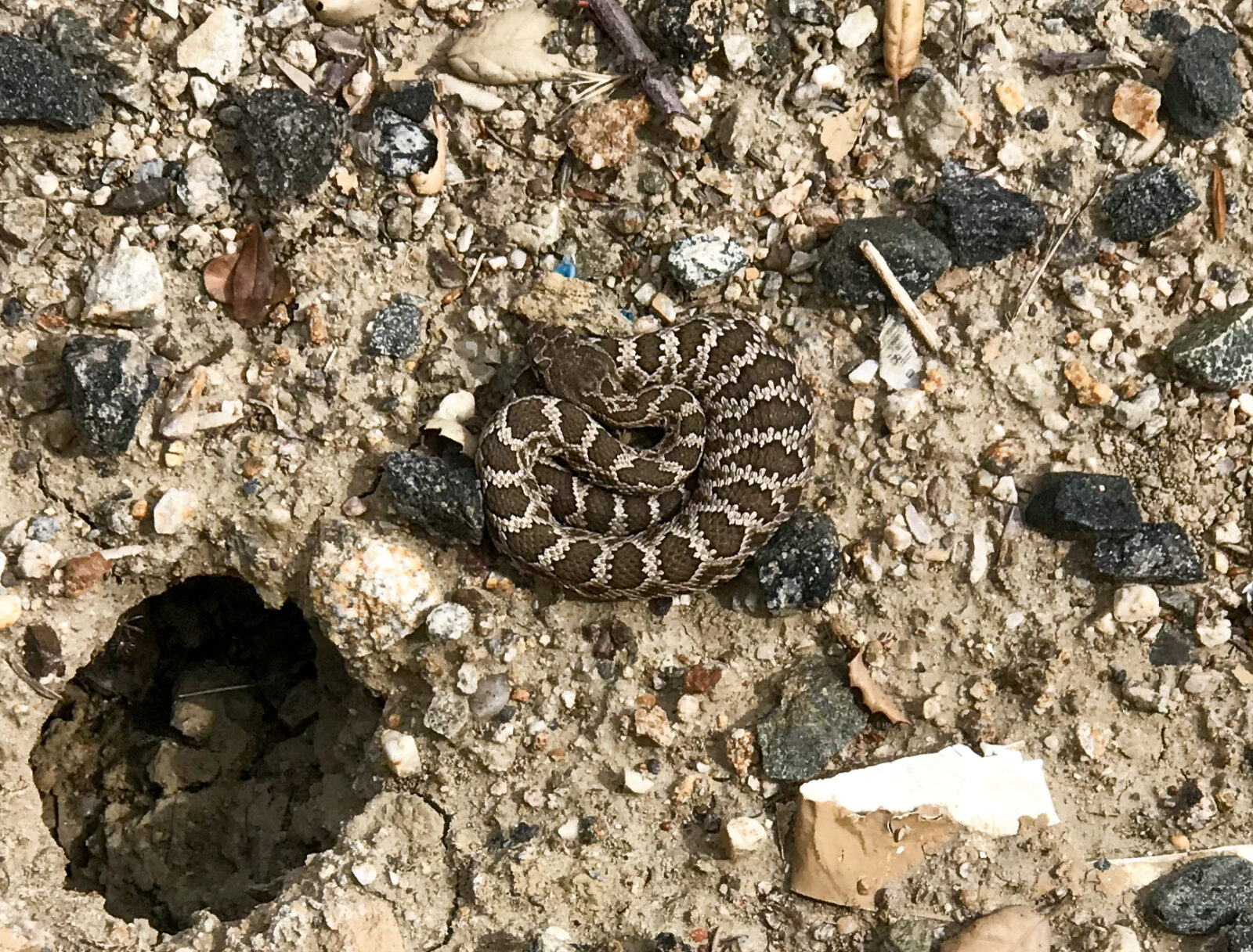
This April, close to a dozen ESA biologists attended a DFJV-funded rattlesnake preparedness workshop led by subcontractor Fraser Biological, which taught attendees the use of appropriate gear and equipment to relocate rattlesnakes, incident reporting, and communication protocol for when rattlesnakes are spotted and must be handled by specialists.
“Making sure our compliance monitors are trained to safely move snakes out of harm’s way reduces wildlife mortality and reduces potential risks to our teams working in partnership with contractors,” notes Calantas.
“Field safety is a concern not only to our client, but is a big part of our safety culture at ESA, so it’s really important to attend these types of training opportunities,” says Huynh.

“With such a monumental project, and so many personnel working across different sites at any given time, reinforcing proper safety methods and communications protocols keeps our biologists prepared and able to work safely without project interruptions.”
LeChi Huynh, Biologist and Project Manager
Your Partner in Biological Resources Management
With more than 75 qualified wildlife biologists on staff, as well as staff who hold Section 10(a) and scientific collection permits for a number of listed species, ESA’s Biological Resources and Land Management team can assist with a variety of project environmental compliance needs involving special-status wildlife species.
For more information about how we can assist with the conservation, protection, and sustainability of natural resources, reach out to Barbra Calantas.