
The current Nationwide Permits expire on March 14, 2026.
In June 2025, the U.S. Army Corps of Engineers (USACE or Corps) proposed changes to renew existing Nationwide Permits (NWPs), which our ESA permitting specialists summarized, including the key changes. Specifically, USACE proposed to renew and revise all but one of the 57 existing NWPs, not to reissue one NWP authorizing activities associated with fish aquaculture (NWP 56), and to issue one new NWP facilitating fish passage (NWP A).
Five NWPs had notable modifications between the proposed and final versions, which are summarized in the following table.
| Nationwide Permit Name | Proposed Change (June 2025) | Final (March 2026) |
| Aquatic Ecosystem Restoration, Enhancement, and Establishment Activities (NWP 27) | A series of changes to make this NWP more efficient, more effective, and less costly for qualified voluntary aquatic ecosystem restoration activities by adding additional flexibility and removing some process requirements. | Authorized with revisions adding clarity on when conversion of tidal wetlands is authorized and reporting requirements. |
| Living Shorelines (NWP 54) | Clarified allowable features and materials that could be used for living shoreline projects. | Added language stating temporary activities are also included. |
| Activities to Improve Passage of Fish and Other Aquatic Organisms (proposed as NWP A, now NWP 60) | Proposed to facilitate fish passage, including nature-based solutions with a 1-acre limit. | Authorized with revisions to the proposed text. |
| Commercial and Institutional Developments (NWP 39) | No substantive proposed changes, issue with existing terms. | Now explicitly includes data centers. |
| Utility Line Activities for Water and Other Substances (that cross navigable waters) (NWP 58) | Added language to clarify when authorization under Section 10 of the Rivers and Harbors Act is necessary. | Clarified the final 2026 version of NWP 58 to explain that utility lines crossing navigable waters do not always require USACE approval in cases where the U.S. Coast Guard must approve the crossing under Section 9 of the Rivers and Harbors Act. |
A summary of the changes from the proposed version along with potential implications to applicable projects is provided below.
NWP 27 – Aquatic Ecosystem Restoration, Enhancement, and Establishment Activities
What’s changed?
USACE proposed a series of changes to make this NWP more efficient, more effective, and less costly for qualified voluntary aquatic ecosystem restoration activities by adding additional flexibility and removing some process requirements. Two differences between proposed and final are additional clarity on when conversion of tidal wetlands is authorized and reporting requirements.
The underlined text below shows the new added language clarifying that NWP 27 can authorize conversion of tidal wetlands if the purpose is to enhance tidal wetland function. USACE states:
- “This NWP does not authorize: (1) dam removal activities; (2) stream channelization activities; and (3) the conversion of tidal wetlands to open water impoundments and other aquatic uses unless the conversion is solely for the purpose of enhancing the functions of tidal wetlands.“
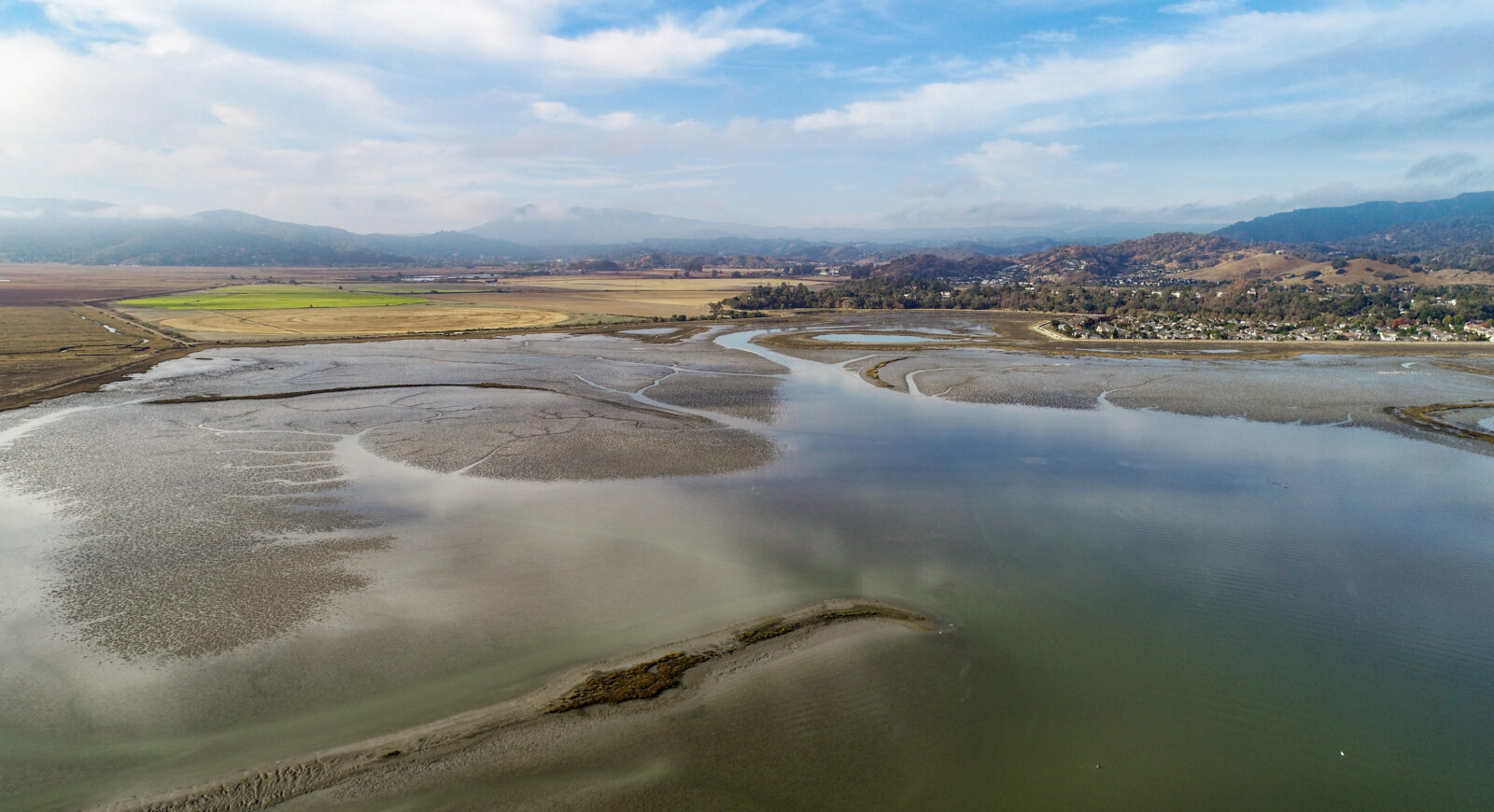
According to the 2026 NWPs discussion of the public comments section, many commenters on the proposed version for NWP 27 supported the removal of the prohibition on habitat conversion. In the restoration community, this has long been interpreted as an overly restrictive requirement making many restoration projects ineligible for NWP 27 and therefore triggering the need to obtain a more onerous standard individual permit from USACE. This restriction was especially problematic for tidal restoration projects, which sometimes require converting tidal habitat types to non-tidal to meet design objectives (e.g., installing an ecotone slope to accommodate sea level rise and provide upland refugia for listed species).
In its 2026 NWPs discussion of public comments, USACE went on to clarify that:
- “Changes in wetland plant communities that occur when wetland hydrology is more fully restored during wetland rehabilitation activities are not considered a conversion to another aquatic habitat type. Changes in plant communities resulting from restoring wetland hydrology are still acceptable under this NWP provided the resulting aquatic habitat type resembles an ecological reference.“
USACE also stated:
- “The Corps is modifying the statement that this NWP does not authorize conversions of tidal wetlands to open water impoundments or other aquatic uses, to clarify that such conversions may be authorized if the conversion is solely for the purpose of enhancing the functions of tidal wetlands. The objective of the restoration, enhancement, or establishment activities authorized by this NWP is to provide a net increase in aquatic resource functions and services and this modification allows the district engineer the flexibility to authorize activities that will result in a wider variety of tidal habitats, including other types of special aquatic sites.“
Another change between proposed and final for NWP 27 is some additional clarification regarding that reporting requirements must provide objectives with a description of how the objectives will be met, which is shown in the underlined text below:
- “The report must include the following information: (5) The objectives of the proposed aquatic ecosystem restoration, enhancement, or establishment activity and a description of the techniques or mechanisms that are proposed to be used to increase aquatic ecosystem functions and services on the project site, to meet the objectives.“
In the 2026 NWPs discussion of public comments section, USACE explains it added the requirement for restoration proponents (permit applicants) to provide objectives. These objectives enable USACE to better assess whether there will be a net increase in aquatic resource functions and services, and the associated report should describe the methods for achieving those objectives.
Key Takeaways
ESA expects this subtle change for clarifying allowance of tidal habitat conversion will substantially increase the applicability of NWP 27 for many tidal restoration projects, making it a more efficient permitting pathway to obtain USACE approvals, lowering compliance costs, and shortening the permitting phase, especially when used in tandem with other restoration-based programmatic permits that are increasingly available.
Although adding more information on objectives is a new reporting requirement for NWP 27, most restoration proponents already establish objectives as part of their restoration-planning process. Therefore, we believe most NWP 27 reporting for our clients and projects won’t be substantially affected by this change.
NWP 54 – Living Shorelines
What’s changed?
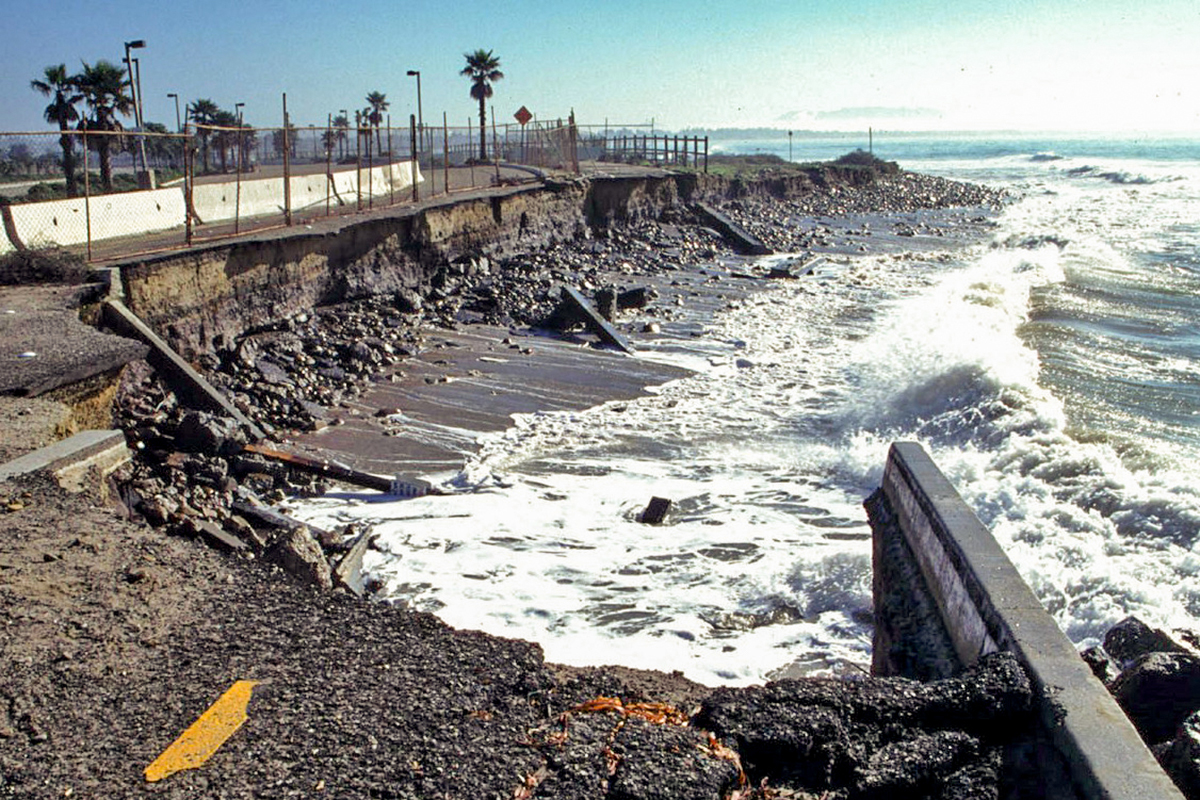
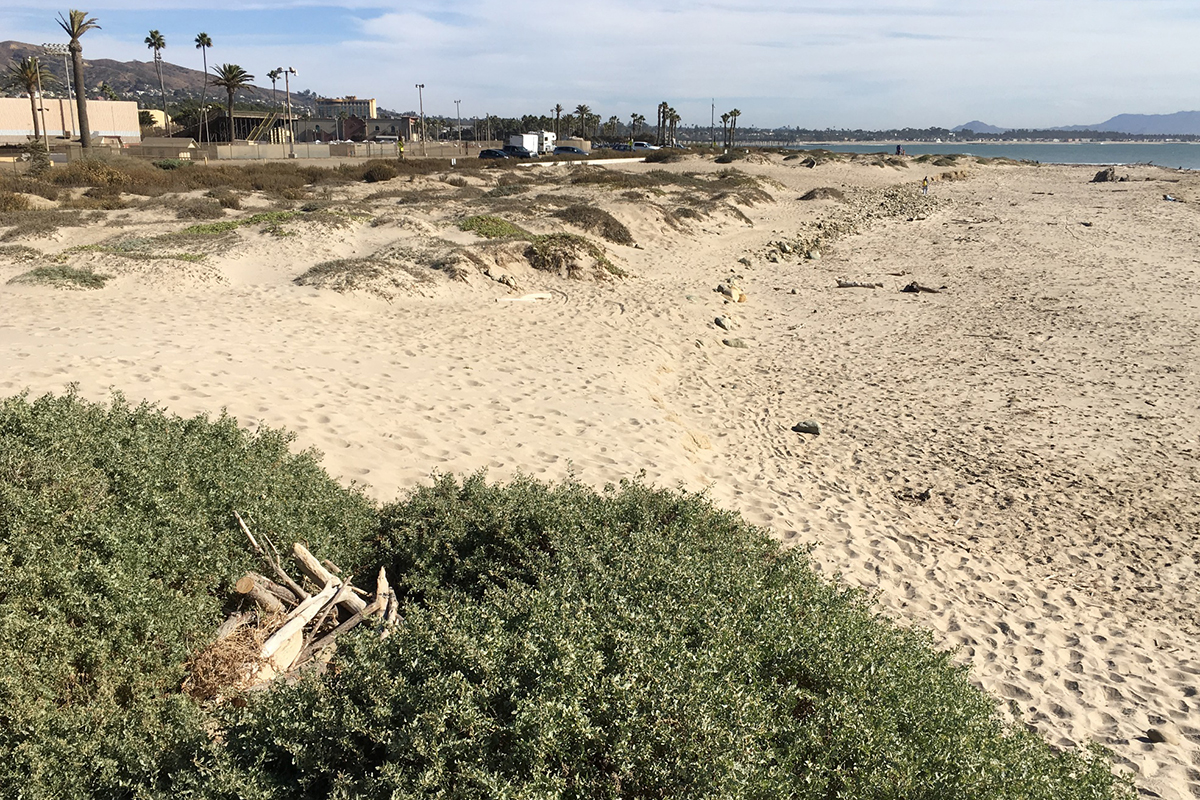
Proposed changes to NWP 54 clarified allowable features and materials that could be used for living shoreline projects. In the final version, USACE added language stating temporary activities are also included in NWP 54. For living shoreline practitioners, this new language will bring added clarity to the use of NWP 54. USACE states:
- “This NWP also authorizes temporary structures, fills, and work, including the use of temporary mats, necessary to construct the living shoreline activity. Appropriate measures must be taken to maintain high flows, tidal flows or seiches, when temporary structures, work, and discharges of dredged or fill material, including cofferdams, are necessary for construction activities, access fills, or dewatering of construction sites. Temporary fills must consist of materials, and be placed in a manner, that will not be eroded by expected high flows, tidal flows or seiches. After construction, temporary fills must be removed in their entirety and the affected areas returned to pre-construction elevations. The areas affected by temporary fills must be revegetated, as appropriate.“
Key Takeaways
The additional detail of adding temporary structures acknowledges the likelihood that these types of structures are needed for constructing living shorelines. This change would reduce the need for separate authorizations to cover these type of activities needed for living shoreline projects, enabling more efficient permitting by allowing coverage under NWP 54.
NWP 60 – Activities to Improve Passage of Fish and Other Aquatic Organisms
What’s Changed?
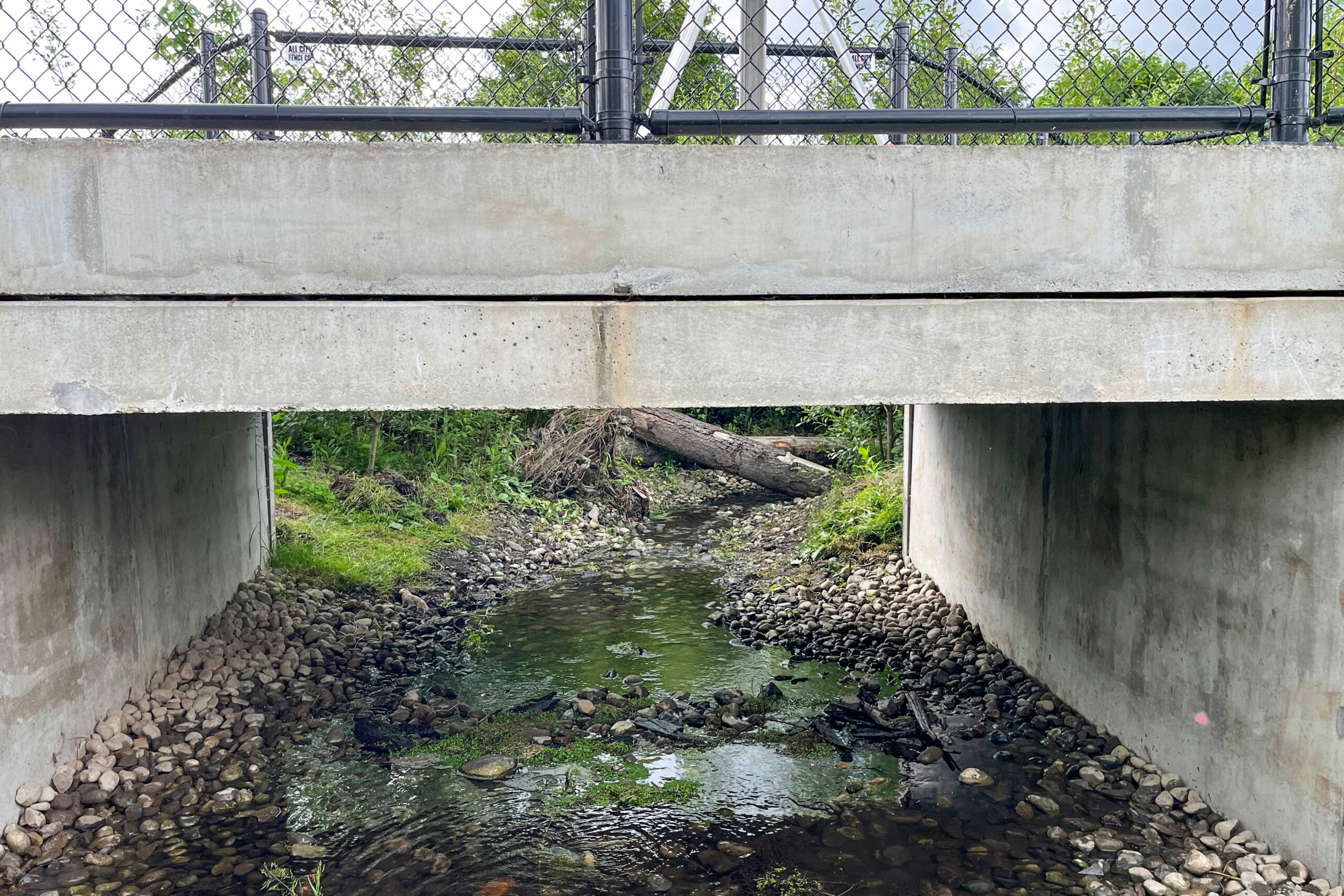
The newly proposed NWP A, now NWP 60, was revised in multiple places as shown in the underlined (added) and deleted (strikeout) text:
- “Discharges of dredged or fill material into waters of the United States and structures and work in navigable waters of the United States for activities that restore or enhance the ability of fish and other aquatic organisms to move through aquatic ecosystems. Examples of activities that may be authorized by this NWP include, but are not limited to: the construction, maintenance, modification, or expansion of conventional/technical and nature- like fishways; the construction, maintenance, modification, or expansion of fish bypass channels around existing in-stream structures; the replacement of existing structures (e.g., culverts
or, low- water crossings) withculvertsstructures planned, designed, and constructed to restore or enhance passage of fish and other aquatic organisms; the installation of fish screensto prevent fishand other devices to minimize entrainment and entrapment of fish and other aquatic organismsfrom being trapped or strandedin irrigation ditches and other features;the modification of existing in- stream structures, such as dams or weirs, devices toimprove the ability ofguide fish and other aquatic organismsto move past those structuresthrough passage features; fish lifts and fish by-pass pipes; the modification of existing in-stream structures, such as dams or weirs, to improve the ability of fish and other aquatic organisms to move past those structures.
The activity must not cause the loss of greater than one acre of waters of the United States.
- This NWP does not authorize dam removal activities. This NWP also does not authorize the construction or installation of new culverts at crossings of waterbodies where there are not existing culverts.“
Key Takeaways
This new NWP has been long sought by those looking to improve the aquatic environment through the installation of fish screens or the modification of barriers, and should provide those projects with new, streamlined pathways to accelerate permitting. As explained in the 2026 NWPs discussion of the public comments section, USACE changed “culverts” to “structures” to emphasize the flexibility this NWP provides to authorize various fish passage designs. Another clarification in the final language for NWP 60 is that this NWP cannot approve construction of new culverts where none currently exist. Fish passage projects requiring this activity would need to obtain USACE approval using another USACE permit, such as NWP 14 for Linear Transportation Projects.
NWP 39 – Commercial and Institutional Developments
What’s changed?
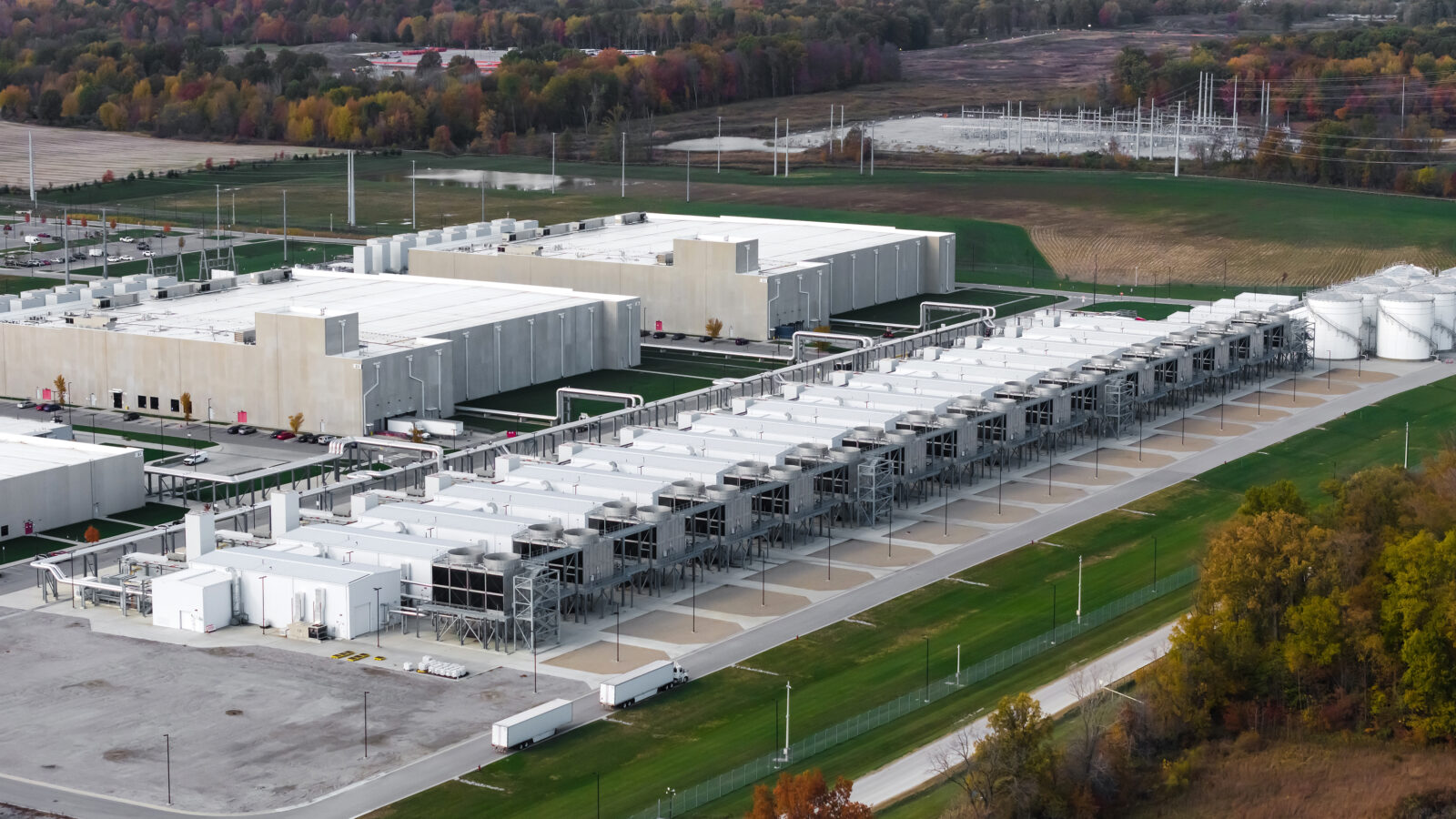
No substantive modifications were proposed to NWP 39, which was proposed to be reissued with its existing terms. However, the final 2026 NWP 39 included additional examples of commercial developments—shown in the underlined text—while noting these examples are not meant to be exhaustive:
- “Examples of commercial developments include retail stores, industrial facilities, storage facilities, restaurants, business parks, data centers (to include for example, artificial intelligence and machine learning facilities), pharmaceutical manufacturing facilities, and shopping centers.”
Key Takeaways
For data center project proponents, it should be noted that inclusion of data centers as an example certainly removes any ambiguity about the applicability of NWP 39 to these types of projects during a time when their development has been encouraged, consistent with a number of recent federal policy actions by the Trump Administration accelerating AI deployment (see previous ESA article).
NWP 58 – Utility Line Activities for Water and Other Substances
What’s Changed?
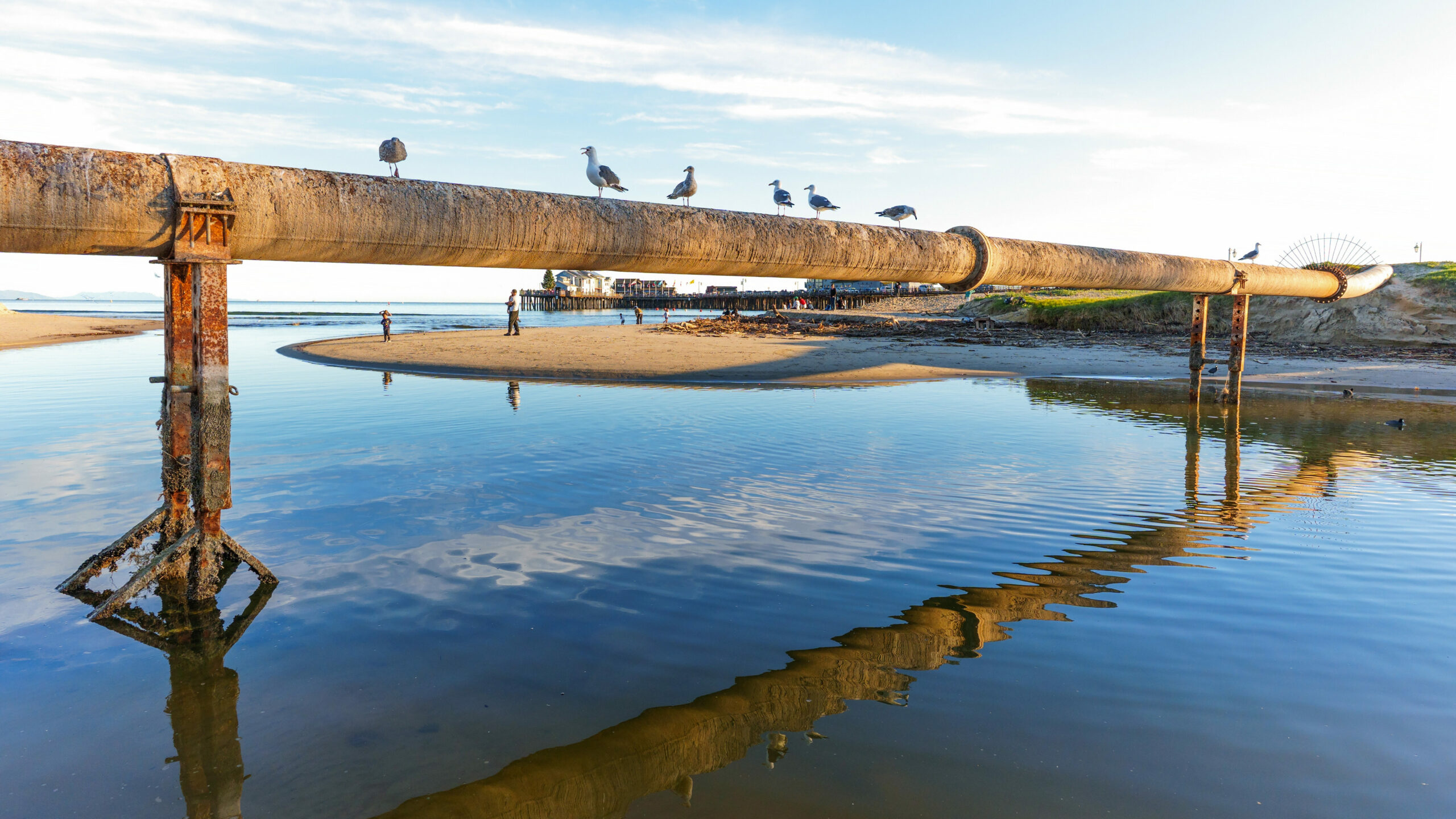
One substantive change between what was proposed for NWP 58 and the final version is the addition of clarifying language to correct an inconsistency regarding what activities require authorization under Section 10 of the Rivers and Harbors Act. USACE added a clarification to the final 2026 version of NWP 58 to explain that utility lines crossing navigable waters do not always require USACE approval in cases where the U.S. Coast Guard (USCG) must approve the crossing under Section 10 of the Rivers and Harbors Act. USACE states:
- “Overhead utility lines constructed over section 10 waters and utility lines that are routed in or under section 10 waters without a discharge of dredged or fill material may require a section 10 permit.“
In the 2026 NWPs discussion of public comments section, USACE explains:
- “Pipelines over navigable waters of the United States are bridges and may require a permit from the USCG.“
Key Takeaways
This change was included so that it is clear these types of activities may require a Section 10 Rivers and Harbors Act permit, unless they are permitted by USCG under its Section 9 authority. Proponents of utility projects crossing over navigable projects should always coordinate with both USACE and USCG to confirm the appropriate permitting pathway.
Stay in Touch
Our federal permitting and regulatory experts are at the forefront of tracking environmental developments in this time of rapid change. ESA monitors agency announcements, Federal Register notices, and related litigation, and we’re dedicated to making that information available to you through our on our website.
If you have questions about how to leverage these NWPs for your projects or want to know more about additional strategies to streamline project permitting, please reach out to Dan Swenson, ESA’s Senior Principal Permitting Specialist.
Author

Senior Principal Permitting Specialist
Date
March 4, 2026