
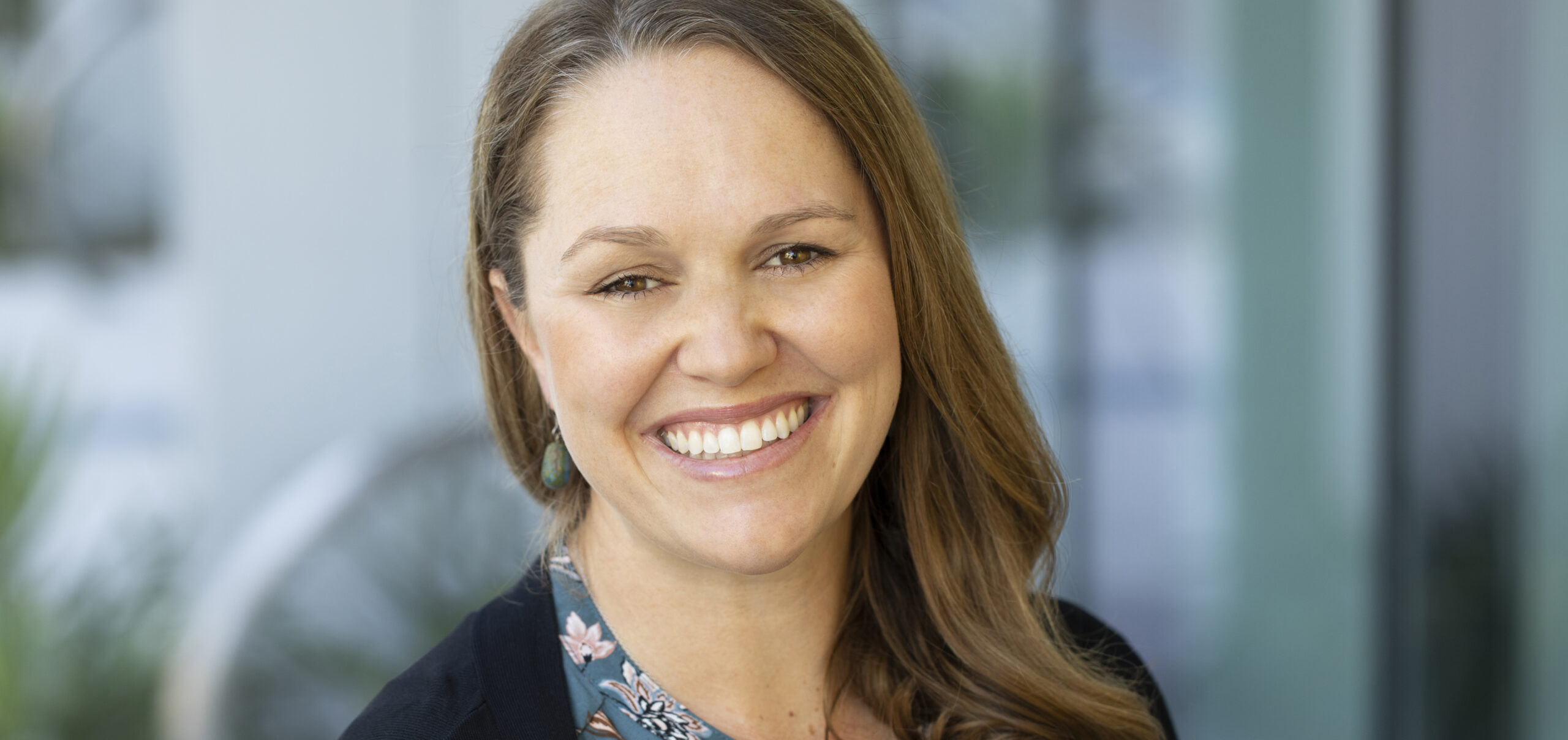
Melanie DuBoce brings more than seven years of environmental education experience and a strong foundation in fisheries research, shaped by her work with agencies like the California Department of Fish & Wildlife. Passionate about fisheries, benthic macroinvertebrates, and vernal pool ecology, she enjoys the mix of fieldwork and analysis these specialties require. She’s built a versatile skill set spanning environmental compliance, vernal pool and nesting bird surveys, water-quality assessments, boat-based fieldwork, electrofishing, and project coordination.
What is your favorite ESA moment/memory so far?
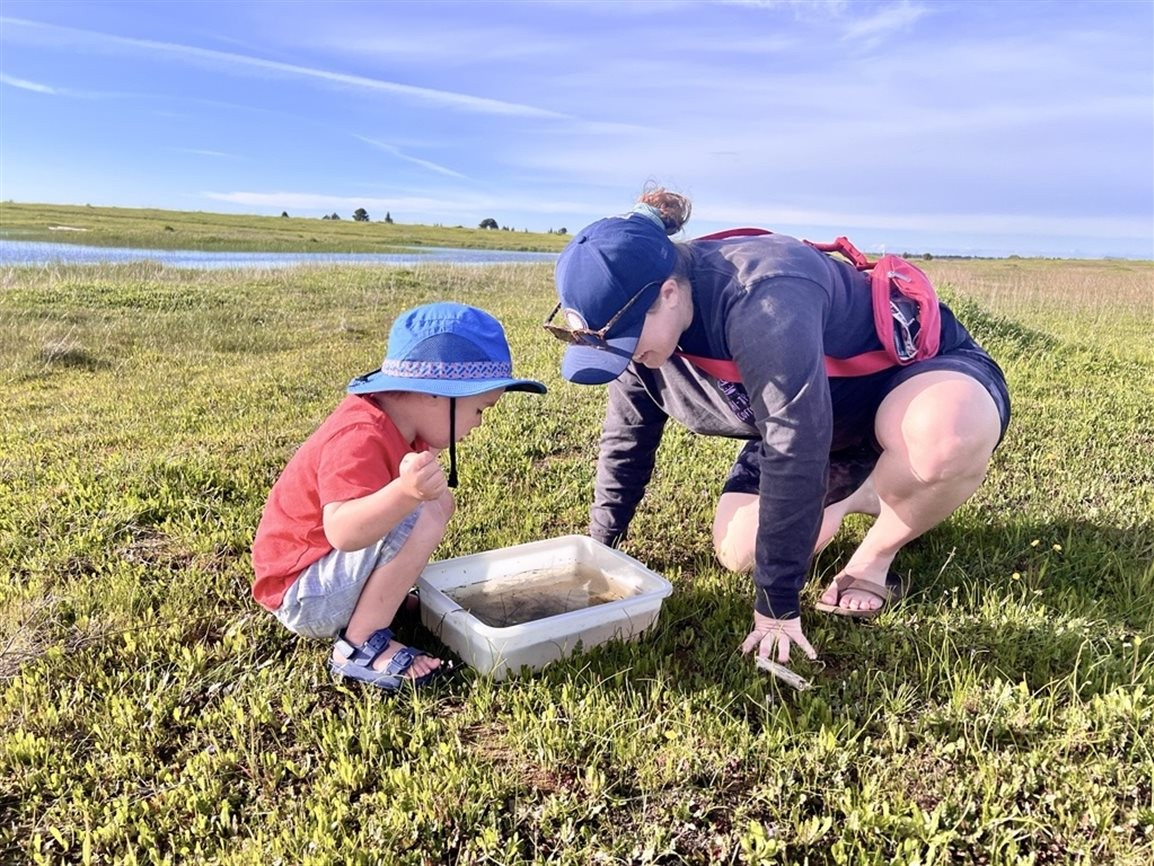
There have been so many great moments! My favorites usually involve being on or in the water—and my role here at ESA gives me plenty of those opportunities. From wading through creeks filled with critter surprises at every bend, to pulling up hoop nets filled to the brim with catfish, to boating along the McCloud River at sunset when the bats start to emerge, to dip-netting for fairy shrimp in giant playa vernal pools spanning the grassland, to cruising the hidden corners of the Delta in search for sunken vessels. I could really go on and on.
What does it mean to you to be part of an employee-owned company?
We’ve all got a stake in our company’s success! When we all bring our best to our work, we all win. I feel like this helps foster a culture of responsibility and collaboration.
What keeps you coming to work here at ESA every day?
The work and the people. On the work side, I love the seasonality—it keeps things interesting. I consider myself a lifelong learner, and each new project brings fresh roles and experiences. I think this has helped me become a more well-rounded biologist. On the people side, we have an incredible team of biologists here. Much of our fieldwork requires collaboration and trust, and this team consistently delivers. They’re not only fun and caring but also highly knowledgeable and competent. I’m continually impressed by the talent at ESA.
What is your hidden or special talent(s)?
I’m experienced with a variety of transportation methods—I have a motorcycle license, can drive manual transmission, and know how to trailer and operate a boat. I’d be a great addition to your zombie apocalypse team!
What’s your favorite thing to do when you are out of the office?
I have small children and a dog, so keeping it local is easiest these days. Our free time is usually spent on the American River Parkway. We love Effie Yeaw Nature Center, Soil Born Farms and the vernal pools out in Mather.
If you had one free hour each day, how would you use it?
Perusing the local thrift shops.
What are three skills that you bring to the ESA team? In other words, what should colleagues know to reach out to you about?
- Anything vernal pools! Work related or personal. I am 10(a)1(A) permitted to survey for listed large branchiopods.
- I love working with people and making things run smoothly! If you ever need a hand with project coordination or scheduling, I’d be happy to help.
- I work on the Fisheries and Aquatics team, but my background as a naturalist gives me broad experience and knowledge of local terrestrial species too.
Describe your role at ESA and the type of work you do.
I am a Biologist on the Fisheries and Aquatic Science team and often do work with the Biological Resources and Land Management team. I have primarily worked on fish-centric studies in the Sacramento-San Joaquin River Delta, where most work was conducted by boats. My field experience also includes nesting bird, fairy shrimp, and pre-construction surveys. Over the past few years, my role has shifted from primarily field-based to office-based responsibilities. I have served as a deputy project manager – interacting with clients, field deployment scheduling, and team communications. Additionally, I have led special-status species tracking for the California High Speed Train project, helping with managing nesting bird status updates, reporting, and ensuring compliance with permit requirements. I am excited to see what new opportunities the new seasons will bring.
What’s been your favorite project to work on here at ESA and what impact did it have on the community and/or environment?
I served as Deputy Project Manager for the Juvenile Salmonid Collection System, part of an ongoing effort to reintroduce winter-run Chinook salmon to their historic natal waters in the McCloud River (Winnemem Waywaket). This project is a collaboration between the Winnemem Wintu Tribe and state and federal partners.
Participating in this study was incredibly rewarding—not only for its contribution to species survival, but also for its cultural significance to local tribal communities. For the Winnemem Wintu, these salmon are considered their relatives, so hearing their stories, knowledge, and working alongside them was an honor.
Above-dam salmon reintroduction is a highly debated topic, and contributing to research on this issue was both enlightening and inspiring.